


Key Takeaways
- Matter-enabled devices offer universal compatibility across various smart home platforms, enhancing functionality.
- A Matter hub simplifies device management, allowing control of multiple devices from a central location.
- Choosing a Matter hub with a screen can improve usability for those new to smart home technology.
Streamlining Your Smart Home Setup
Setting up a smart home requires careful consideration to ensure that devices genuinely enhance daily life rather than collect dust. The variety of available smart home devices can be overwhelming. A strategic focus on Matter-enabled products, which support universal compatibility, is recommended for efficient setup.
Matter is an open-source connectivity standard that allows devices from different manufacturers to work collaboratively across well-known ecosystems like Google, Amazon, and Apple. This compatibility reduces reliance on a single platform and enhances security through local Wi-Fi or Ethernet connections.
Setting up Matter devices is user-friendly: scanning a QR code initiates the setup process, guiding users through configuration on their chosen smart home platform. To maximize this capability, integrating a Matter hub is advantageous. Matter hubs allow control of various devices seamlessly and support other protocols like Z-Wave and Zigbee, expanding connectivity beyond just Wi-Fi.
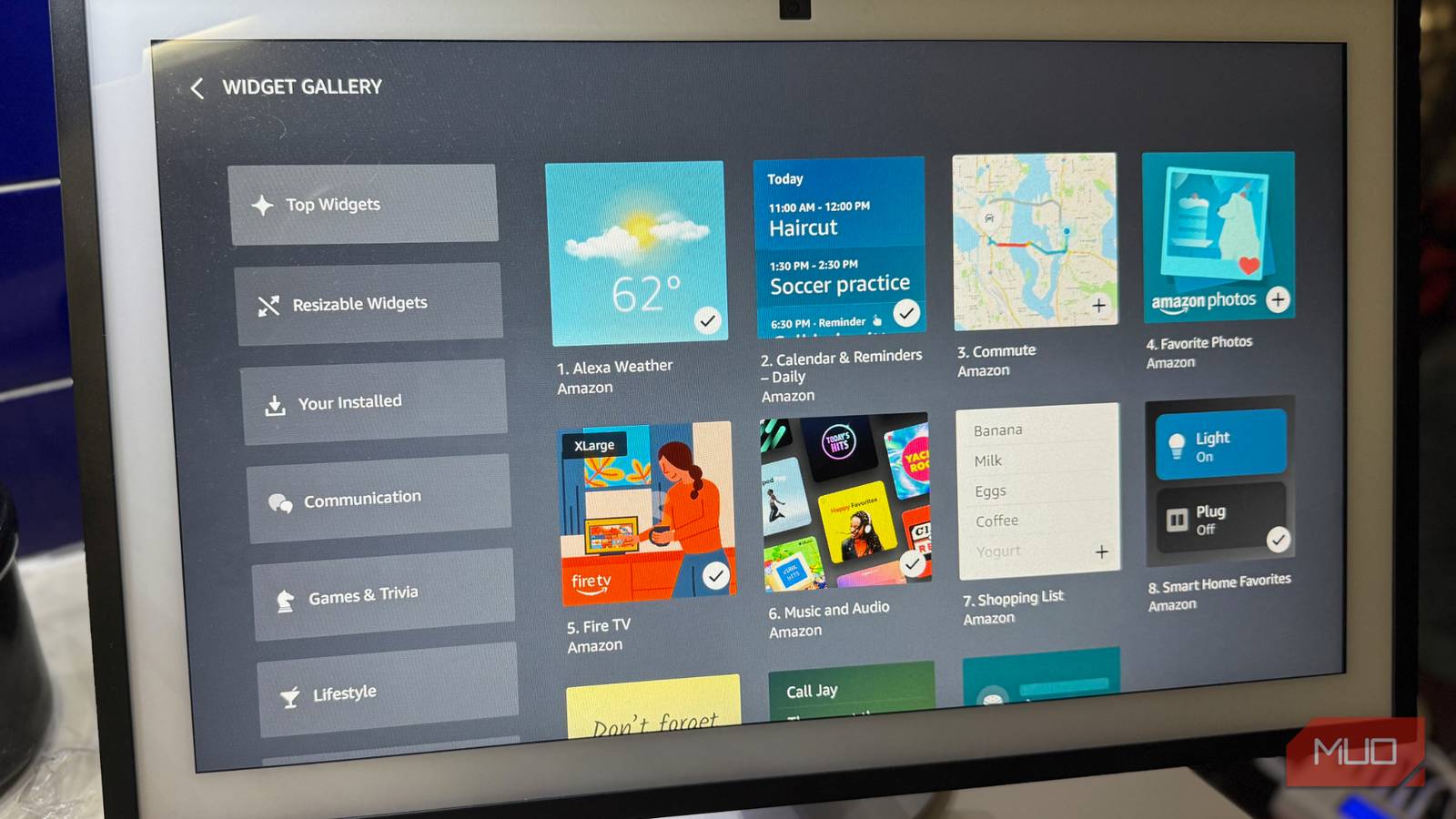
For those new to smart home technology, selecting the right Matter hub is crucial. Hubs with screens, such as Apple HomePods and Google Nest devices, offer easier navigation compared to app-only options. Voice commands can enhance access but often require initial setup through a mobile app.
Ultimately, adopting a Matter hub can significantly improve the functionality and management of smart home systems, providing flexibility and enhancing user experience by allowing diverse devices to work in harmony, regardless of manufacturer. This strategic move can be the key to achieving a well-connected smart home.
The content above is a summary. For more details, see the source article.









