


Key Takeaways
- The EU criticizes China and Russia for attempting to reshape the global order to align with their interests.
- A newly adopted position paper labels China as a key enabler of Russia’s war on Ukraine.
- The document describes both nations as principal powers challenging European security and the international order.
EU Accuses China and Russia of Threatening Global Stability
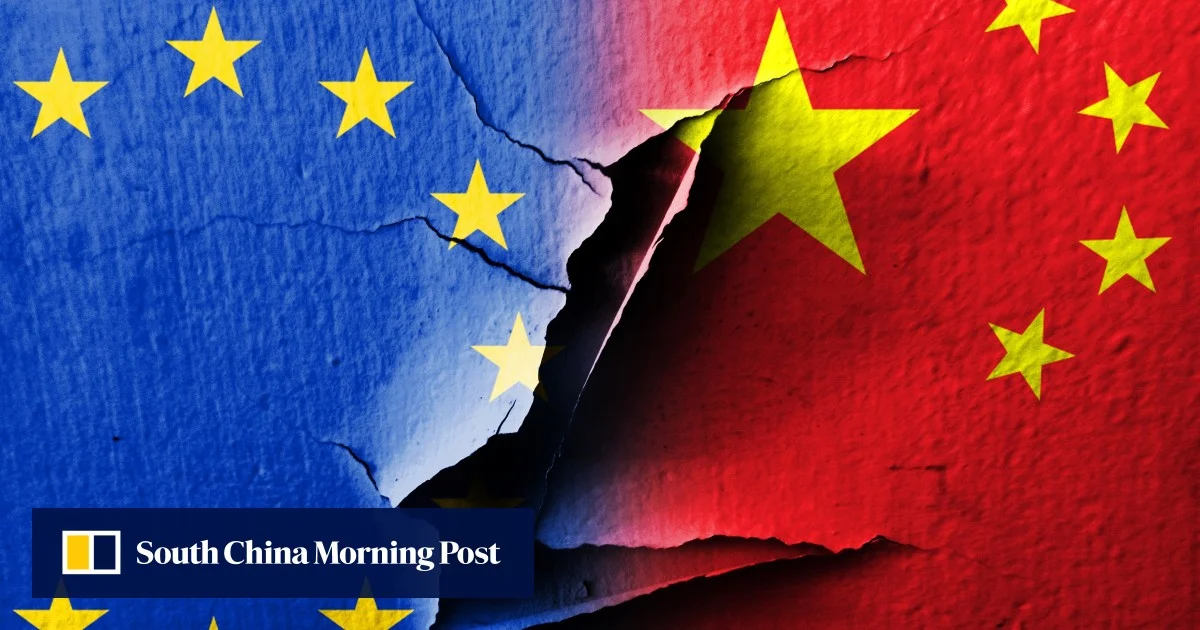
The European Union has issued a strong statement condemning China and Russia for their attempts to reshape the global order according to their own interests. In an unprecedented position paper, adopted by the EU’s 27 foreign ministers, the bloc describes both countries as fostering a sphere-of-influence mentality and a return to regional dominance. This development marks one of the EU’s most direct criticisms of Beijing to date.
The official document characterizes China as a significant contributor to Russia’s ongoing conflict in Ukraine. The phrase “key enabler” has been employed in NATO communications previously, underlining the severity of the EU’s stance. By positioning Russia and China as the primary revisionist powers, the EU emphasizes that they are undermining European security and questioning the rules-based international order.
The paper was crafted by the EU’s External Action Service, acting as guidance for the bloc’s forthcoming security strategy, expected later this year. This strategic pivot reflects growing concerns among EU leaders regarding the actions of these two nations, which are perceived as major threats to global stability.
In the midst of these tensions, a report from the Financial Times revealed that the EU permitted Ukraine to expend €6 billion of EU funds on drone components sourced from China. This decision highlights the complexity of EU-China relations and the balancing act between holding Beijing accountable for its actions and supporting Ukraine’s military needs.
As the EU prepares its security strategy, the implications of the position paper could reverberate throughout future diplomatic and economic policies, particularly concerning trade with China and responses to Russian aggression. The document signifies a pivotal moment in the EU’s approach to both Moscow and Beijing and underscores the bloc’s commitment to maintaining European integrity in the face of perceived intimidation from these powers.
The content above is a summary. For more details, see the source article.









