


Key Takeaways
- EU and U.S. agree to lift tariffs on various agricultural products, effective July 1.
- The new deal is expected to create billions in export opportunities for American farmers.
- The agreement marks a return to 0% tariffs on U.S. lobsters and includes a quota for tree nuts.
Trade Agreement Overview
The Council of the European Union and the European Parliament have approved new regulations that eliminate tariffs on U.S. agricultural products, including nuts, fruits, vegetables, and lobsters, effective July 1. Additionally, a tariff-rate quota has been established for 500,000 metric tons of tree nuts to enter the EU market. This move is part of a broader bilateral agreement that aims to enhance trade relations between the EU and the U.S.
Agriculture Secretary Brooke Rollins emphasized the significance of this agreement, calling it a “MAJOR win for American farmers.” She noted that the new deal will unveil billions in market access and export opportunities for farmers, ranchers, and food producers. Under the Biden administration, the agricultural trade deficit with the EU reached $23 billion, which accounts for nearly half of the United States’ total agricultural trade deficit. Projections indicate this deficit could reduce to $29 billion, following the new agreements.
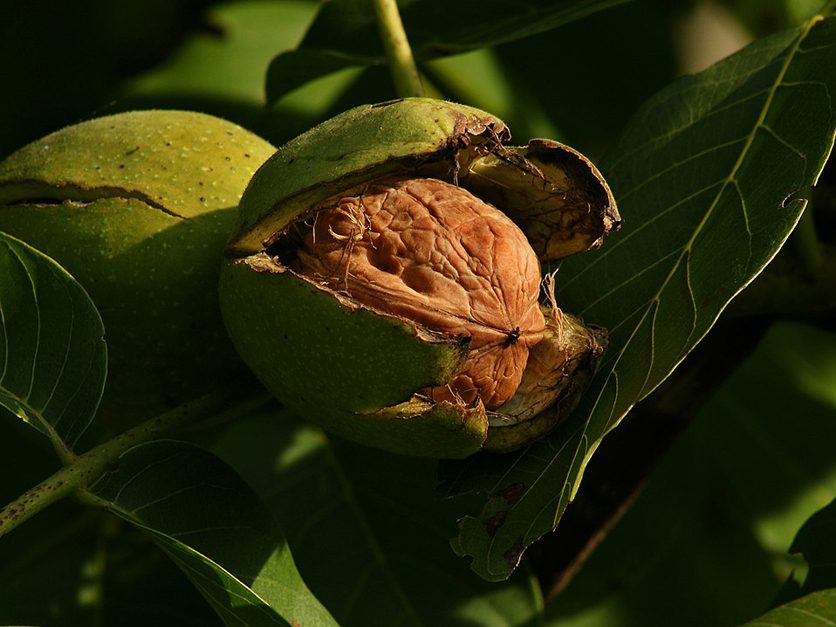
Michael Damianos, the Republic of Cyprus’ minister of energy, commerce, and industry, highlighted the integrated nature of the economic relationship between the EU and the U.S., affirming their status as reliable partners in global trade. U.S. commodity groups have praised the tariff removals, acknowledging particularly the impact on the walnut industry. The California Walnut Commission stated that the quota-based tariff reduction will grant easier access to a key market, which imports around 30% of global walnut supply, predominantly from California.
The National Fisheries Institute also welcomed the framework of the agreement. Lisa Wallenda Picard, NFI’s president and CEO, mentioned that expanded market access for U.S. seafood products, including lobsters, has been an essential aspect of their trade advocacy efforts. The return to a 0% tariff on U.S. lobsters signals a restoration of previous trading conditions; tariffs were first removed temporarily during the COVID-19 pandemic.
In addition to nuts and lobsters, the agreement also saw the removal of tariffs on various other agricultural products, such as dairy products, pork, bison meat, and seeds. This comprehensive trade deal marks a significant turnaround from tariffs previously imposed by the Trump administration. It was in April 2025 that a 20% tariff on EU imports was initiated, which later dropped to 15% following negotiations. Although the U.S. Supreme Court ultimately ruled against the authority for implementing certain tariffs, a global 10% tariff was reimposed under different provisions.
The recent agreement represents a crucial opportunity for U.S. agricultural exports, paving the way for better market access to European consumers and bolstering the profitability of American farmers, particularly in key export industries.
The content above is a summary. For more details, see the source article.









