


Key Takeaways
- The EU’s reliance on LNG perpetuates financial risks and geopolitical instability, maintaining dependency on fossil fuels.
- Ukraine’s investment in renewable energy sources offers a sustainable model for energy independence and resilience in Europe.
- Transitioning to a renewable-based energy system could yield significant economic and social benefits, potentially worth €1 trillion by 2030.
Energy Dependence vs. Renewable Solutions
Three years after the invasion of Ukraine highlighted Europe’s dependence on Russian gas, the European Union continues to grapple with high energy prices driven by reliance on liquefied natural gas (LNG). Instead of implementing necessary structural changes, EU politicians are opting for solutions that fall back on increased LNG imports from the United States or even resuming purchases from Russia. This reliance on LNG infrastructure, rather than embracing renewable alternatives, is seen as prolonging the economic threat of energy dependence.
Once marketed as a stable solution, LNG has become entangled in price volatility and geopolitical risk, adversely affecting European industries and households with soaring energy costs. Many businesses are recognizing the economic advantages of transitioning to cleaner energy sources, as the continuing reliance on fossil fuels poses both a moral and strategic dilemma, especially with rising imports of Russian LNG in 2024.
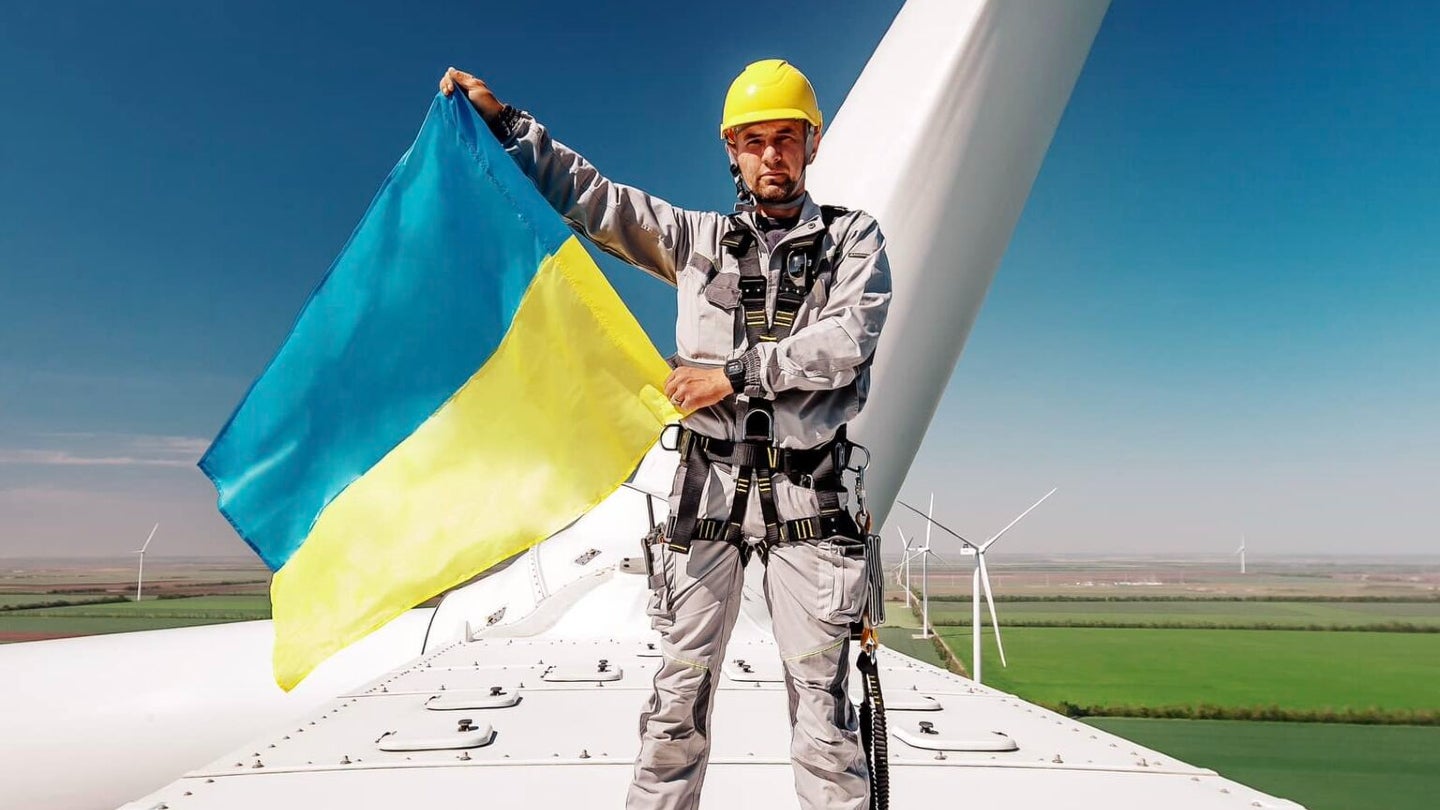
Despite the ongoing war, Ukraine is advancing in energy transformation, showcasing projects like DTEK’s Tyligulska Wind Power Plant as proof that decentralized renewable systems can provide stability. These initiatives demonstrate that Ukraine’s approach to energy independence, through small-scale solar and wind projects, is less vulnerable to conflict-related disruptions. Ukraine’s experience serves as a critical lesson for Europe, suggesting a move away from centralized fossil fuel reliance.
The EU’s current energy framework still leans heavily on external fossil gas supplies, with about 90% sourced from outside its borders. Although Norway and the US have emerged as major suppliers, this situation creates long-term financial risks and exacerbates the climate crisis. Much of the imported LNG is sourced from fracking operations, contrasting sharply with the EU’s climate objectives.
Moreover, the EU’s commitments to LNG are bleeding resources that could be invested in renewable energy. Governments have channeled €50 billion into older fossil fuel systems since 2015, perpetuating an unsustainable energy model when investments in renewables could mitigate costs and stimulate job creation.
As the EU prepares to reassess its energy policies, it stands at a pivotal juncture. The roadmap for phasing out Russian fossil fuels must be redefined to prioritize renewable energy and efficiency, essential for long-term economic stability and resilience. The opportunity exists for Europe to embrace a sustainable and cost-effective energy future free from reliance on autocratic regimes, illustrating a pathway toward enhanced energy security through renewables.
The content above is a summary. For more details, see the source article.









