

Key Takeaways
- Concerns are rising in Canada and Europe about purchasing U.S. military technology, especially the F-35 fighter, due to changing U.S. foreign policy.
- NATO members are reconsidering their reliance on American-made systems, eyeing European alternatives like the Saab Gripen and Eurofighter Typhoon.
- The U.S. has been accused of potentially embedding a “kill switch” in weapons like the F-35, raising fears over operational dependence on American support.
U.S. Defense Purchases Under Scrutiny
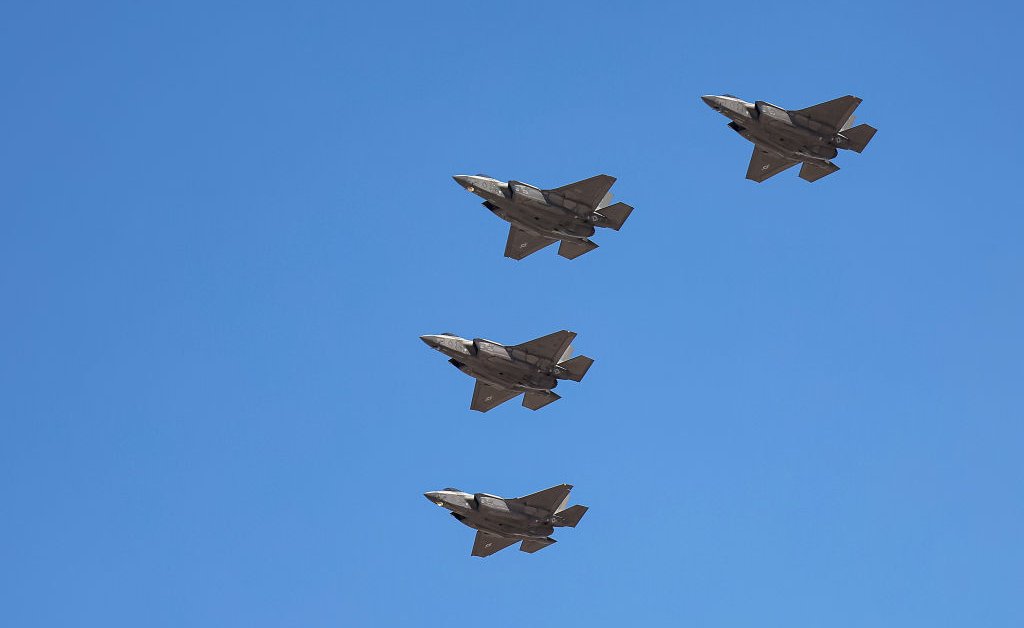
In light of recent shifts in U.S. foreign policy, there is growing skepticism among Canada and European NATO members regarding investments in high-end American military equipment, specifically the F-35 Joint Strike Fighter. This skepticism stems from U.S. President Donald Trump’s moves to reshape longstanding foreign relations and commitments to NATO, including a questioning of the U.S.’s willingness to defend its allies against threats, particularly from Russia.
Trump’s administration has indicated a reduced focus on European security, leading some NATO countries to reconsider their dependency on U.S. defense technology. As the conflict in Ukraine persists, it has become apparent that many Eastern European NATO members still possess outdated Soviet-era weaponry, prompting a push to transition to Western systems, notably the F-16 and potentially the F-35.
Countries like Canada are now evaluating their plans to acquire F-35s, with Prime Minister Mark Carney directing Defense Minister Bill Blair to explore alternatives amid a tense economic climate fueled by Trump’s trade policies. Similarly, Portugal’s defense officials have expressed uncertainty regarding their F-35 procurements due to the unpredictability of U.S. decisions.
The F-35, touted for its advanced capabilities and stealth features, comes at a high price of approximately $85 million per unit, significantly elevating when factoring in additional costs for maintenance and support. As the Pentagon assures allies of the aircraft’s reliability and support, concerns persist regarding potential future manipulation by the U.S., such as the hypothetical incorporation of a “kill switch” that could disable the aircrafts remotely.
European nations are increasingly considering alternative options to the F-35. Aircraft such as the Saab Gripen, Eurofighter Typhoon, and Dassault Rafale are gaining attention due to their lower costs and operational capabilities, although they lack the stealth proficiency of the F-35.
Experts suggest that a change in strategy may encourage European nations to integrate and develop their defense resources more collaboratively, reducing reliance on American manufacturing. French President Emmanuel Macron has been advocating for a shift toward European-made defense systems, emphasizing the importance of strengthening local production capabilities.
This evolving landscape may significantly impact the financial stability of U.S. defense contractors like Lockheed Martin if the trend toward European alternatives accelerates. The apprehension among U.S. defense firms stems from the potential decrease in orders for advanced military technology as international buyers reassess their procurement strategies.
The content above is a summary. For more details, see the source article.