


Key Takeaways
- Component shortages have reshaped automotive and defense manufacturing, prompting shifts toward greater supply chain resilience.
- Increased automation and digitalization are top priorities, driven by labor shortages and rising costs.
- Manufacturers are focusing on collaboration and real-time data sharing to enhance competitiveness and adaptability.
Shifting Dynamics in Manufacturing
Recent component shortages have had a profound and lasting impact on automotive and defense manufacturing. While supply conditions have stabilized since the peak disruptions of recent years, manufacturers are adopting cautious approaches. This includes maintaining elevated inventory levels and diversifying supplier bases to mitigate future risks.
In the defense sector, heightened geopolitical tensions have spurred increased demand for equipment, further straining production capacity and procurement timelines. Long lead times for essential components remain a concern, leading defense manufacturers to reevaluate sourcing strategies and invest in more resilient supply chains.
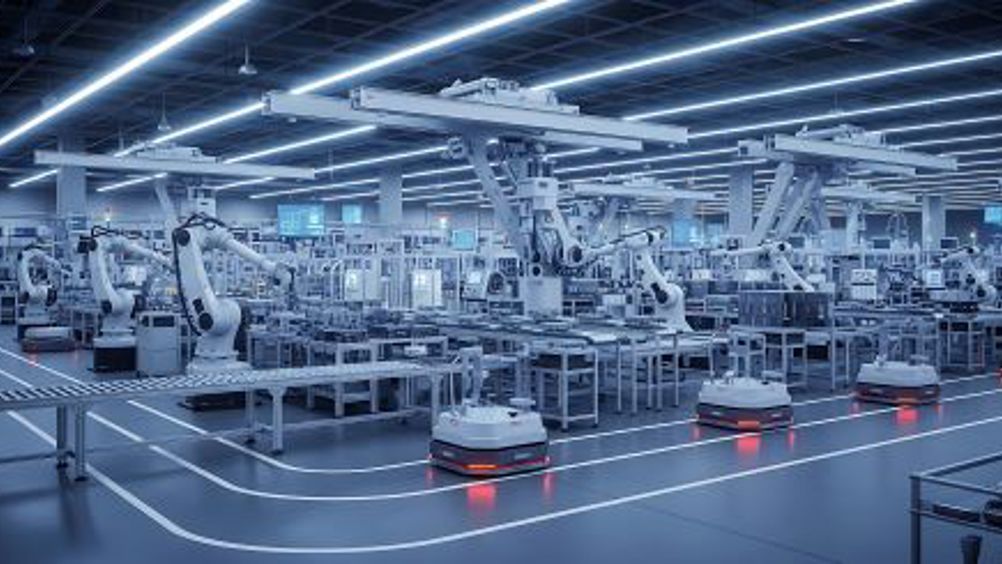
A clear trend is emerging across both sectors toward automation and digitalization. Manufacturers are exploring more autonomous production environments that utilize robotics and AI-driven analytics, enhancing overall flexibility and responsiveness in an uncertain market. Shane Morgan, Global Key Account Manager at Panasonic Connect Europe, emphasized the strategic priority of investing in autonomous manufacturing—enabling companies to build resilient, data-driven operations to maintain competitiveness.
As electronic manufacturers adapt their sourcing strategies, there is a noticeable shift in mindset. Cost is no longer the sole focus; resilience, visibility, and flexibility are gaining precedence. Multi-sourcing strategies, regional diversification, and improved digital integration with suppliers are becoming essential. This shift underscores the necessity for end-to-end transparency and anticipatory supply chain planning, even as material availability improves.
Cost pressures persist amid geopolitical uncertainties and rising energy prices, prompting manufacturers to leverage digital tools for optimized design and sourcing decisions. This integration enables companies to balance factors like cost, quality, and availability without the need for constant redesigns.
The relationship between OEMs and suppliers has transformed significantly over the past 12–18 months. Enhanced data sharing, improved forecasting accuracy, and joint risk management strategies reflect a move towards cooperative ecosystems, fostering better anticipation of challenges and optimization of outcomes.
The automotive sector, undergoing a seismic shift toward electrification and software-defined vehicles, is demanding more high-reliability electronics and complex architectures. Consequently, supply chains must be agile and responsive, with a closer integration between hardware and software development.
In aerospace and defense, priorities like resilience and localization are prominently influencing manufacturing decisions. The push for localized supply chains within Europe is sparked by geopolitical factors and the need for control over critical components. Additionally, strict regulations are accelerating the adoption of digital manufacturing solutions.
Investment trends vary among sectors. The automotive industry is aggressively investing in advanced technologies due to the urgency of electrification, whereas aerospace is recovering more gradually, with investment ramping up as production resumes. Defense remains buoyed by geopolitical factors, leading to sustained investment.
While notable progress has been made in automation and data connectivity, full autonomy in European manufacturing still faces barriers including data integration challenges and skills gaps in digital manufacturing. Nevertheless, increased autonomy could serve as a competitive differentiator, enhancing productivity and supporting supply chain independence, making it crucial for manufacturers to evolve strategically in a global landscape.
The content above is a summary. For more details, see the source article.









