


Key Takeaways
- April’s longer days and improved weather increase solar energy output, causing power prices to drop, sometimes below zero.
- The growth in negative pricing signals a need for enhanced flexibility in Europe’s energy grid and greater investment in power storage solutions.
- Negative prices are becoming more common across Europe, prompting calls for restructuring subsidies and expanding grid infrastructure.
Growing Solar Capacity in Europe
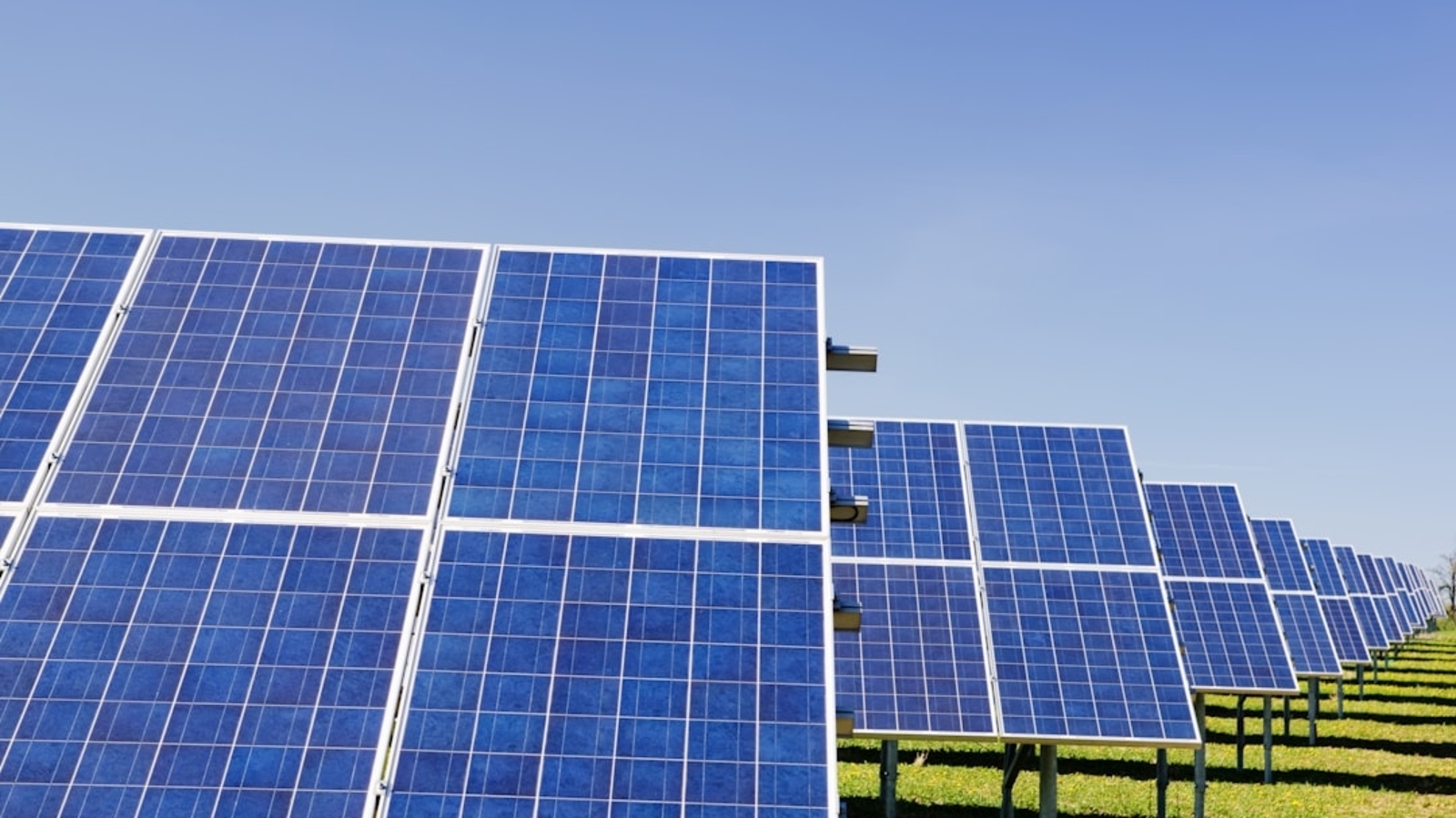
April has brought longer days and sunnier conditions, leading to a significant increase in solar energy production across Europe. This surge not only drives down power prices—occasionally below zero—but also reduces household heating demand due to warmer temperatures. As new solar capacity floods the grid, some renewable energy producers face shrinking profits, and investors are becoming wary.
Negative pricing occurs when supply exceeds demand, which is currently only beneficial for a small number of consumers who have special tariffs. To address this excess energy, strategies such as increasing demand or developing more storage solutions are necessary. While some new solar farms incorporate battery storage, more investment is crucial to effectively manage this imbalance.
Chris Rosslowe, a senior energy analyst at Ember, indicates that the rise in negative prices is a clear call for more investment in system flexibility. With the European Union expected to add a substantial amount of solar panels and farms to the grid in the coming years, these challenges will become more pressing. Demand typically peaks in the evening, just as solar generation begins to decline, creating a mismatch that complicates usage of this abundant daytime energy.
Recent analysis from BNEF highlights a sharp decrease in solar energy production revenue, particularly in Germany, and predicts further declines. Analysts also expect the growing gap between prices paid to solar generators and the baseload power price may deter investments in new renewable projects, posing risks to Europe’s 2030 clean energy targets.
The European Agency for the Cooperation of Energy Regulators reports that negative pricing has spread into countries like Bulgaria, Greece, and Spain, marking a new trend. To mitigate these issues, there is a consensus regarding the need to restructure subsidies for renewable producers and increase grid flexibility.
Expanding Europe’s grid is also a potential solution to reduce negative pricing and is essential for utilizing abundant solar energy more effectively. The current grid faces bottlenecks due to slow planning processes, limiting electricity transfer between regions. Rosslowe emphasizes that improved connections will not only stabilize prices but also alleviate costs associated with paying operators to decommission turbines during peak solar production.
Looking ahead, favorable weather patterns suggest a continued dominance of solar power this spring, although variations in maintenance schedules for nuclear plants and gas fields may influence the overall impact on energy pricing. Tim Partridge from LG Energy Group predicts that increased maintenance could offset some of the excess solar output, potentially reducing the prevalence of negative pricing more than previously anticipated.
The content above is a summary. For more details, see the source article.









