


Key Takeaways
- Europe’s Stoxx 600 index fell 1.1%, reflecting broad market losses, particularly in the automobile and telecom sectors.
- Volkswagen’s shares dropped 5.6% following a negative outlook, impacting the automobile sector’s performance.
- The European healthcare sector outperformed, while central bank rate decisions added to market volatility.
Market Overview
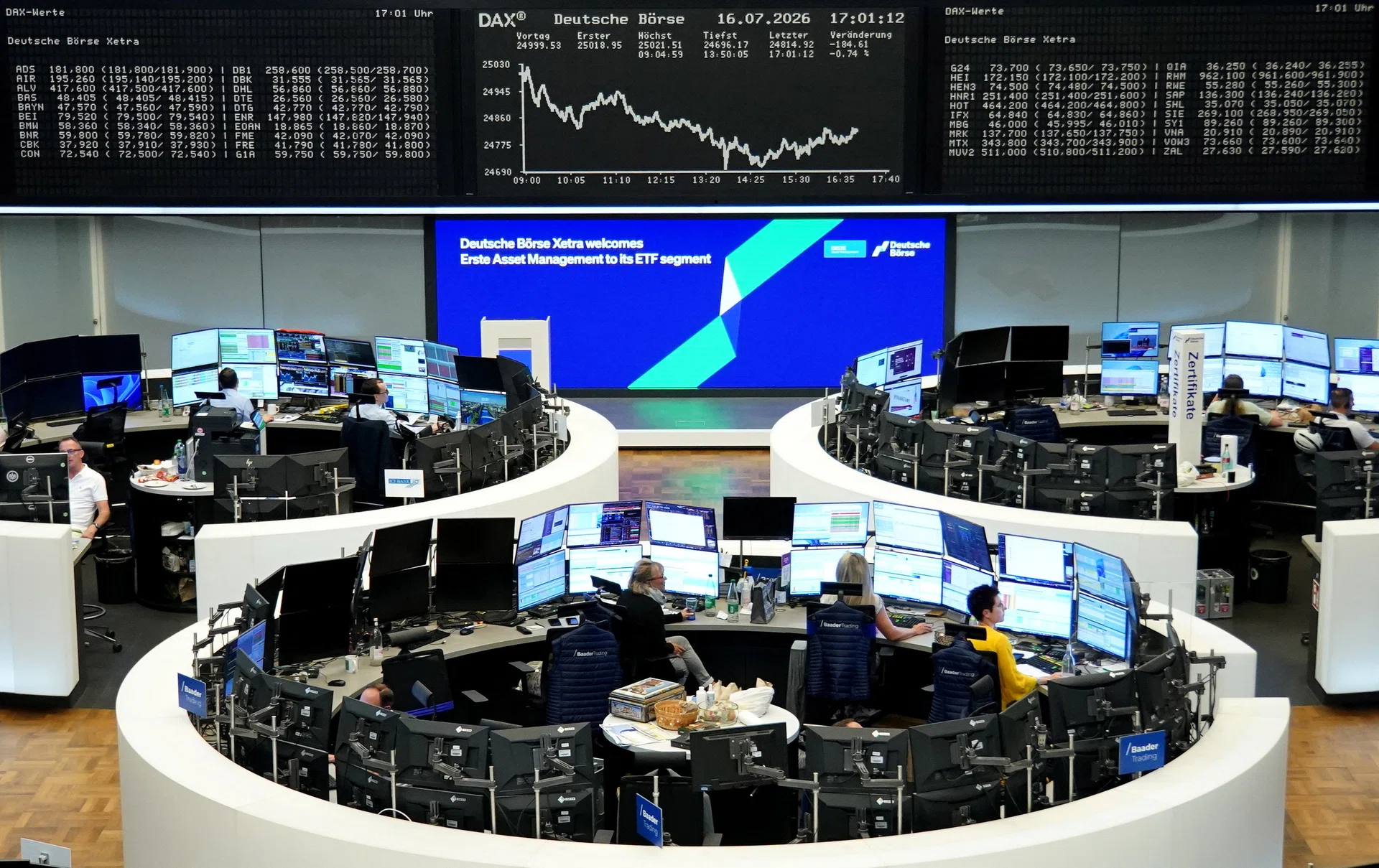
Europe’s Stoxx 600 experienced a significant decline on Friday, September 18, falling 1.1% to 635.45 points. This drop erased nearly all gains from the previous two sessions and resulted in a 0.6% decline for the week. Key sectors such as automobiles and telecommunications led the downturn, amid falling oil prices and recent central bank interest rate decisions.
Regional markets also reflected negative trends, with London’s FTSE 100 and Germany’s DAX down 1.5% and 1.6%, respectively. The automobile sector faced a substantial 3.4% decline, with Volkswagen leading the losses, marking its biggest one-day drop since September 2025 at 5.6%. The company announced a rough outlook, anticipating 10 billion euros (about US$11.5 billion) in one-time costs linked to its stake in Porsche, potential job cuts, and challenging conditions in the Chinese market. In response, Porsche shares fell by 4.9%.
Telecommunication stocks were not spared, falling 3.3%, the most significant drop since April 2025. Airtel Africa was the top decliner, losing 11.3% after reports suggested plans to scale back its London initial public offering for Airtel Money. The food and beverage sector also suffered, with Nestle’s shares decreasing by 2.6% following the Russian government’s seizure of its local assets.
While oil prices partially recovered, energy shares still fell 0.7% for the day and 0.5% for the week. Market analysts noted that concerns about supply from Saudi Arabia, alongside the escalating conflict in the Middle East, influenced market sentiment. The U.S. Federal Reserve raised interest rates earlier in the week, while the Bank of England opted to maintain its rates, indicating the possibility of future adjustments depending on the developments in Iran.
Daniela Hathorn, a senior market analyst at Capital.com, commented on the central banks’ actions, suggesting that the recent rate hikes could either act as a precautionary measure against potential energy-driven inflation or signal the start of a prolonged tightening cycle. The upcoming week could reveal whether stable yields and declining oil prices provide a pathway for equity recovery.
In other market movements, the European healthcare sector emerged as the top performer this week, followed by insurance, while banks and automobiles recorded the largest losses. Stock updates included Orange, which fell 5.8% after Morgan Stanley’s downgrade to “underweight,” and LPP, Poland’s largest fashion retailer, which saw an 8% increase following a 64% rise in its second-quarter net profit.
The content above is a summary. For more details, see the source article.









