


Key Takeaways
- AI technologies like DALL-E and Midjourney democratize art creation but challenge traditional concepts of authorship.
- Despite AI’s advancements, it cannot replicate the emotional and experiential depth found in human-created art.
- The rise of AI art has sparked a renewed appreciation for traditional artworks and their unique qualities.
AI’s Impact on the Art World
Artificial intelligence (AI) is transforming the art world, revolutionizing how art is produced, curated, and perceived. Tools such as DALL-E and Midjourney enable rapid art creation, compounding debates around authorship and creativity. While AI-generated artworks are gaining attention, they also highlight the inherent qualities of human artistry—particularly authenticity and emotional depth.
A recent study reveals that while audiences may rate AI artworks similarly in terms of artistic value, they often do not feel the same emotional connection or recognize the intentionality behind machine-created pieces. This distinction underscores the importance of human experience in art; AI can replicate styles but falls short of conveying personal narratives and emotions.
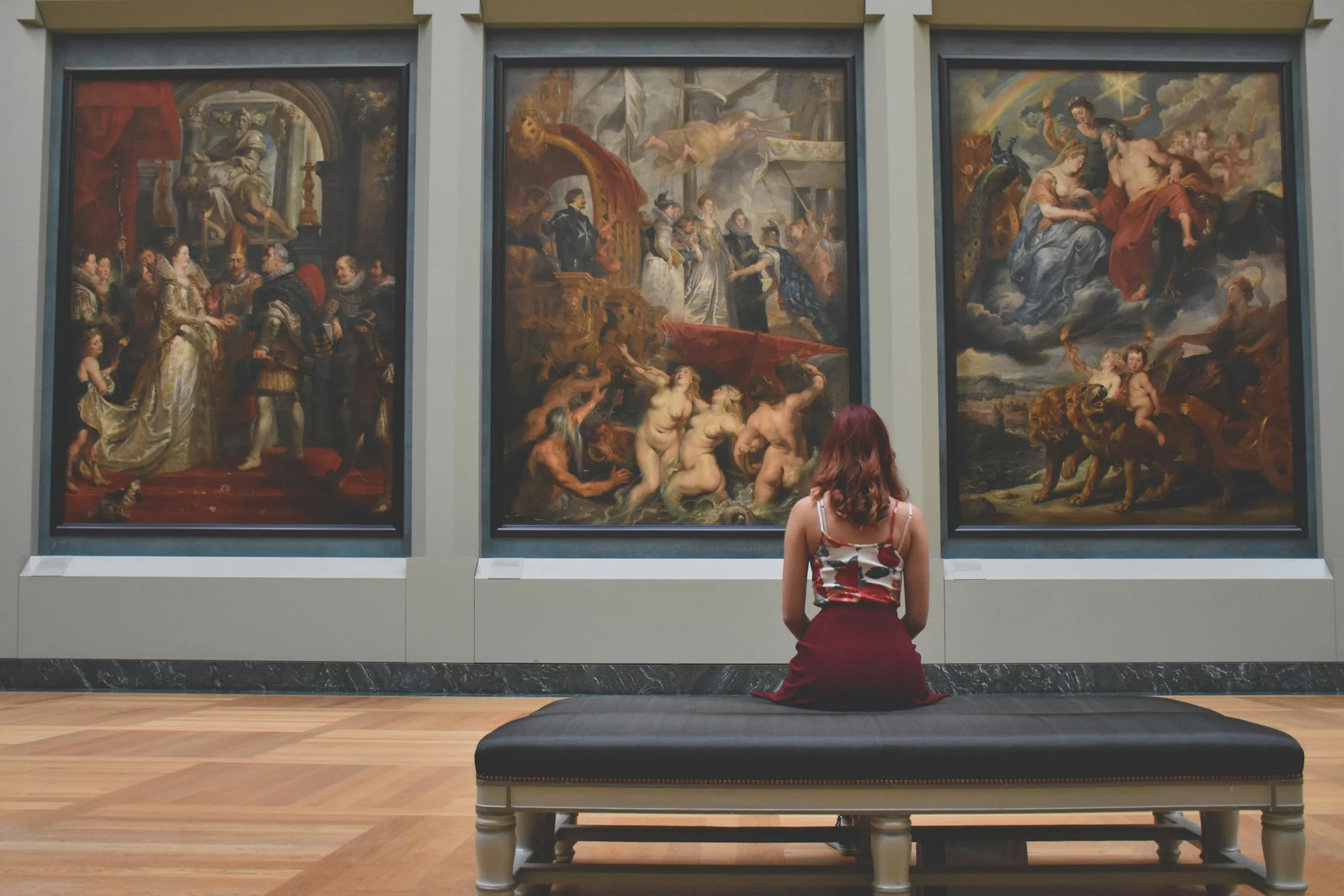
As artists increasingly utilize AI as a tool for content creation, complex discussions emerge regarding originality and what constitutes creativity. Galleries are also adapting, hosting exhibitions that place algorithmically generated art alongside traditional pieces. This educational shift is crucial as museums strive to communicate AI’s limitations while celebrating the unique insights human artists provide.
Research indicates that viewers report stronger emotional responses to human-created artworks compared to those produced by AI. True artistry encompasses a blend of cultural, emotional, and experiential elements that algorithms cannot mimic. The subtleties and imperfections characteristic of hand-painted art reflect the artist’s journey, echoing shared human experiences and cultural heritage.
The rise of AI has led to a reevaluation of traditional art, prompting museums and galleries to facilitate comparisons between machine-crafted and human-made works. By showcasing the differences, these institutions not only reaffirm the significance of traditional practices but also stimulate broader conversations about art’s evolving role in society.
Ultimately, while AI excels at generating visually appealing images, it performs based on statistical patterns devoid of personal insight. Its inability to engage with the emotional and narrative layers that define human creativity underscores the enduring value of traditional art. The complex narratives and emotional truths that emerge from human artistic endeavors are irreplaceable, fostering essential dialogue and a deeper understanding of the human experience.
As the digital art landscape continues to evolve, the contrast between AI-generated and human-created art invites reflection on the essence of creativity. Though technology can enhance art, the ability to tell stories and elicit emotions remains exclusive to human artists. This realization reinforces the notion that while AI can produce striking visuals, it lacks the soul that defines genuine artistic expression.
The content above is a summary. For more details, see the source article.









