


Key Takeaways
- California’s Central Valley is adopting automation to address climate change, labor challenges, and financial pressures in agriculture.
- The F3 Innovate initiative, backed by a $65 million federal grant, aims to transform local farming through technological innovation and workforce training.
- Students are being trained in agricultural technology at community colleges, enhancing their skills for a future reliant on advanced farming methods.
Transforming Agriculture through Technology
California’s Central Valley, a major agricultural region that feeds much of the U.S., is undergoing significant technological transformation. Amid climate change pressures, labor shortages, and narrowing profit margins, farms are increasingly turning to automation. The F3 Innovate initiative, which stands for Farms Food Future, aims to establish the Central Valley as a center for agricultural innovation.
Funded initially by a $65 million federal grant from the 2021 American Rescue Plan, F3 Innovate focuses on building a resilient agricultural economy. According to Karen Aceves, a consultant and program director, the initiative strives to create technologies suited for farms while making them climate-efficient. This approach not only generates economic value but also aims to create job opportunities for local workers.
One of the initiative’s key components is a certificate program launched last year across seven Central Valley community colleges, including Reedley College. This program provides training in agricultural technologies, ensuring that existing farm workers are prioritized for new opportunities created by ag tech advancements. The courses are free for students, making the training accessible to many.
In hands-on lessons, students learn how to operate advanced agricultural equipment, such as tractors and autonomous robots like the “Amiga.” This customizable farm rover utilizes AI-powered cameras to monitor crops and estimate yields. As students engage in this practical training, they gain skills applicable to modern farming roles.
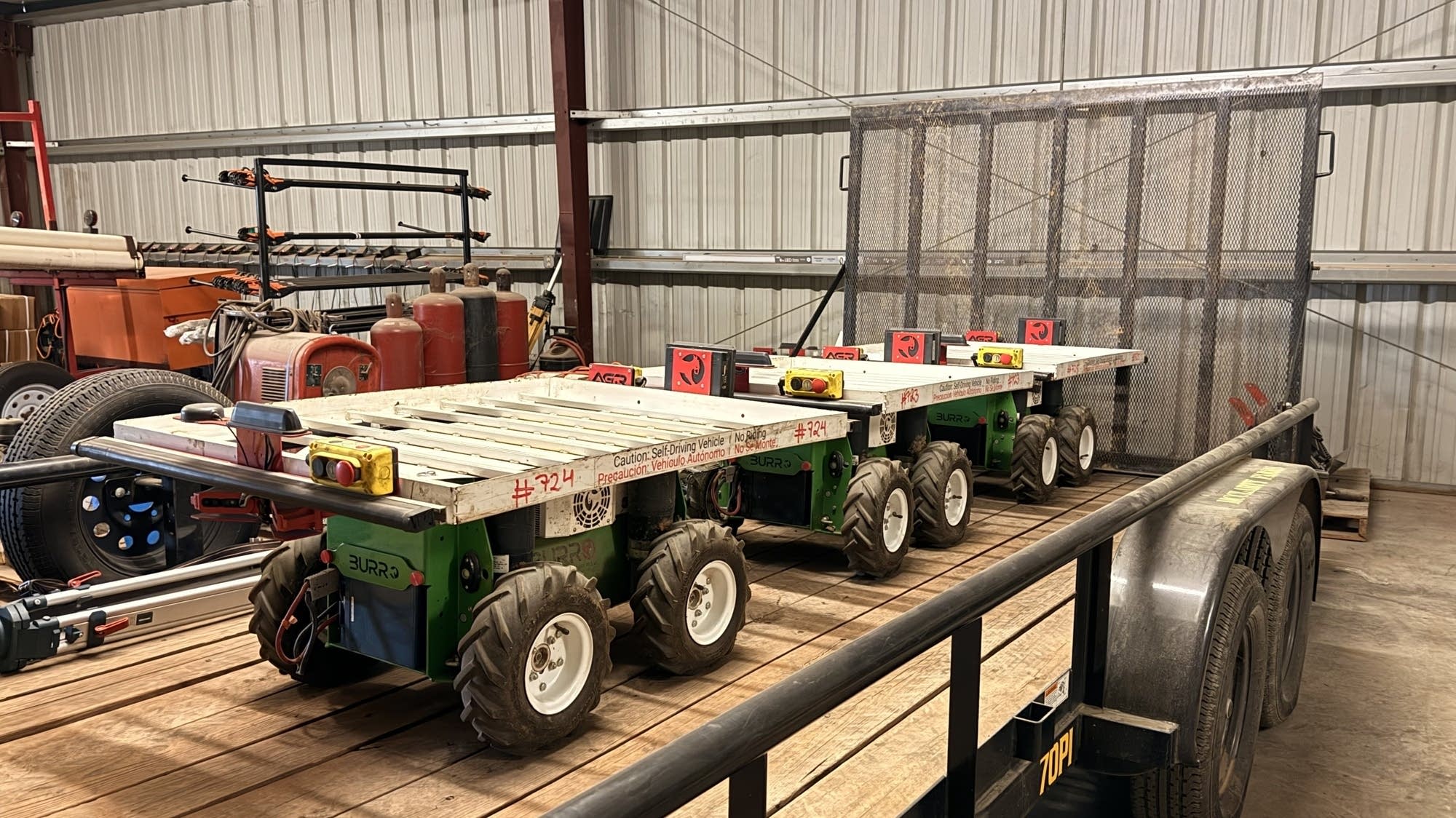
HMC Farms, located nearby, exemplifies the industry’s shift towards automation. With a fleet of autonomous carts named Burros, the farm significantly enhances the efficiency of grape harvesting. These vehicles carry produce from the field to packing areas, reducing physical strain on workers and allowing them to focus on more skilled tasks.
Drew Ketelson, HMC’s farm manager, emphasizes that technology is not about replacing jobs but improving working conditions and sustaining the business. He points to the harsh realities of California’s agricultural labor market, where high wages and chronic shortages pose challenges for farmers.
Students like Victor Morales view new technologies positively, noting their potential for decreasing physical demands and improving job prospects. With training in tools like the Amiga, Morales hopes to enhance his skill set, leading to better pay and opportunities in the evolving agricultural landscape.
In summary, as California’s Central Valley embraces innovative agricultural technologies, these efforts seek to ensure sustainable farming practices and empower the local workforce for a changing industry landscape.
The content above is a summary. For more details, see the source article.









