


Key Takeaways
- Uppsala is developing a new district with 33,000 housing units to support sustainable growth for 50,000 residents by 2050.
- The city aims to achieve fossil-fuel-free status by 2030 and climate positivity by 2050, prioritizing biodiversity and carbon reduction.
- Smart city technologies, including AI and GIS, will be utilized to streamline urban management and engage communities effectively.
Sustainable Urban Development in Uppsala
In Sweden, Uppsala, the country’s fourth-largest city, is leading a significant effort in sustainable urban development. City planners are designing a new district intended to accommodate 50,000 residents with 33,000 new housing units by 2050. Uppsala’s reputation as a research hub coupled with its ambitious sustainability policies is attracting more residents. The city has set a target to be fossil-fuel-free by 2030 and climate-positive by 2050, establishing itself as a global leader in sustainability.
The focus of the Uppsala planners is on creating a sustainable urban model that enhances residents’ quality of life while preserving biodiversity, avoiding environmental degradation, and reducing carbon emissions. To achieve this, they utilize a GIS-based digital twin to visualize and refine ideas throughout the planning process.
This new district will be constructed on city-owned forest land, with many trees preserved in green corridors. The design facilitates large tree groupings in courtyards surrounded by housing, while ensuring natural habitats and groundwater flow are maintained.
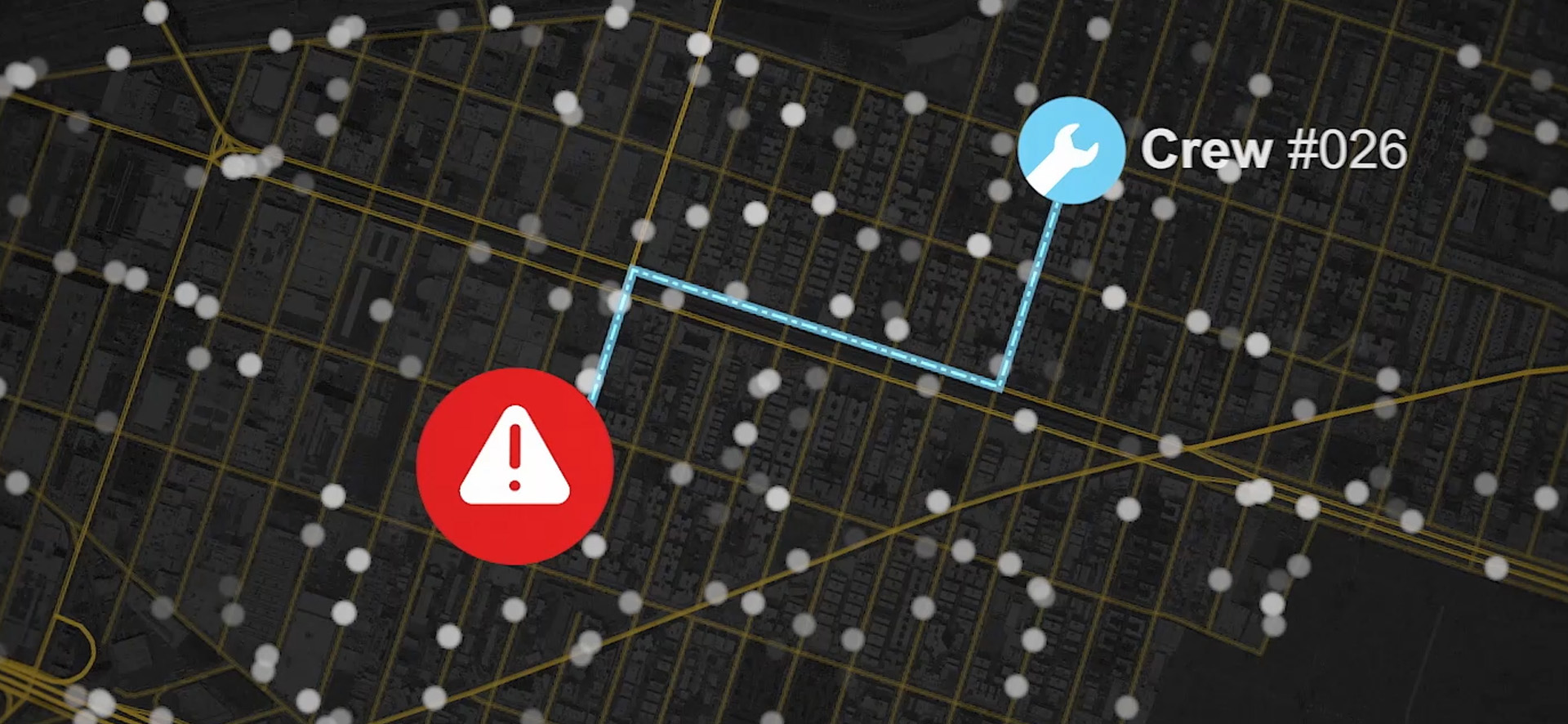
Globally, smart cities share key features, including real-time data on neighborhood conditions and essential information accessible to city managers, emergency services, and residents. In a smart city, anyone can easily find out critical updates such as street repairs, energy usage spikes, or declining air quality.
Smart city leaders are employing technologies like artificial intelligence and GIS to optimize workflows and resource allocation. Data gathered from mobile devices, city infrastructure, and vehicles is analyzed to improve urban living conditions. Active community engagement from the onset helps identify resident priorities and supports groups with specific needs, leading to a human-centered design approach.
By employing 3D models and digital twins, planners aim to anticipate potential economic, environmental, and social challenges. Through advanced technologies, urban systems are being reimagined to foster a more equitable and sustainable future for communities. Uppsala exemplifies how modern urban development can balance growth with sustainability.
The content above is a summary. For more details, see the source article.









