


Key Takeaways
- The study demonstrates that the implementation of “smart city” policies significantly boosts urban entrepreneurial activity, with an impact coefficient of 3.198.
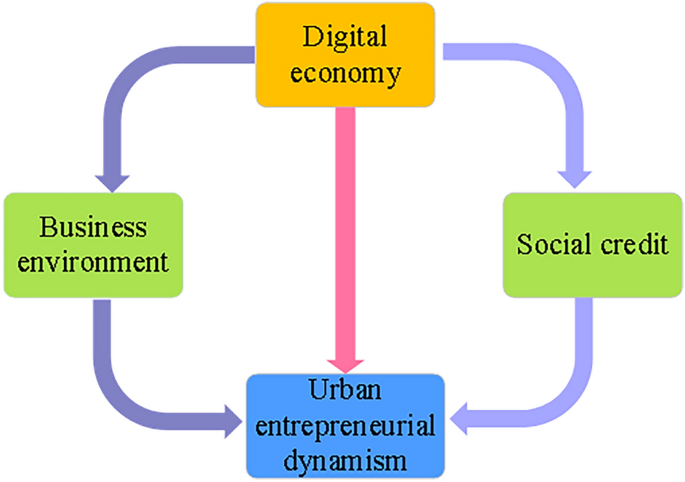
- A robust urban business environment and enhanced social credit levels are crucial mediators that amplify the positive effects of the digital economy on entrepreneurship.
- Heterogeneity tests reveal the digital economy’s varied influence across different regions and industries, with pronounced effects in northern cities and the information technology sector.
The research utilizes a Difference-in-Differences (DID) model to explore the interplay between the digital economy, entrepreneurial activity, and the business environment, with a focus on China’s “smart city” pilot policy. This policy aims to modernize urban infrastructure and enhance service delivery through advanced technologies.
Initial analyses indicate that becoming a “smart city” significantly enhances urban entrepreneurial activity, with a coefficient of 3.468 in the absence of controls and 3.198 when control variables are included, both achieving a significance level of 1%. The findings emphasize that smart city initiatives rejuvenate urban infrastructure and optimize resource distribution, thereby increasing entrepreneurship potential and market responsiveness.
However, not all factors bolster entrepreneurial success. While higher education rates positively impact entrepreneurial activity, financial development unexpectedly correlates with a decline in entrepreneurship. This finding suggests that too much concentration of financial resources may favor larger, established businesses over startups.
Additional regression findings show that an improved business environment—characterized by strong regulations and support—raises urban entrepreneurial activity, measured at an impact coefficient of 1.615. Enhanced social credit levels encourage entrepreneurship by fostering trust and accountability within the market.
The study employs quantile regression to reveal that the positive influence of the digital economy intensifies as urban entrepreneurial activity increases, suggesting a reinforcing cycle where greater entrepreneurial success further stimulates digital economy growth.
Robustness checks, including Placebo tests and the exclusion of the influence of other policies, validate the reliability of the results. The analysis of heterogeneity highlights regional differences: northern cities experience a stronger impact of the digital economy on entrepreneurship compared to the south.
Industry-specific analyses show significant entrepreneurial activity increases in sectors like information technology and education, while the digital economy negatively affects traditional leasing services, associated with the rise of sharing economy models.
In conclusion, the study underscores the critical role of smart city initiatives in boosting urban entrepreneurship through improved business environments and social credit systems. The findings offer actionable insights for policymakers to support the expansion of digital economies, enhance urban competitiveness, and foster innovation across varying regions and industries.
The content above is a summary. For more details, see the source article.









