


Key Takeaways
- The Strait of Hormuz remains largely closed due to ongoing geopolitical conflicts, influencing global oil markets.
- At least six major oil-related conflicts are contributing to instability in global oil supply, exacerbated by rising demand for electric vehicles.
- Transitioning to electric transportation offers a viable solution to reduce reliance on oil and mitigate associated conflict risks.
The Strait of Hormuz, crucial for global oil transit, has been largely closed since a conflict started six months ago involving the US, Israel, and Iran. This conflict has raised concerns about global oil prices, although the initial shock has been mitigated to some extent due to reduced oil consumption in China. The Chinese adoption of electric vehicles (EVs) has offset significant oil demand, leading to effects on global oil markets that could have been dire otherwise.
While the Strait of Hormuz remains a focal point, other regions are also influencing oil availability. A recent drone attack in Saudi Arabia, launched by the Houthi rebels, has disrupted a vital pipeline that previously helped to alleviate pressure caused by the Strait’s closure. The Houthis also threaten another key transit route, the Bab-El-Mandeb strait, further complicating shipping dynamics.
Parallel to these events, the conflict in Ukraine has intensified since Russia’s 2014 invasion, affecting oil flow through the region. Ukraine has employed effective strategies against Russian oil infrastructure, crippling its refining capacity and contributing to a significant downturn in Russia’s oil export capabilities.
Libya’s long-standing instability has resulted in production fluctuations, with recent suspensions affecting oil output amid political strife. The situation in Venezuela is similarly complicated, where internal governance issues and external attempts to influence oil management are contributing to uncertainty in production. The US’s blockade against Cuba exacerbates the energy crisis there, further highlighting the intersection of oil availability and political maneuvers.
Regional trade wars, particularly between the US and Canada, complicate the oil landscape as both countries reconsider their oil trade relationships. Concurrently, Canada has begun allowing a new wave of Chinese EV imports, signaling a shift toward greener alternatives in transportation.
Collectively, these factors indicate that nearly 43% of the world’s oil production comes from conflict-affected regions. The intractability of these conflicts raises significant questions about the reliability and sustainability of oil as a resource. The ongoing volatility in oil markets has prompted countries to draw from strategic reserves, but these resources are finite, which could lead to future supply challenges, particularly if China resumes its oil purchases.
Compounding these issues is the broader context of climate change, which intensifies competition for diminishing resources and increases conflict frequency. Historical droughts and resource scarcity have previously fueled unrest, suggesting that as climate challenges intensify, future conflicts may become even more prevalent.
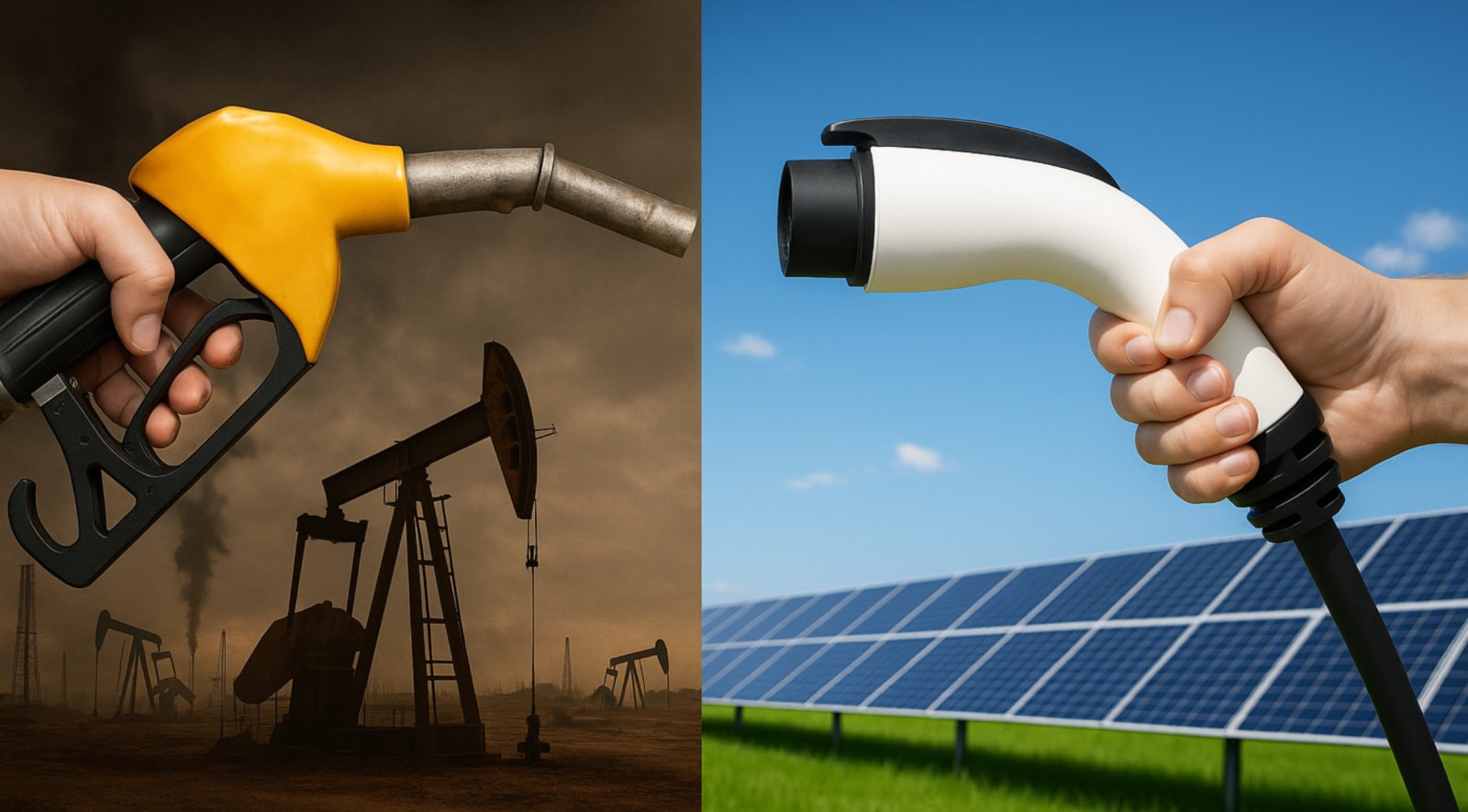
Electric transportation emerges as a promising solution to these complex problems. By shifting away from oil dependency, nations can reduce their involvement in related conflicts. In various regions, there are increasing efforts towards electrification as global awareness grows regarding the potential to alleviate geopolitical tensions through sustainable practices.
From China’s aggressive EV adoption to Cuba’s solar initiatives, the shift towards electric vehicles is not just a necessity but a pathway to resolving ongoing conflicts. As countries begin to embrace electrification in transportation, they could mitigate the manifold risks posed by traditional fossil fuel reliance—ultimately paving the way for a cleaner and more stable future.
The content above is a summary. For more details, see the source article.









