

Key Takeaways
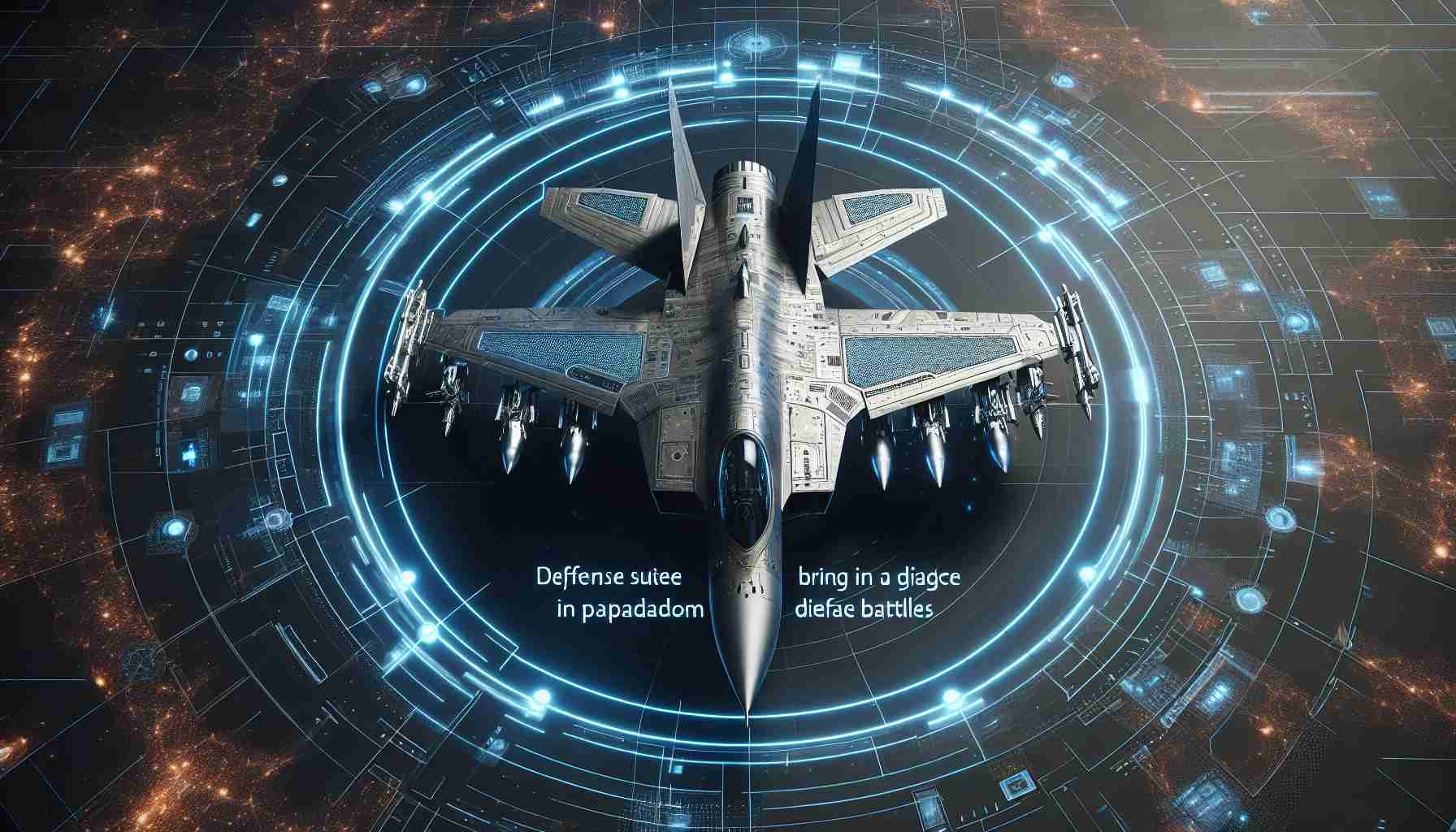
- Elbit Systems has been awarded an $80 million contract by the Israeli Defense Ministry to develop advanced electronic warfare self-defense systems for the F-16I “Sufa” fighter jets.
- The new self-defense suite will enhance the jets’ capabilities with advanced threat management, electro-optical missile detection, and innovative countermeasures against heat-seeking missiles.
- This initiative indicates a significant shift in air combat technology, highlighting the increasing importance of advanced electronic systems in modern military strategies.
Significance of the Contract
Elbit Systems has secured a vital contract with the Israeli Defense Ministry, valued at around NIS 300 million ($80 million), to develop high-tech electronic warfare (EW) self-defense suites for the F-16I “Sufa” fighter jets. This contract aims to significantly enhance the defense capabilities of the Israeli Air Force’s fleet, allowing pilots to undertake missions against advanced enemy threats more safely.
The self-defense suite will integrate several groundbreaking technologies. It will include an advanced electronic warfare system for efficient threat management and an electro-optical system capable of detecting missile launches from various sources, thereby improving situational awareness during operations. Additionally, it will feature an innovative chaff and flare system, providing critical countermeasures against heat-seeking missiles.
These advancements are intended to improve the survivability of the F-16I jets, allowing pilots to operate effectively against complex enemy air defense systems. The contract also reiterates Elbit Systems’ commitment to innovation and its standing as a leader in aerial defense technologies.
Wider Implications for Air Combat
The contract’s significance extends beyond Israel’s military capabilities, reflecting broad trends in global defense strategies. Advanced electronic warfare systems are becoming essential as nations face increasingly sophisticated threats, prompting military budgets to prioritize cutting-edge technologies.
This technological race may lead countries to pursue partnerships or acquisitions to bolster their own aerial defense capabilities, creating a competitive environment where technological superiority is crucial. As warfare continues to digitize, the cultural narrative surrounding military engagement will likely evolve, emphasizing technological expertise alongside traditional combat skills.
However, the development of these advanced systems raises environmental concerns, as manufacturing electronic warfare components often involves hazardous materials. Policymakers will need to address this issue, balancing military advancements with sustainable practices.
Looking ahead, air combat will likely see a rise in automation, with unmanned systems complementing manned aircraft—a trend already observed in drone warfare. This shift will not only reshape military strategies and training but also raise ethical considerations regarding machine-driven combat decisions, potentially redefining international relations and warfare dynamics.
In conclusion, the initiative by Elbit Systems to enhance the F-16I “Sufa” represents a forward-thinking approach to modern military challenges, positioning the Israeli Air Force to effectively counter evolving aerial threats. As advancements continue, Elbit Systems is poised to play a vital role in the future landscape of air combat.
The content above is a summary. For more details, see the source article.