


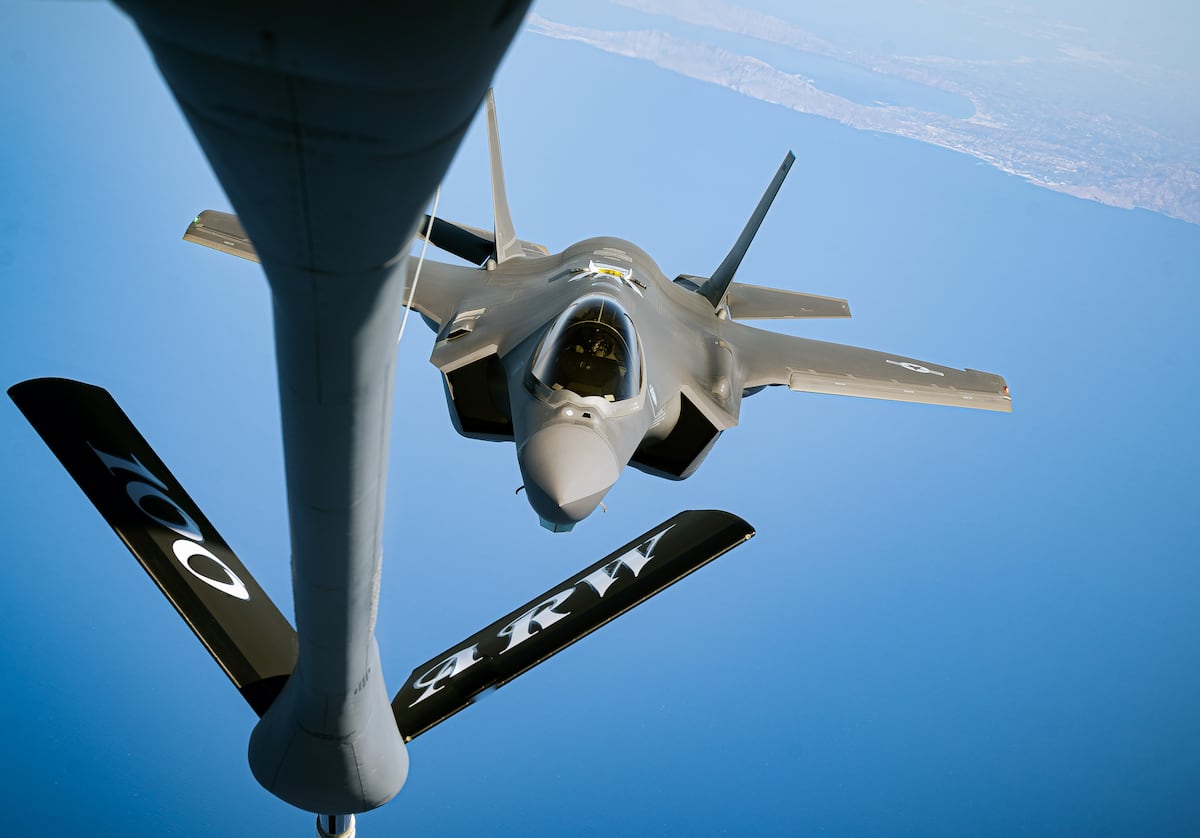
Key Takeaways
- F-35 testing for Technology Refresh 3 (TR-3) upgrades expected to start in mid to late fiscal 2026, three years behind schedule.
- Lockheed Martin has delivered over 100 TR-3 equipped fighters, which currently support training but aren’t yet combat-ready.
- Delays in the TR-3 rollout are affecting future F-35 upgrades, including Block 4 modernization, which aims to enhance combat capabilities.
F-35 Program Update
The F-35 Joint Strike Fighter program is facing significant delays in its Technology Refresh 3 (TR-3) upgrades. According to the Office of the Director, Operational Test and Evaluation, dedicated operational testing for TR-3 is unlikely to commence before mid to late fiscal 2026. This timeline indicates a three-year delay compared to the original schedule and two years after the fighter jets began operational deployment.
As of January, Lockheed Martin has delivered more than 100 F-35s with TR-3 upgrades, equipping them with software necessary for pilot training exercises, including combat training. Lt. Gen. Michael Schmidt, the program’s executive officer, emphasized the commitment to executing comprehensive test plans that will ensure TR-3 provides advanced capabilities to military personnel. The F-35 Joint Program Office is focused on mitigating risks to deliver combat capability by 2025, with ongoing enhancements expected in later fighter model lots.
An insider on the operational testing indicated that beginning tests next year would not delay the introduction of these advanced jets. It’s common for fielding decisions to occur prior to the conclusion of operational tests. However, testing is contingent upon the stability of the software, modifications to the aircraft, the installation of flight test instruments, and the necessary open-air battle shaping capabilities.
The postponement of TR-3 testing is part of a broader trend of setbacks impacting the F-35 program. The TR-3 initiative involves vital enhancements to the fighter’s hardware and software, including improved displays, increased memory, and enhanced processing power. Initially scheduled for release in April 2023, the program has faced delays due to software issues and integration challenges, leading the Pentagon to withhold acceptance of the latest F-35 deliveries until July 2024, when preliminary TR-3 software allowing training flights was finalized.
Despite being equipped for training flights, the TR-3 enabled F-35s are not yet prepared for combat missions. Although the Joint Program Office aims to have these jets operationally ready in 2025, forecasts suggest that completion may be pushed back to early 2026, as indicated by Lockheed’s Chief Financial Officer during a recent earnings call.
These delays concerning TR-3 are also impacting subsequent technological enhancements to the F-35, particularly the Block 4 modernization program. This initiative is designed to expand the jet’s weaponry capacity, improve target recognition, and refine electronic warfare functionalities.
In its annual report, the Office of the Director, Operational Test and Evaluation criticized the lack of progress in the F-35 program, noting persistent failures to meet software development and testing timelines that are essential for addressing existing deficiencies and introducing new capabilities. The situation underscores ongoing challenges within the F-35 program as it strives to meet strategic military needs.
The content above is a summary. For more details, see the source article.









