


Key Takeaways
- The House Rules Committee plans to discuss the farm bill the week of April 27, aiming for a vote this month.
- Lawmakers are negotiating funding for the Department of Homeland Security while preparing for a recess in early May.
- Support for the bill remains split, with some Republicans and Democrats voicing concerns over specific provisions.
Farm Bill Discussions Continue Amidst Legislative Challenges
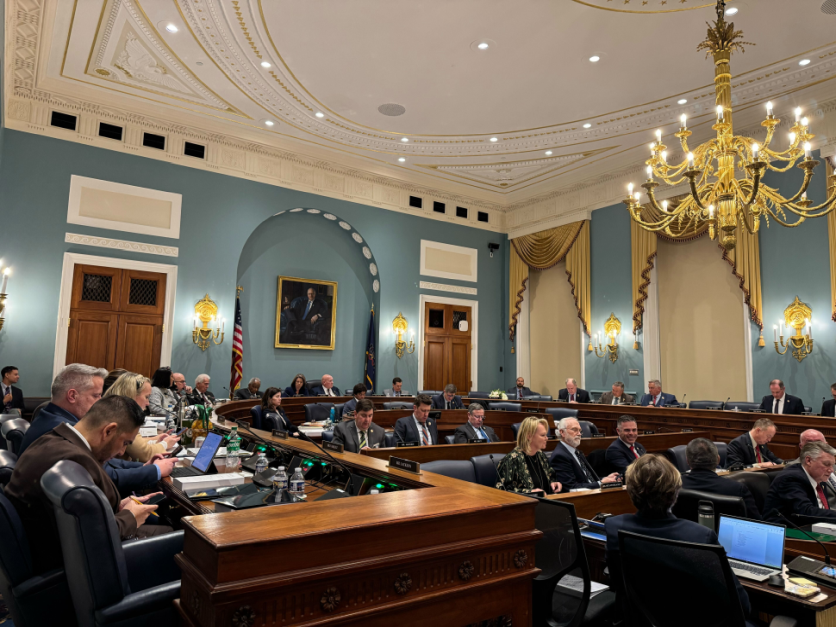
The House Rules Committee recently indicated plans to meet the week of April 27 to prepare for a floor vote on the farm bill, which is being championed by Chairman Glenn “GT” Thompson. This legislative push comes as the House considers amendments, with submissions accepted until noon on April 22. As lawmakers navigate these discussions, they are also dealing with funding for the partially closed Department of Homeland Security and gearing up for a recess during the first week of May.
The farm bill cleared the House Agriculture Committee in March with a 34-17 vote, backed by all Republicans and seven Democratic members. Disagreements arose around key issues, including food assistance cuts, the ethanol policy, and a contentious provision relating to California’s Proposition 12 animal welfare standards. Additionally, there is concern over a measure that would protect pesticide manufacturers from lawsuits.
Chairman Thompson expressed confidence in securing at least some Democratic support when the bill is presented to the House, referencing the seven Democrats who voted for it in committee. However, Democrat Angie Craig of Minnesota criticized the bill as “a shell of a farm bill,” suggesting it may struggle to attract the necessary Democratic votes on the House floor.
The Democratic supporters from the committee include Jim Costa (California), Sharice Davids (Kansas), Don Davis (North Carolina), Adam Gray (California), Kristen McDonald Rivet (Michigan), Josh Riley (New York), and Gabe Vasquez (New Mexico). Despite their backing, Thompson acknowledged that securing broader support remains a challenge, particularly due to contentious provisions.
While the Republican leadership works to unify support, opposition arises not only from some Democrats but also from within their party. Critics, including states’ rights advocates, have raised alarms about the Proposition 12 provision, whereas proponents of the Make America Healthy Again initiative oppose the language regarding pesticide preemption.
Thompson noted that these sticking points present more of an obstacle in the Senate, where securing the required 60 votes will be essential. He remains optimistic about Senator Boozman’s ability to navigate these issues in the upper chamber, indicating that bipartisan support will be crucial for the bill’s advancement.
For further developments on the farm bill and related issues, ongoing updates will continue to be provided by relevant news sources.
The content above is a summary. For more details, see the source article.









