


Key Takeaways
- US automakers must prepare for competition from Chinese car companies, as tariffs and bans are temporary solutions.
- Ford aims to launch affordable EVs around a $30,000 price point, targeting significant market challenges from Chinese manufacturers.
- Collaboration with foreign rivals may be necessary to accelerate EV innovation and improve cost efficiency in the US auto industry.
China’s Growing Influence in the US Auto Market
For years, Chinese automotive brands have been seen as a significant threat to the US auto industry, instilling fear in legacy manufacturers. Despite high tariffs—up to 100%—the demand for Chinese vehicles is on the rise, driven by their affordability and advanced technology. This impending competition has prompted Ford CEO Jim Farley to advocate for stringent barriers against these foreign products, while Ford’s Chairman, Bill Ford, recognizes a different reality.
At a recent Axios event, Chair Bill Ford emphasized the necessity for US automakers to prepare for competition with Chinese brands. He acknowledged that it is unrealistic to expect tariffs and legislative bans to serve as long-term barriers. Ford highlighted the need for a comprehensive, bipartisan industrial policy that will endure beyond fluctuating political climates.
The threat from Chinese manufacturers is increasingly viable. Vehicles from companies like BYD and Geely offer high-quality features at significantly lower prices than their American counterparts. For example, the Galaxy M9, a plug-in hybrid SUV, ranges between $26,000 and $36,000. With these brands capturing 20% of the Mexican automotive market and Canada poised to allow limited imports, the wave of Chinese cars is starting to infiltrate North America.
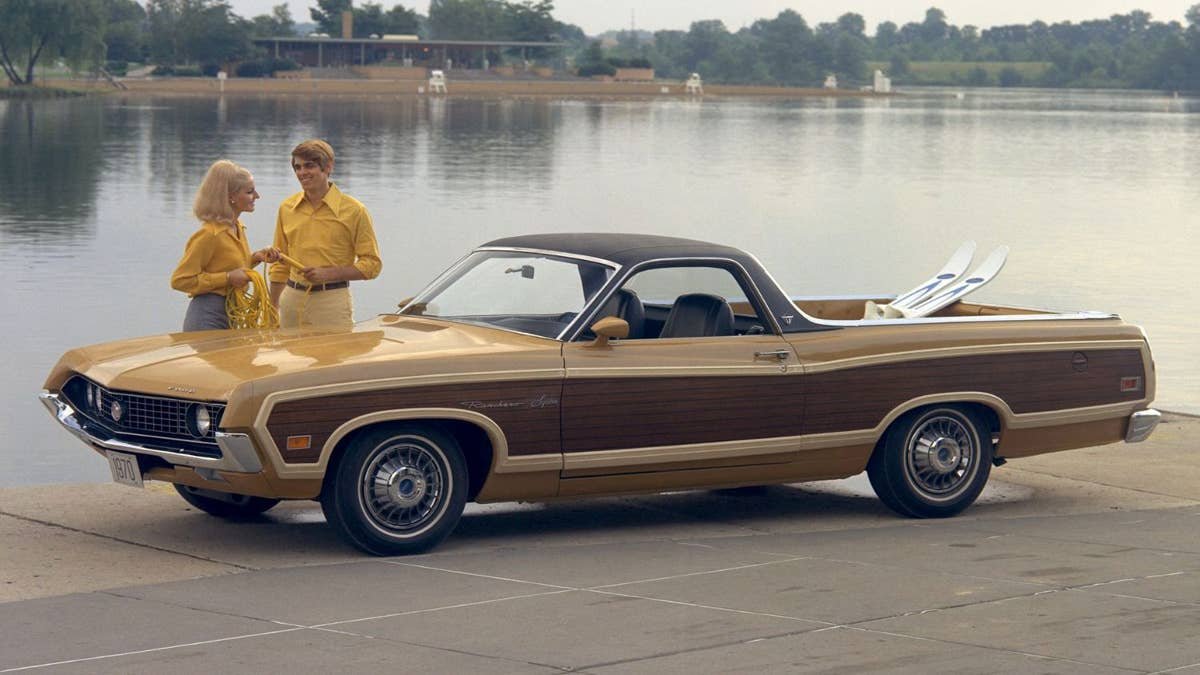
In response to this challenge, Ford is launching a family of budget-friendly electric vehicles (EVs) with a target price of $30,000. Production will commence in 2027 at the Louisville Assembly Plant using a new “assembly tree” process. This initiative aims to create an all-electric midsize pickup, potentially reviving the “Ranchero” name, as part of Ford’s strategy to remain competitive against subsidized foreign automakers.
However, reliance on protectionist measures may only offer a temporary reprieve. The historical struggle of American automakers to deliver affordable electric options is pushing consumers towards more budget-friendly Chinese alternatives. While Ford’s strategy is promising, competing with well-funded global players necessitates substantial breakthroughs in efficiency—something traditional American assembly lines are not designed for.
The potential for collaboration with foreign manufacturers, particularly in the areas of vehicle platforms and next-gen battery technology, could help accelerate the adoption of EVs in the US and lower prices for consumers. The auto industry faces a critical juncture; without rapid evolution and learning from competitors, American firms risk being overwhelmed once legislative protections are lifted.
The content above is a summary. For more details, see the source article.









