


Key Takeaways
- Ford’s electric truck, named “Fathom,” is expected to launch in late 2027 at a price under $30,000.
- Details such as battery range, towing capacity, and design remain largely unannounced, reflecting a common trend in early EV announcements.
- The delayed timelines and lack of transparency can lead to consumer skepticism and competitive disadvantages for automakers.
Ford has officially named its upcoming electric pickup truck the “Fathom,” announcing that it will be priced under $30,000 and is slated for release in late 2027. This announcement comes a year after Ford first revealed plans to produce a midsize electric truck. Despite the excitement, many key details about the Fathom remain undisclosed, including battery specifications, towing capacity, and aesthetic design elements. The vehicle will feature native Apple Maps, a standard touchscreen interface, and BlueCruise technology.
Ford’s approach echoes a broader trend within the automotive industry where manufacturers announce new vehicles prematurely. Many companies, spurred by Tesla’s example, have unveiled products long before they become available. This can lead to consumer frustration, as exemplified by Rivian, which unveiled its R2 and R3 models in early 2024 but has faced significant delays in production and pricing details.
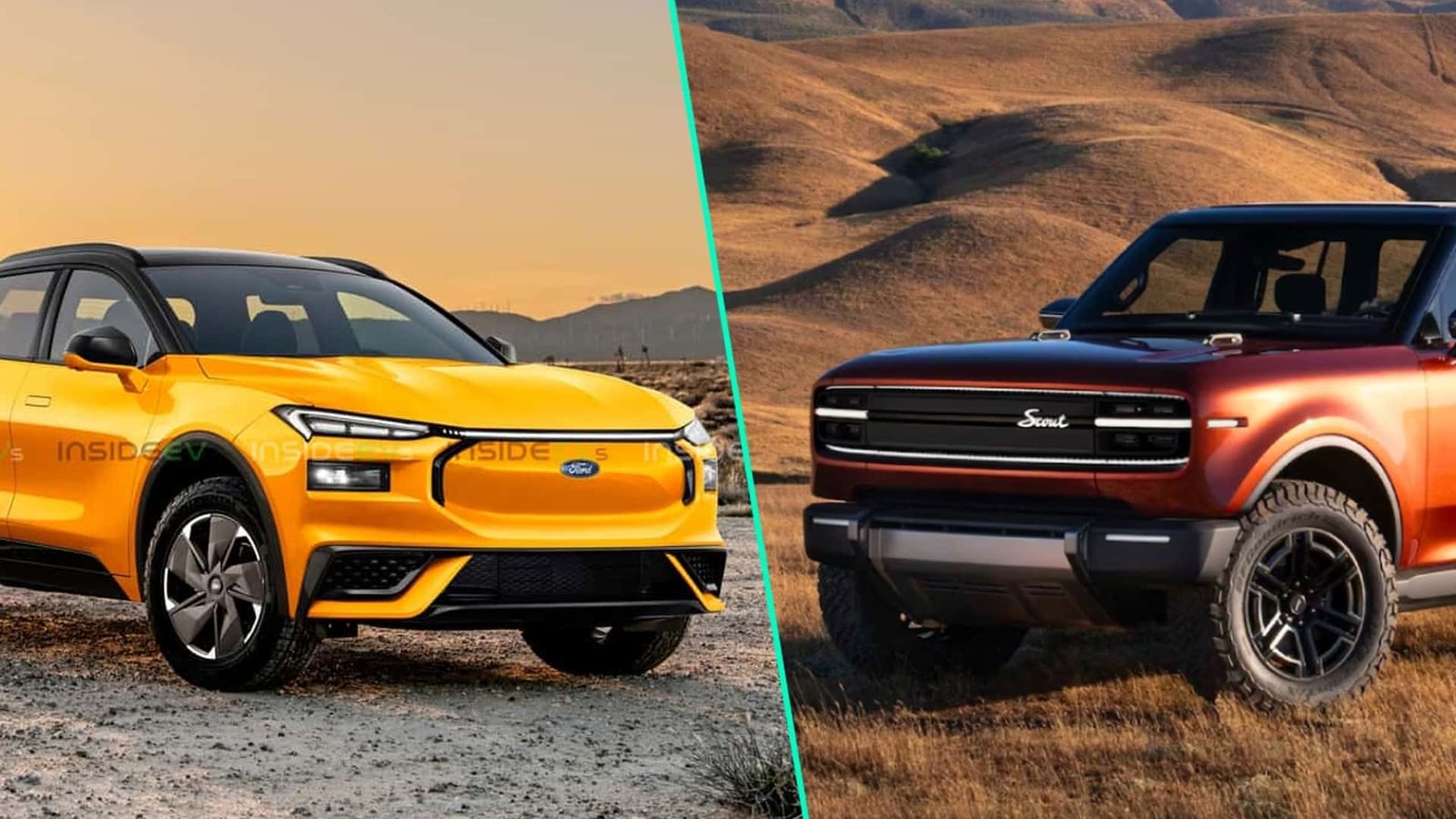
This problem isn’t isolated to Ford and Rivian. Scout Motors, for instance, revealed its EV models, Terra and Traveler, in 2024, but customer deliveries are now pushed back to 2028. This pattern of announcing vehicles years in advance generates buzz and maintains investor interest but risks overpromising and underdelivering, leading to consumer skepticism.
The practice of announcing products too early can be strategic, aiming to assure shareholders of future growth. However, it often results in diminished trust among consumers who grow weary of vehicles taking years to materialize. Companies may fear becoming irrelevant in a fast-paced industry, leading them to dominate the news cycle, even at the expense of solid product launches.
In a market where consumer patience is thin, this strategy can backfire. As more manufacturers follow this trend, skepticism grows among consumers and investors alike, raising the stakes for automakers. Repeatedly missing deadlines or delivering unsatisfactory products risks alienating potential buyers.
Overall, while the Fathom and similar future models hold great promise, the automotive industry must navigate the delicate balance between generating anticipation and maintaining credibility. If manufacturers can successfully manage expectations and deliver on their promises, they can cultivate customer loyalty and confidence. However, the ongoing challenge lies in delivering tangible products in an industry often characterized by delays and shifting timelines.
The content above is a summary. For more details, see the source article.









