


Key Takeaways
- The global smart cities market is projected to grow from US$ 620.5 billion in 2025 to US$ 1,256.8 billion by 2032, at an 18% CAGR.
- Key technologies driving smart cities include IoT, AI, 5G connectivity, and data analytics, which improve urban efficiency and sustainability.
- Challenges such as data privacy, interoperability, and accessibility need to be addressed for the successful development of smart cities.
Transformative Urban Solutions
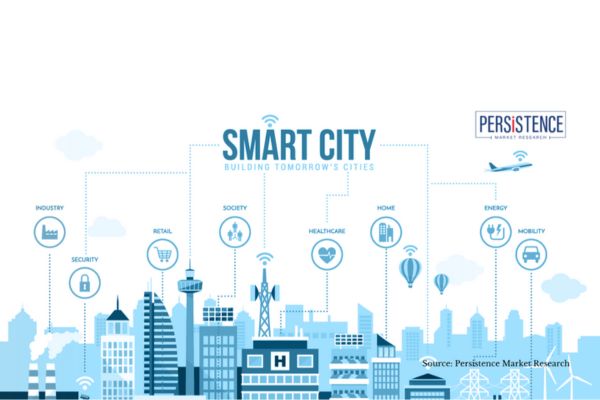
Smart cities are emerging as vital solutions to the challenges posed by rapid urbanization. These cities integrate advanced technologies and data to enhance residents’ quality of life, improve city management, and promote environmental sustainability. As urban populations increase and climate concerns grow, both governments and private sectors are significantly investing in smart city innovations.
Market Growth and Projections
The global smart cities market is on a growth trajectory, fueled by the adoption of IoT, AI, and energy-efficient technologies. A recent report forecasts the market will be worth about US$ 620.5 billion by 2025, with an anticipated compound annual growth rate (CAGR) of 18%, reaching approximately US$ 1,256.8 billion by 2032. This increase highlights an urgent demand for smart solutions to complex urban issues like congestion and pollution.
Crucial Technologies
Essential technologies supporting smart cities include IoT, AI, 5G, and data analytics. IoT devices gather real-time data from various urban infrastructures like traffic lights and public transit. AI then processes this information to enhance operations such as energy management. The connectivity offered by 5G allows for smooth communication across devices, while data analytics offers insights that inform urban planning.
Emerging Trends
Moving towards data-centric urban planning is one key trend, as cities adopt digital twins to simulate environments and improve decision-making. Moreover, sustainable infrastructure is increasingly being prioritized, integrating renewable energy and energy-efficient systems. Citizen engagement through digital platforms is also on the rise, fostering transparency and allowing residents to participate in governance.
Transportation Innovations
Transportation systems are undergoing significant transformation in smart cities, using real-time data to enhance traffic flow and reduce emissions. The adoption of electric vehicles and autonomous transportation options is changing urban mobility, with cities investing in charging infrastructure and integrating various transportation modes.
Environmental Efforts
Smart cities contribute to climate change mitigation through clean energy initiatives and monitoring systems. Technologies such as smart grids and advanced sensors allow for efficient energy use and environmental tracking, aligning with sustainability goals.
Public Safety and Smart Governance
Public safety is bolstered through integrated surveillance systems and predictive analytics to enhance emergency responses. Additionally, e-governance platforms streamline public service access, improving efficiency for administrative tasks.
Health Integration
Integrating healthcare systems into smart city frameworks enhances service delivery. Technologies such as telemedicine and AI diagnostics facilitate faster, more effective care and enable real-time health monitoring.
Addressing Challenges
Despite advancements, challenges like data privacy, cybersecurity, and system interoperability persist. Cities must foster collaboration among vendors and adopt inclusive solutions that consider the needs of all citizens to ensure equitable access to smart services.
The Future of Smart Cities
As urban areas expand, the call for smart city solutions will intensify. Future developments will likely emphasize AI, hyper-connectivity, and cross-city collaborations to create more resilient and harmonious urban ecosystems. The journey toward smarter urban living is just starting, with vast potential for positive societal impact.
The content above is a summary. For more details, see the source article.









