


Key Takeaways
- General Motors is focusing on localizing its EV battery supply chain in North America to reduce costs and dependency on China.
- The automaker has secured deals for essential battery materials, including manganese, nickel, and synthetic graphite.
- New battery technologies aim to lower costs while maintaining range, with plans to introduce lithium manganese-rich batteries by 2028.
Localizing Battery Production
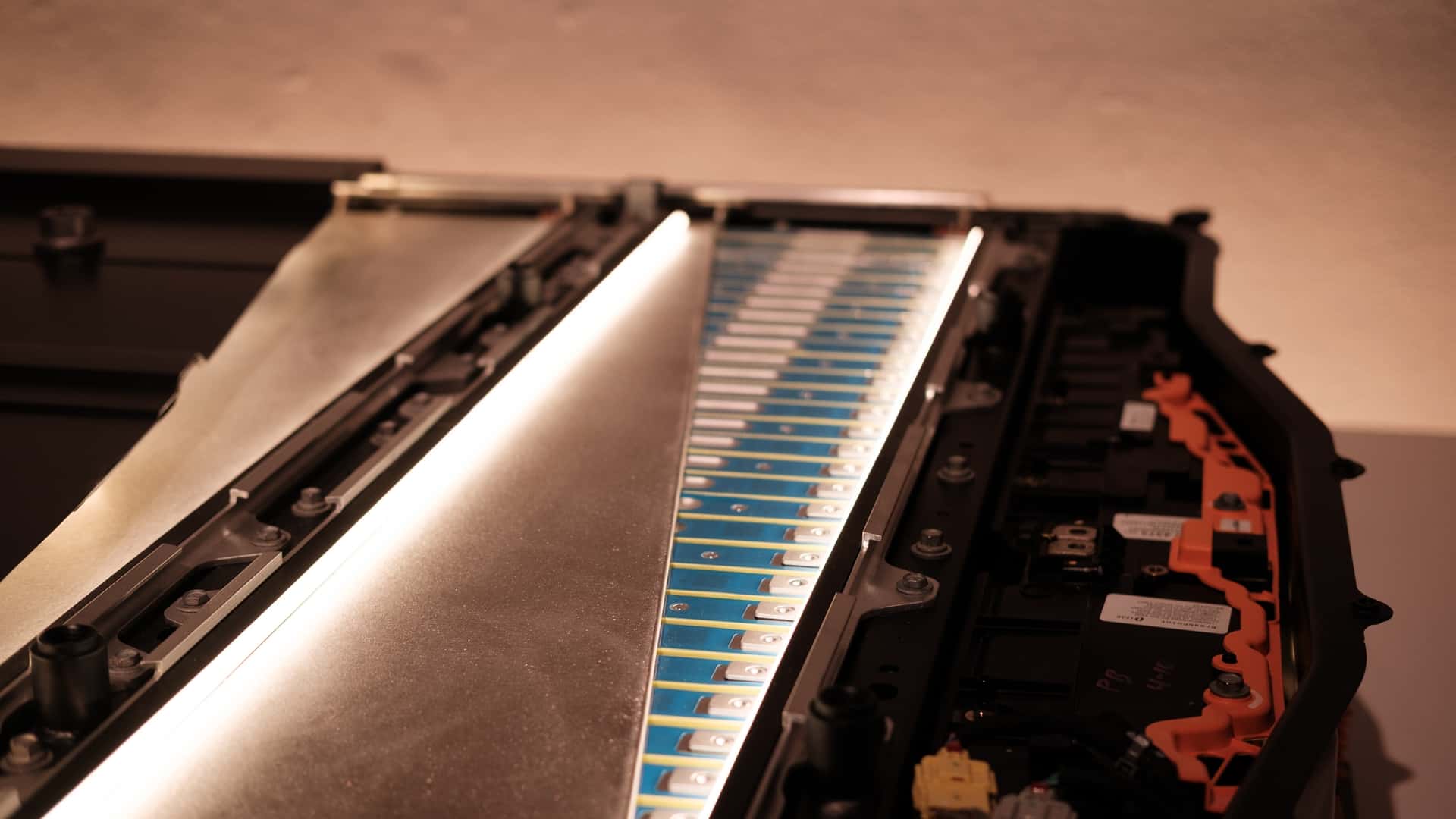
General Motors (GM) has been aggressively pursuing supply deals for raw materials needed for electric vehicle (EV) batteries, emphasizing a shift towards localizing battery manufacturing in North America. This move is part of a broader strategy to reduce reliance on China and strengthen its control over EV production costs.
To date, GM operates two battery gigafactories in the U.S. in partnership with LG Energy Solution. The shift toward localizing battery supply chains is primarily motivated by the desire to maintain cost competitiveness in an evolving market. GM’s intent is to mirror the low-cost strategies of Chinese EV manufacturers by establishing a North American supply chain that enhances affordability and mitigates geopolitical risks.
During a recent discussion on the Core Memory Podcast, GM’s Battery Engineer Andy Oury elaborated on the company’s ambitious plans. “As we get close to the end of this decade, the level of battery manufacturing independence that we have will be almost unrecognizable from today,” Oury stated.
Strategic Sourcing Agreements
The company’s localization efforts are evident in a series of recent sourcing contracts, signed particularly in the wake of the Biden administration’s Inflation Reduction Act, which mandates specific sourcing for EV tax credits. These agreements target essential materials for battery cells, including lithium and various cathode active materials (CAM), such as nickel, cobalt, manganese, and aluminum.
GM currently employs nickel manganese cobalt aluminum (NMCA) batteries across its EV lineup, ranging from the affordable Chevy Equinox EV to the premium GMC Hummer EV. Plans are underway to introduce lithium manganese-rich (LMR) batteries that will decrease nickel and cobalt usage while increasing manganese. These LMR batteries are anticipated to be cost-competitive with lithium iron phosphate (LFP) batteries, yet offer longer driving ranges akin to those of conventional NMC batteries.
To secure manganese, GM has partnered with Australian miner Element 25. Although the manganese will be sourced from Australia, it will be processed in Louisiana, with an agreement in place for 32,500 metric tons annually, sufficient for about one million EVs in North America.
For nickel, GM has partnered with Brazilian mining company Vale, which anticipates supplying nickel from its Canadian operations starting in 2026. Plans for a dedicated facility in Quebec are on hold due to fluctuating EV demand; however, Vale intends to meet production needs through existing plants.
GM’s efforts extend to the battery’s anode side, where it has signed a deal with Norwegian firm Vianode for synthetic graphite, crucial for energy storage. Vianode expects to begin shipments from its large-scale Ontario plant by 2027. In addition, GM is collaborating with Lithium Americas to source battery-grade lithium from the Thacker Pass mine in Nevada, where it has invested $625 million for a 38% stake.
Cost Reduction Focus
“The battery is the most expensive part of an EV. The cells are the most expensive part of the battery pack,” Oury explained. With the introduction of LFP and LMR technologies, GM aims to tackle these high costs directly by optimizing components. The company has already begun using low-cost LFP cells in the Chevy Bolt and plans for similar applications in future Silverado EV trims. By 2028, GM will start utilizing prismatic LMR cells in its full-size trucks, offering over 400 miles of range at a lower price point.
This strategy prioritizes creating electric vehicles that consumers want to buy rather than forcing them into the market. Overall, GM’s localization strategy and sourcing agreements signal a strong commitment to transforming its EV supply chain in a way that ensures competitiveness and sustainability in the long run.
The content above is a summary. For more details, see the source article.









