


Key Takeaways
- General Motors (GM) is partnering with Peak Energy to develop sodium-ion batteries for grid-scale energy storage.
- Sodium-ion batteries offer advantages such as greater abundance, lower environmental impact, and resilience in extreme temperatures.
- GM views sodium-ion as a promising alternative to lithium-ion technologies in future energy storage systems.
GM’s Sodium-Ion Battery Development
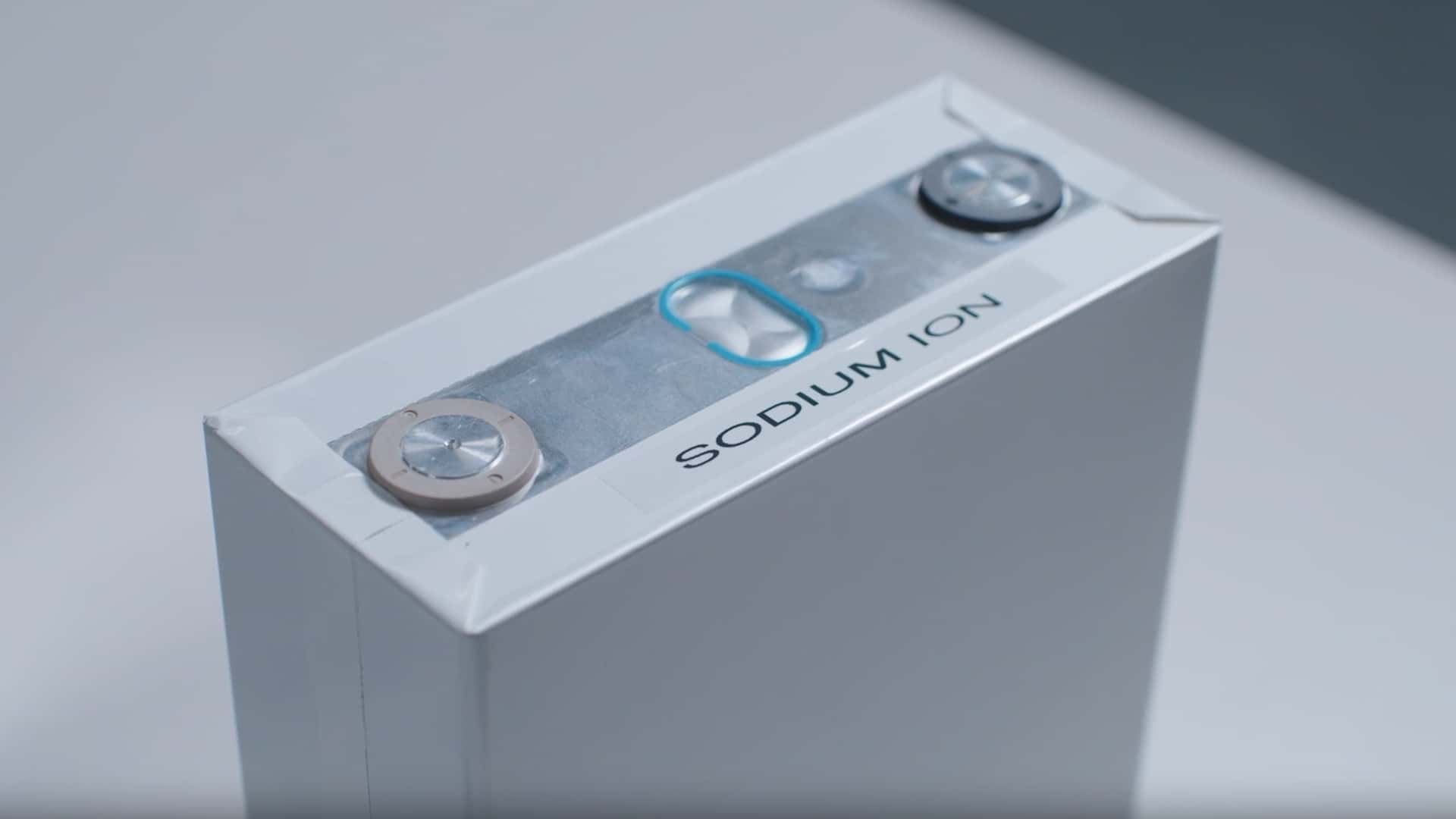
General Motors has announced a collaboration with U.S. startup Peak Energy to create sodium-ion batteries specifically for energy storage solutions. This move comes as electric vehicle sales fluctuate, prompting U.S. automakers to explore the growing market for energy storage, particularly due to increasing demands from AI data centers. GM Ventures will support this partnership, focusing on the development of sodium-ion cells through comprehensive material and component research this year, with prototyping slated to occur at GM’s Michigan battery lab.
According to Kurt Kelty, GM’s vice president of battery and sustainability, “We believe sodium-ion will be a defining chemistry for grid-scale energy storage systems in the years ahead.” Sodium-ion batteries replicate the energy storage and release capabilities of lithium-ion batteries but boast several significant benefits as raw materials. Sodium is 1,000 times more abundant than lithium and has a significantly lower environmental footprint. Additionally, GM highlights that sodium-ion cells can function across a more extensive temperature range with a longer lifecycle, enabling resilience in extreme conditions.
These batteries also simplify system design since they often require no active cooling, greatly reducing operational complexity and costs. Peak Energy has claimed to already install the first passively cooled grid-scale sodium-ion battery in Colorado, where it is engaged with various projects across the U.S. in collaboration with renewable energy companies to bolster sodium-ion battery deployment.
GM is diversifying its battery chemistry portfolio, now including sodium-ion in addition to its prismatic lithium manganese rich (LMR) cells and lithium-iron phosphate (LFP) batteries. The automaker’s foray into sodium-ion technology enhances the credibility of what was previously seen as an emerging and untested solution, particularly since LFP batteries currently reign in the energy storage market, with production mainly centered in China.
Though LFP technology has demonstrated reliability and cost-effectiveness, GM asserts improvements in LFP are reaching a plateau while sodium-ion still possesses significant growth potential. It’s important to note that Chinese manufacturers, such as CATL, have progressed significantly in sodium-ion technology, highlighting the competitive landscape.
While GM’s sodium-ion batteries are still a few years from large-scale production, the automaker’s Ultium Cells joint venture with LG Energy Solution is preparing to manufacture LFP batteries to meet immediate energy storage demands. Moreover, GM is partnering with Redwood Materials to repurpose 10,000 used EV batteries for data center power in Nevada and plans to deploy 100 second-life EV battery packs at a Michigan facility, which will provide 7.2 megawatts of energy, resulting in over $3 million in electricity savings.
Ultimately, GM’s latest initiative underscores the reality that a single dominant battery chemistry may not emerge. The future of batteries will likely depend on diverse chemistries tailored to specific applications, suggesting that flexibility in battery technology might be the most advantageous long-term strategy for automakers.
The content above is a summary. For more details, see the source article.









