


Key Takeaways
- Germany leads the EU in renewable electricity generation, with significant growth in plug-in solar installations.
- Battery storage systems are crucial for balancing energy supply and demand, preventing waste of produced solar energy.
- The EU’s outdated grid poses challenges for renewable energy deployment, highlighting the need for infrastructure improvements.
Renewable Energy Landscape in Germany
Germany has positioned itself as a frontrunner in renewable energy, generating more electricity from wind and solar than any other EU nation last year, accounting for over 25% of the EU’s total production. The country boasts 182 offshore wind projects and Europe’s largest solar park situated on a repurposed coal mine.
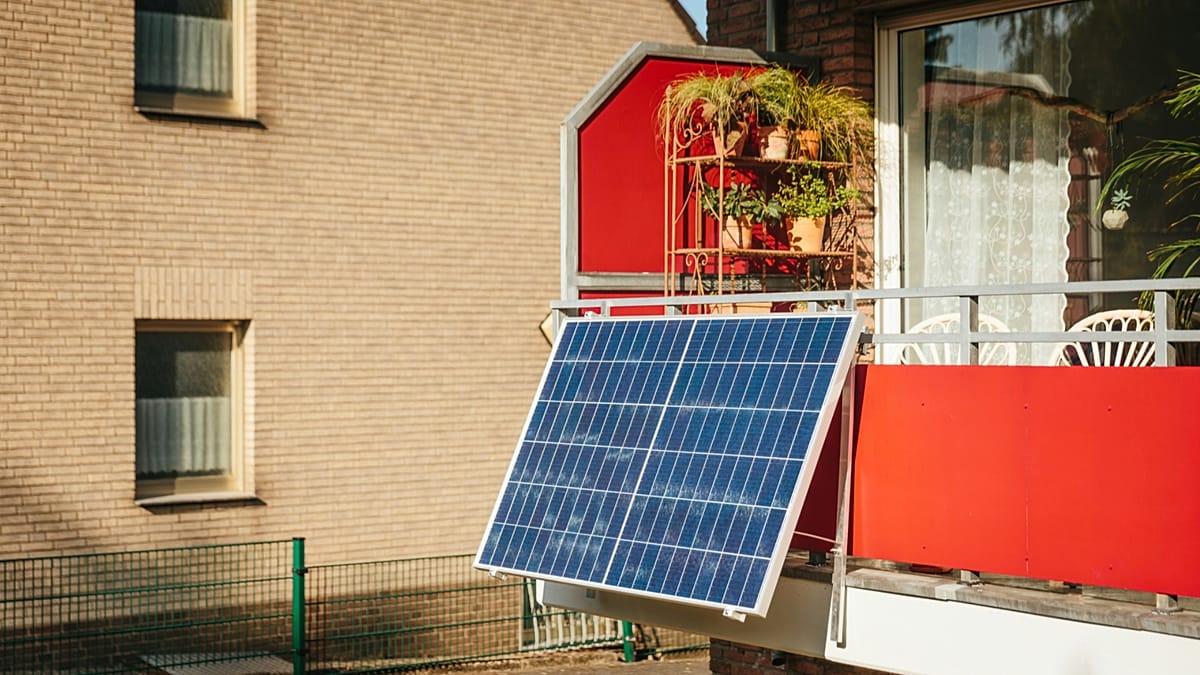
From 2022 to 2025, more than one million plug-in solar kits were installed, fueled by government incentives like feed-in tariffs and the elimination of VAT. These plug-in panels, which are more affordable at around €200, can be installed on balconies without the need for expensive setup, making them ideal for renters and unsuitable rooftops. By 2045, experts predict that plug-in solar could meet up to 2% of Germany’s electricity needs as the country aims for climate neutrality.
However, the surge in renewable energy faces obstacles due to an outdated grid system across Europe, risking over 120 GW of anticipated renewables if infrastructure does not improve. Germany also grapples with excess solar energy production on sunny days, leading to negative electricity prices as generators compete to avoid shutdowns, a phenomenon called curtailment.
The Role of Battery Storage
To address these challenges, battery storage systems play a pivotal role. As solar energy production peaks during the day but demand is lower, batteries can store excess energy for use in the evening when demand rises. This helps mitigate waste and alleviate pressure on the grid. Solar Power Europe emphasizes that enhancing grid flexibility is essential for advancing renewable energy progress.
The expansion of battery storage capacity in Germany has been notable, increasing from 21.8 GWh to 29.83 GWh since June 2025—an impressive 37% rise. This capacity is substantial enough to charge around 500,000 electric vehicles. Approximately 75% of Germany’s battery storage is from home systems, showcasing the consumer shift towards energy independence amidst rising fossil fuel prices.
Interest in energy autonomy has surged following geopolitical events, with consumers increasingly recognizing the benefits of integrating batteries with solar panels, heat pumps, and electric vehicles to insulate against market volatility. Last year, the EU added 27.1 GWh of new battery storage capacity, continuing a trend of consistent growth over the past dozen years, though it remains far from meeting all objectives outlined in renewable energy plans.
The content above is a summary. For more details, see the source article.









