


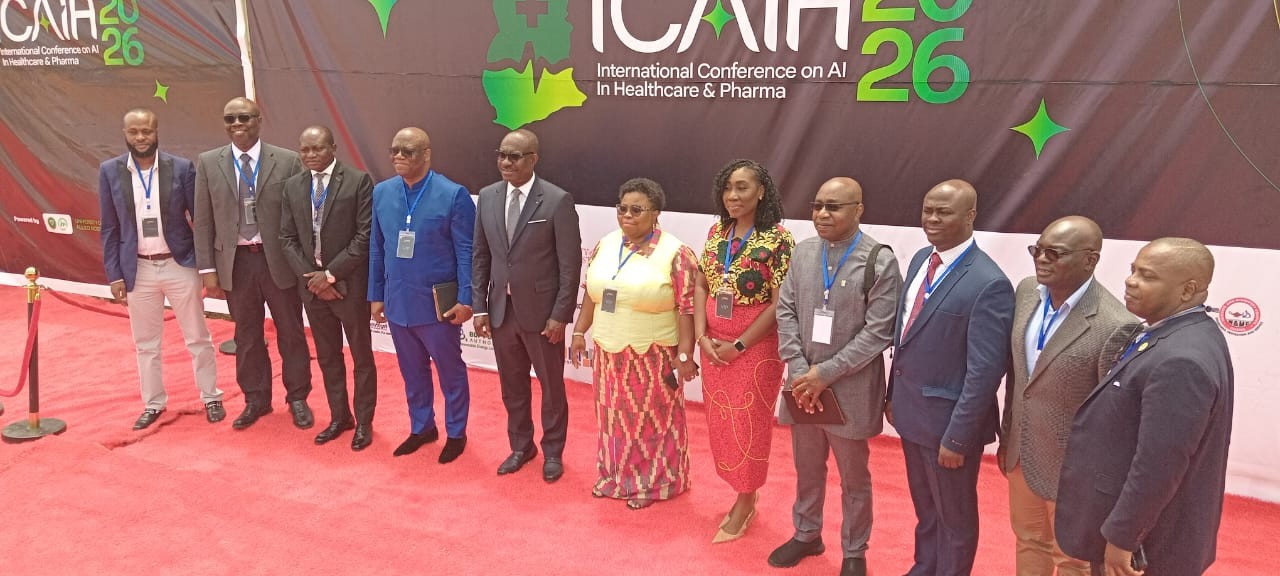
Key Takeaways
- Ghana aims to lead Africa in utilizing artificial intelligence (AI) for healthcare advancements.
- Dr. Donkor emphasizes the potential of AI in improving patient outcomes and healthcare efficiency.
- Collaboration between government, private sector, and academic institutions is essential for success.
AI in Healthcare Development
Dr. Donkor, a prominent figure in Ghana’s healthcare landscape, has highlighted the nation’s commitment to becoming a leader in artificial intelligence (AI) applications for health. He believes that the integration of AI into the healthcare system can significantly enhance patient care and optimize medical resources. The strategic use of AI has the potential to transform various aspects of healthcare delivery, leading to improved diagnoses, treatment plans, and patient management.
The Ghanaian government is actively fostering an environment conducive to AI development, encouraging partnerships across multiple sectors. Dr. Donkor noted that collaboration between the government, private entities, and academic institutions will be pivotal in harnessing AI’s capabilities. This joint effort could not only facilitate groundbreaking research but also ensure the practical application of AI technologies within healthcare settings.
In pursuit of this vision, several initiatives are already underway, focusing on training healthcare professionals in AI literacy and creating infrastructure to support AI systems. Dr. Donkor emphasized the importance of local expertise in developing solutions tailored to the unique challenges faced by Ghana and other African nations.
The advantages of AI in healthcare are vast. AI can streamline administrative processes, predict patient outcomes, and personalize treatment plans based on predictive analytics. The potential for AI-driven tools to assist in early diagnosis and preventative care can also lead to decreased healthcare costs and better health outcomes for the population.
However, challenges remain. Ensuring data privacy and security is a critical concern as AI systems often require extensive data access. There is also the need for regulatory frameworks to guide the ethical use of AI in medical contexts, ensuring that patients’ rights are protected.
Ghana’s push towards leveraging AI in health is also aligned with broader continental efforts aimed at digital transformation in Africa. By positioning itself as a pioneer, Ghana hopes to inspire and lead other African countries in adopting similar innovations, ultimately benefiting the continent’s healthcare systems as a whole.
Dr. Donkor’s call to action serves as a reminder of the untapped potential that exists within AI technologies in healthcare. As Ghana sets out on this journey, its success could serve as a blueprint for other nations aiming to integrate AI into their health services, promoting a more efficient, equitable, and effective healthcare future for Africa.
The content above is a summary. For more details, see the source article.









