


Key Takeaways
- Renewables and nuclear accounted for 40.9% of global power generation in 2024, marking a historic milestone.
- Solar power led with a record contribution of 474 TWh, becoming the fastest-growing power source for the 20th consecutive year.
- Clean energy growth is expected to outpace rising demand, signaling a potential decline in fossil fuel generation.
Record Growth in Renewable Energy
According to Ember’s latest Global Electricity Review, renewables and nuclear energy collectively made up 40.9% of the world’s electricity generation in 2024. This milestone is significant as it marks the first time since the 1940s that this figure has surpassed 40%. The report highlights that renewables added a remarkable 858 terawatt-hours (TWh) of electricity, representing a 49% increase over the previous high set in 2022.
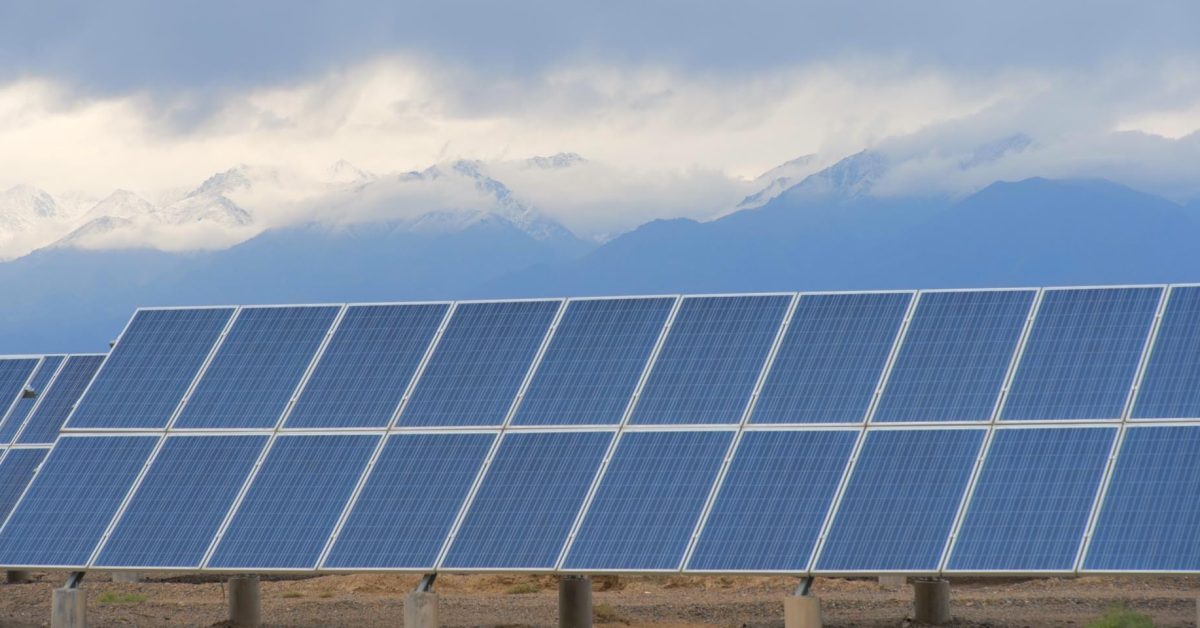
Solar energy has been at the forefront of this expansion, contributing 474 TWh to the global mix and achieving a 6.9% share of total generation. For the third consecutive year, solar has demonstrated exceptional growth, being the fastest-growing power source for two decades. In fact, solar power generation has doubled in just three years, surpassing 2,000 TWh in 2024.
Wind energy also experienced growth, comprising 8.1% of global electricity, while hydro remained stable as the largest renewable source at around 14%. Phil MacDonald, Ember’s managing director, emphasized the importance of solar power in the energy transition, stating, “Solar power has become the engine of the global energy transition.” He noted that paired with battery storage, solar is positioned as a major player in meeting increasing worldwide electricity demands.
Factors Influencing Power Demand
Ember’s analysis reveals that fossil fuel usage increased by 1.4% in 2024 due to high electricity demand, resulting in a 1.6% rise in global power sector emissions, reaching an all-time high. The primary driver behind this uptick was extreme heat, which prompted a surge in energy consumption for cooling. Without the impact of rising temperatures, fossil fuel generation would have risen only marginally.
Alongside climatic factors, the growing demand for electricity stemming from artificial intelligence, data centers, electric vehicles (EVs), and heat pumps has significantly contributed to global electricity demand growth, accounting for a 0.7% increase in 2024—twice the contribution from five years prior.
The Future of Clean Energy
The report points to a future where clean energy generation is anticipated to outpace the increase in demand, signaling the beginning of a sustained decline in fossil fuel reliance. The expected growth trajectory of clean energy sources is projected to meet a potential annual demand increase of 4.1% through 2030, exceeding current forecasts for demand growth.
MacDonald noted that while the rise of technologies such as AI and EVs will drive electricity needs, booming solar and wind resources are well-positioned to meet these demands effectively. Ember’s findings indicate that much of the solar expansion occurred in China, where clean generation satisfied 81% of the demand increase in 2024. Additionally, India saw solar capacity additions double from the previous year, highlighting the role of these two countries as leaders in the transition to renewable energy.
Professor Xunpeng Shi from the International Society for Energy Transition Studies commented on the crucial role Asia, especially China and India, plays in shaping the global power landscape. He remarked, “Their increasing reliance on renewables to power demand growth marks a shift that will redefine the global power sector and accelerate the decline of fossil fuels.”
The content above is a summary. For more details, see the source article.









