


Key Takeaways
- General Motors is partnering with Nvidia to enhance its autonomous vehicle technology and advanced driver assistance systems.
- Nvidia’s Drive AGX chip will power future GM vehicles, enabling advanced features like lane-keeping and adaptive cruise control.
- GM is emphasizing a cautious approach to automation, focusing on improving current systems rather than rushing to fully autonomous vehicles.
A New Era of Autonomy for GM
General Motors (GM) is making a strategic move to bolster its foray into artificial intelligence and automation through a partnership with Nvidia. This collaboration aims to develop the next generation of vehicles, factories, and robotics following the dissolution of GM’s Cruise robotaxi division in late 2024. By leveraging Nvidia’s advanced computing and AI capabilities, GM seeks to enhance its driver assistance technologies rather than go it alone in the rapidly evolving autonomous landscape.
At the heart of this partnership is Nvidia’s Drive AGX system-on-a-chip (SoC), which will be incorporated into future GM models. These high-performance chips are designed to support Level 2 and above advanced driver assistance systems (ADAS). Features enabled by this technology include critical functions such as lane-keeping and adaptive cruise control. Although GM has not disclosed the specific AGX chip it will utilize, Nvidia offers powerful options like the AGX Orin and the even more robust AGX Thor, capable of executing up to 1,000 trillion operations per second.
The complexity of self-driving technology necessitates substantial processing power to analyze real-time data collected from vehicle sensors, cameras, and radar systems. Nvidia’s chips excel at handling these demanding tasks, running sophisticated neural networks that enable vehicles to detect obstacles, devise optimal routes, and make driving decisions autonomously, albeit with some human oversight.
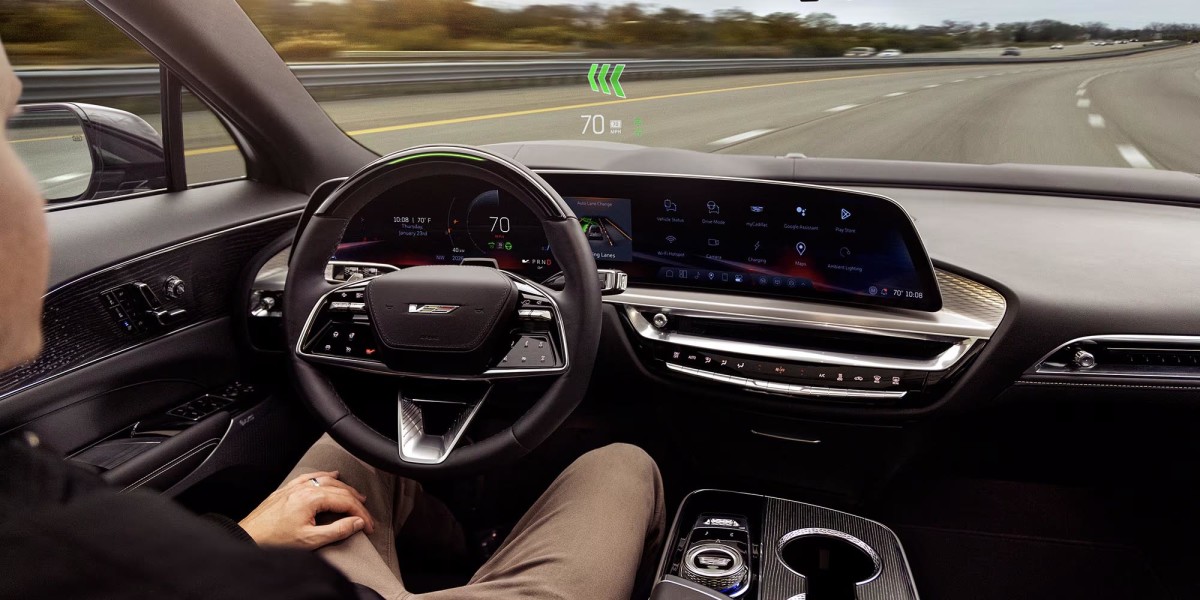
GM’s renewed commitment to AI-driven driving comes in the wake of the closure of its Cruise operations due to a notable accident that raised regulatory concerns and public doubts about the safety of autonomous vehicles. Instead of attempting to release fully autonomous vehicles imminently, GM will concentrate on refining its ADAS features, which require driver intervention while performing numerous driving tasks independently. The Super Cruise hands-free driving system, currently installed in over 360,000 vehicles, highlights consumer interest in advanced driving assistance, even if full autonomy is not yet realized.
In the broader landscape of self-driving technology, few firms have delivered fully autonomous vehicles for commercial use. Currently, Waymo leads the charge in offering robotaxi services on a large scale within the United States. Meanwhile, Tesla has plans to introduce its robotaxi service in Austin, although CEO Elon Musk’s timelines for achieving autonomous functionality have met with skepticism.
GM’s collaboration with Nvidia grants the automaker access to innovative AI solutions without necessitating the development of proprietary technology from the ground up. Nvidia is already ingrained in the self-driving domain, working with several notable automotive brands such as Toyota, Mercedes-Benz, and Volvo, which solidifies its standing as a key player in this competitive field.
While GM’s alliance with Nvidia underscores its dedication to automation, the timeline for consumers to experience these advancements remains uncertain. The company has yet to clarify whether these technological developments will be applied to consumer vehicles or future robotaxi services. Nevertheless, GM’s priority to enhance its ADAS features appears prudent, given its past challenges with Cruise.
As the race for self-driving cars continues to evolve, GM, backed by Nvidia’s AI expertise, is better positioned to remain competitive in the automation sphere, capitalizing on the demand for improved driver assistance as the industry navigates toward the future of autonomous driving.
The content above is a summary. For more details, see the source article.









