


Key Takeaways
- Texas is a leading state in renewable energy production, generating significant revenue from wind and solar projects.
- Opposition to renewable energy is increasing among Texas lawmakers due to reliability concerns and the influence of the fossil fuel industry.
- Many rural communities benefit from renewable energy, using lease payments to fund local improvements, even as political resistance grows.
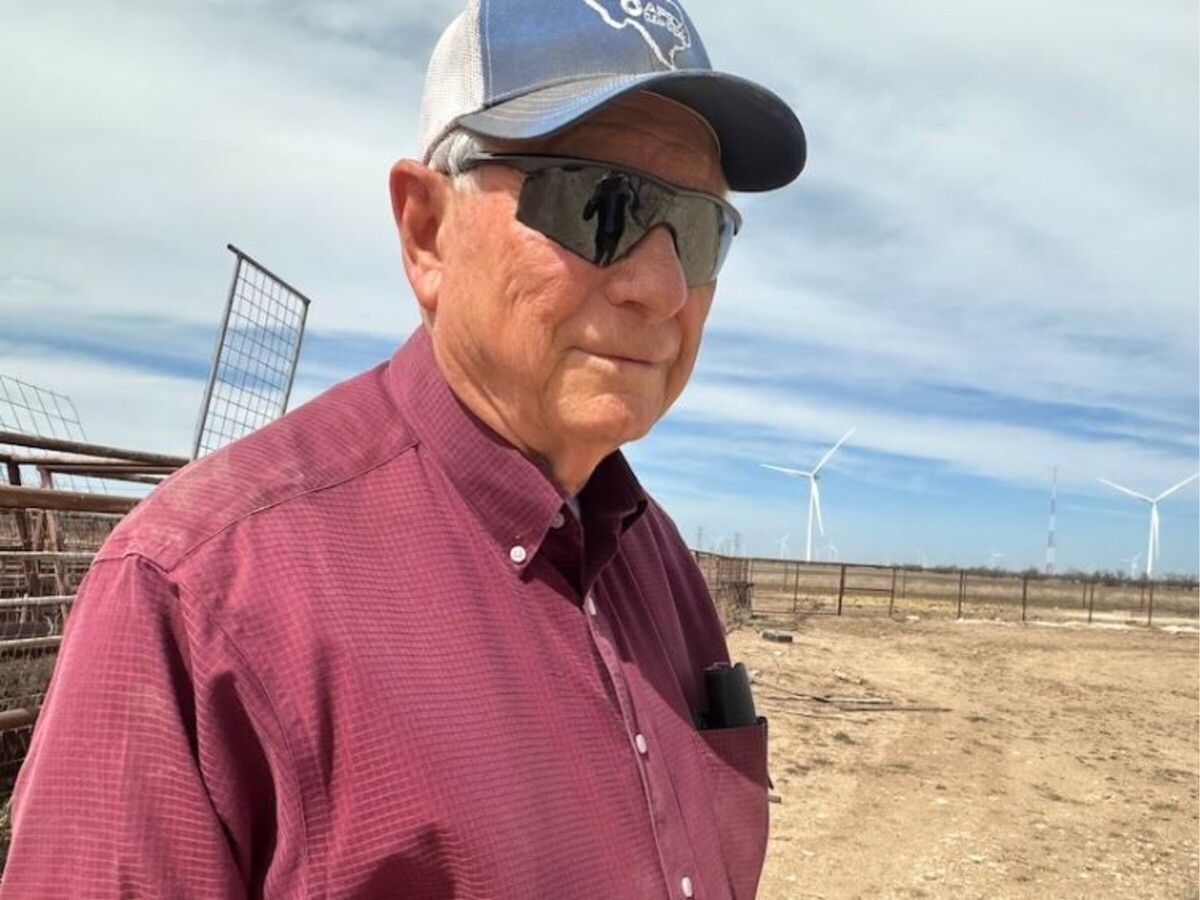
82-year-old George Neill maintains his West Texas ranch amidst wind turbines, symbolizing the state’s duality as a major oil and gas producer and a burgeoning leader in renewable energy. Texas has become the top U.S. generator of wind and solar power in 2023, providing crucial tax revenue for local governments and creating lease payments for landowners estimated at nearly $30 billion.
Despite this success, a political backlash is mounting against renewable energy projects in Texas. Many lawmakers have introduced measures to restrict future developments for the second consecutive legislative session. This shift can be traced back to several factors: the prior Trump administration’s aversion to renewables, concerns over the state’s electrical grid reliability, and aesthetic objections to wind and solar installations.
This rising opposition is not unique to Texas. Various states, including Oklahoma, Arizona, Ohio, and Missouri, are witnessing similar movements against renewable energy, often fueled by support from the oil and gas sector. For example, in Oklahoma, citizens rallied against new renewable projects, while Arizona lawmakers advanced measures that could effectively curb wind farm development significantly.
In Texas, Senator Lois Kolkhorst has reintroduced a bill requiring permits for new solar and wind projects, similar to what is already in place for fossil fuel sources. This proposal aims to address environmental and land use concerns but has faced criticism for potentially hampering renewable energy progress.
Ranchers and farmers are divided on the issue. While some see wind farms as a source of economic growth and stability—illustrated by community projects funded through tax revenue—others claim they threaten their rural way of life. Local representatives, like State Rep. Drew Darby, report that wind energy has positively impacted their districts, providing necessary funding for local schools and community improvements.
Despite the increasing political and social friction, Texas continues to pursue renewable energy projects, with significant legislative proposals on the table aimed at regulating their development while balancing local interests. As the opposition grows, the outcomes of these legislative sessions could shape the future landscape of renewable energy in Texas and beyond.
The content above is a summary. For more details, see the source article.









