


Key Takeaways
- Wind-solar hybrid systems combined with battery storage are vital for India’s energy transition.
- These systems provide continuous, reliable power and reduce operational costs for industries.
- Government support and technological advancements are fostering the growth of sustainable energy solutions.
India’s Energy Transformation
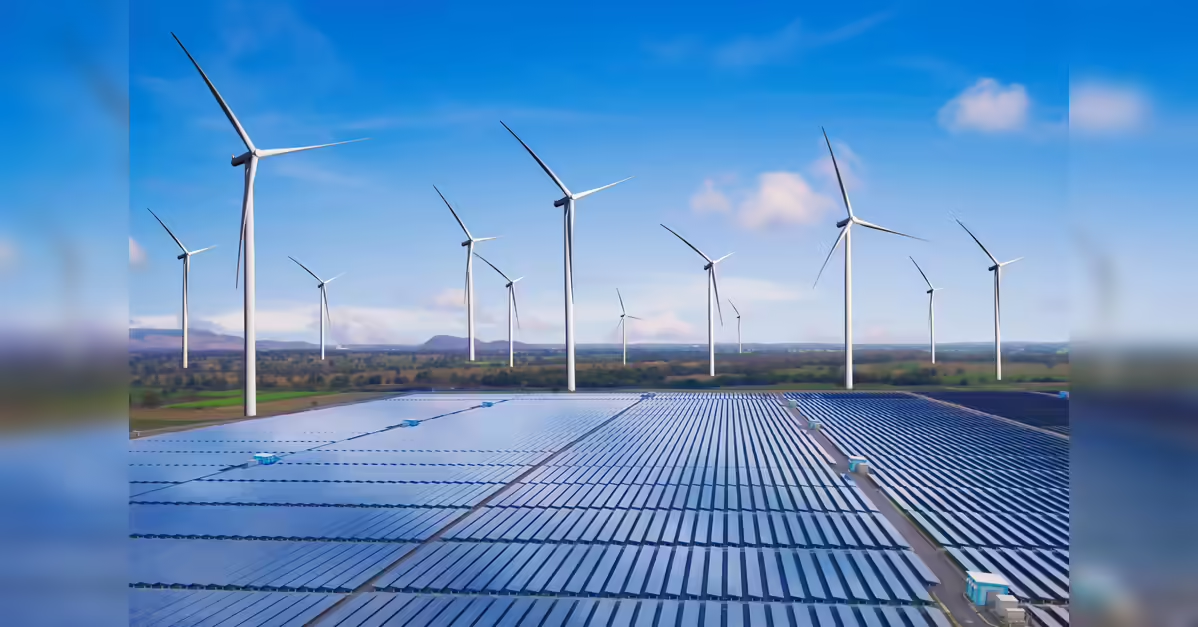
Wind-solar hybrid systems, particularly when integrated with advanced battery storage, are crucial for India’s energy transition. As global energy challenges rise, India is at a pivotal point in addressing environmental and economic needs. The climate crisis is impacting communities and industries across the country, intensifying the demand for sustainable energy solutions.
India’s rapid urbanization has led to heightened demands for electricity, heating, and cooling. Traditionally reliant on fossil fuels, the country acknowledges the pressing need to switch to cleaner, renewable energy sources. Wind-solar hybrid systems can meet this growing energy need while helping lower pollution and greenhouse gas emissions.
Industrial Transformation and Energy Needs
The industrial sector significantly contributes to India’s economy, accounting for around 17% of GDP and employing over 27 million individuals. As industries increasingly adopt digital technologies to improve competitiveness, they must also work towards decarbonizing their operations. This transition necessitates reliable and sustainable energy sources, as traditional renewable options may not always offer the required reliability due to variability in weather and energy demand patterns.
Relying solely on one energy source creates supply gaps. Hybrid systems that combine wind, solar, and battery storage are becoming more popular as they help stabilize the grid and reduce the need for polluting backup generators.
Advantages of Wind-Solar Hybrid Systems
Wind-solar hybrid systems present several benefits to industries:
- Continuous Power: By storing excess energy, these systems ensure electricity availability even during resource downtime, mitigating costly interruptions.
- Lower Costs: Businesses can minimize reliance on grid electricity and diesel generators, leading to reduced operating expenses amid fluctuating energy prices.
- Smoother Operations: Stored energy supports operations during peak demand periods, ensuring stable voltage and frequency, which is vital for sensitive manufacturing equipment.
- Stronger Grid: Hybrid systems enhance grid resilience and reduce energy waste.
Support and Future Developments
Recognizing the potential of hybrid systems, the Indian government introduced the National Wind-Solar Hybrid Policy in 2018, promoting the co-location of wind and solar projects with battery storage. By 2026, India aims for over 4 GW of large-scale hybrid capacity, with more projects on the horizon.
Blending wind and solar energy helps counteract intermittency, leading to a more reliable power supply. Innovations like floating solar panels are also enhancing efficiency and reliability.
A Sustainable Future
As India confronts an uncertain future, wind-solar hybrid systems present a viable solution for a sustainable industrial sector. They offer dependable, cost-effective power while creating economic growth and job opportunities. By embracing these advancements, Indian industry can foster both environmental stewardship and economic progress, paving the way for a better future.
The content above is a summary. For more details, see the source article.









