


Key Takeaways
- Heritable Agriculture, co-founded by Brad Zamft, utilizes AI and digital twins to revolutionize crop breeding processes.
- The company aims to dramatically reduce R&D timelines and costs, potentially introducing new crop varieties in just four years.
- Collaborations include major partners like Syngenta and funding from the Gates Foundation to improve crop development for smallholder farmers.
Overview of Heritable Agriculture
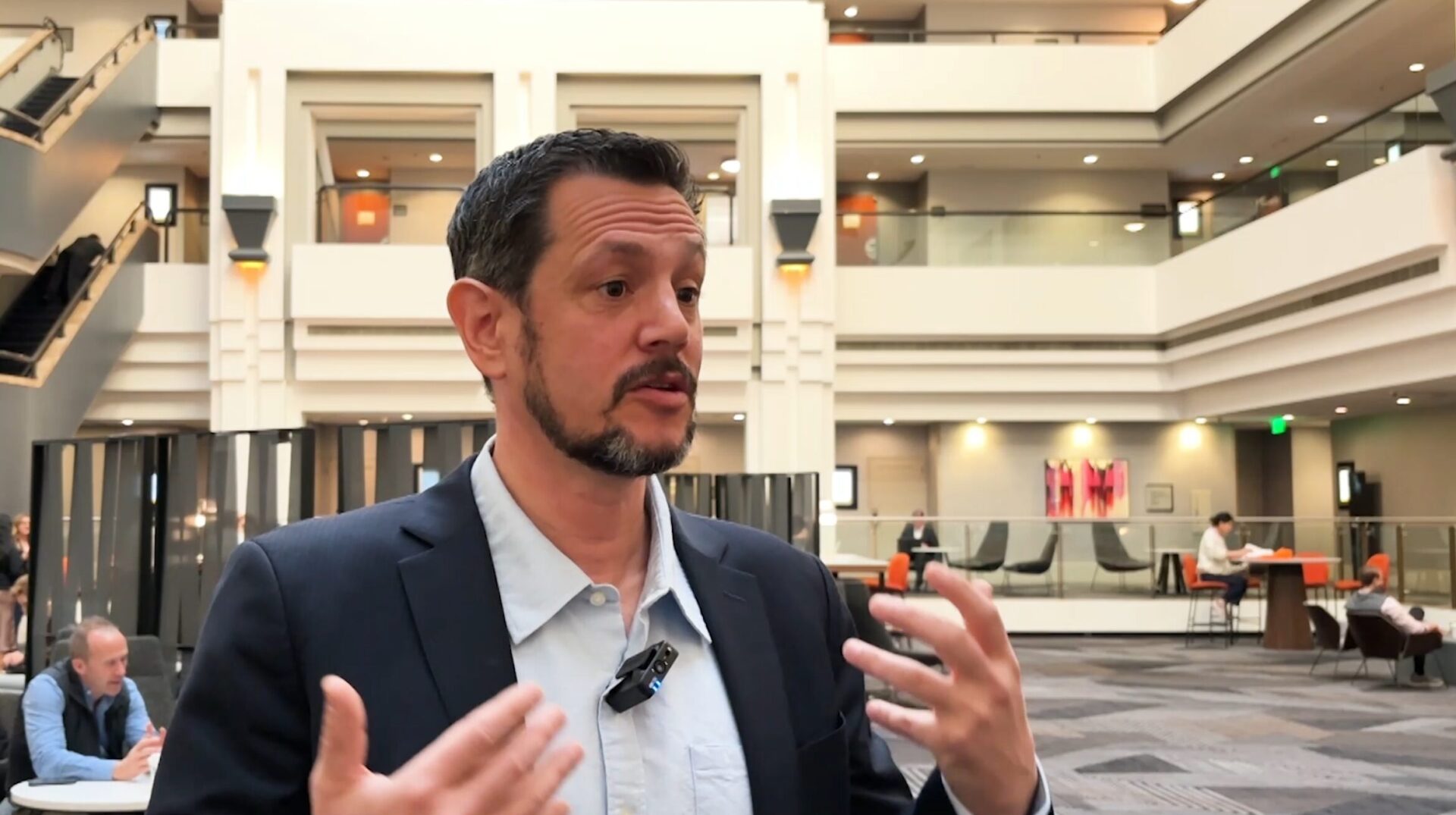
Brad Zamft, a theoretical physicist and entrepreneur at Heritable Agriculture—a spinout from Google X—aims to streamline plant breeding using advanced technology. The company leverages AI, genomics, and high-resolution environmental data, creating ‘digital twins’ of crops that simulate real plants in various field conditions. This comprehensive approach allows improved understanding of gene control and trait expression, which is vital for effective crop development.
Zamft explains that Heritable Agriculture provides a simulation platform that integrates weather and soil data with minute precision, allowing for accurate predictions of how crops will perform in different environments. Initial successes show that the company can accurately identify the genes responsible for particular traits and has validated their models through real-world plant testing.
Targeted Crops and Innovations
The focus of Heritable Agriculture extends beyond the heavily researched crops like corn and soybeans, into less explored species that hold significant promise for food production. By optimizing field trials and computational models, the company seeks to lower costs and shorten timelines for the development of various agricultural species.
Zamft notes that traditional breeding methods remain essential, especially for traits influenced by numerous low-effect genes. The company’s technology allows it to enhance traditional breeding processes while also facilitating gene editing for specific characteristics, enabling them to adapt to consumer and market demands.
Business Model and Partnerships
Heritable Agriculture’s business model includes licensing its software to other breeders and engaging in trait licensing partnerships, generating royalties based on improved traits. One notable collaboration is with Red Sun Farms to develop a new strawberry variety, focusing on traits such as yield, disease resistance, and consumer preferences like flavor and color.
The company has established partnerships with organizations including Syngenta and KWS, and has received a $5 million grant from the Gates Foundation aimed at improving corn for smallholder farmers in Sub-Saharan Africa.
Technological Drivers
Three key technological advancements are driving Heritable Agriculture’s mission to reduce costs and accelerate timelines in crop development. First, the dramatic decrease in DNA and RNA sequencing costs has unlocked vast amounts of biological data. Second, advancements in drone and satellite technology facilitate real-time environmental monitoring. Finally, AI synthesizes these various data types, helping separate useful signals from noise, leading to more effective decision-making in agricultural practices.
Zamft optimistically asserts that the R&D timeline for new crops could be compressed significantly. A bold prediction suggests that a new variety could reach supermarket shelves within four years for just a few million dollars, a substantial decrease from the current industry norm of a decade and upwards of $100 million for crop improvement.
The content above is a summary. For more details, see the source article.









