


Key Takeaways
- The House Committee on Transportation and Infrastructure has moved to permanently eliminate unobligated funds from the $3.2 billion Neighborhood Access and Equity program.
- Approximately $3.1 billion of the program remains unallocated, impacting 78 projects that aim to enhance community connectivity and safety.
- Organizations like Transportation for America warn that this action could significantly hinder initiatives designed to support underserved communities nationwide.
Legislation Moves to Cut Funding for Community Projects
The House Committee on Transportation and Infrastructure recently advanced a bill to permanently rescind unobligated funds from the Neighborhood Access and Equity (NAE) program. Established by the Inflation Reduction Act of 2022, this program received $3.2 billion to support community projects focused on enhancing walkability, safety, and affordable transportation options, particularly in marginalized areas. According to an analysis by Transportation for America, as of April 29, 2023, $3.1 billion of the program’s fund remains unobligated.
Under the proposed legislation, 78 projects that received grants could lose their funding if the bill passes. Notable projects at risk include the Chicago Transit Authority’s anticipated $111 million for upgrades to rail track, a $2.6 million grant awarded to Tucson, Arizona, for creating safer routes for pedestrians and cyclists that connect multiple parks and schools, and a $13.6 million project in Baton Rouge, Louisiana, aimed at establishing a multi-use path linking neighborhoods to public transit.
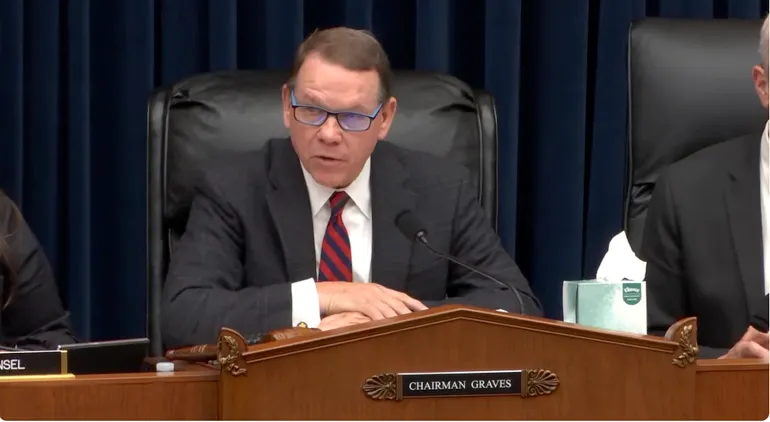
Representative Jesús García, D-Ill., highlighted the significance of these grants during a committee meeting on April 30. He noted that the NAE program was designed to help reconnect communities severed by transportation infrastructure in previous decades, stating, “It’s not just urban areas that stand to lose.” He emphasized that rural projects in states like Montana and Oklahoma could also miss out on vital funding that would provide safer connections for underserved populations.
The NAE program aligns with the Reconnecting Communities Pilot program, a separate $1 billion initiative created under the 2021 Infrastructure Investment and Jobs Act (IIJA). Unlike the NAE program, projects funded by the IIJA are considered at lower risk of facing budget cuts. Transportation for America has expressed concern that abolishing the pending projects under the NAE program would result in a significant setback for communities nationwide, emphasizing the program’s vital role in fostering equitable transportation solutions.
This legislative move has drawn scrutiny from various stakeholders, who argue that the loss of funding would impede important community revitalization efforts aimed at enhancing connectivity and accessibility for those historically marginalized. The bill’s advancement reflects broader discussions on how to prioritize infrastructure improvements that equitably benefit all communities, particularly those in need of greater attention and resources.
As the situation develops, the implications of this proposed bill could resonate across many U.S. communities that depend on the funding to implement necessary infrastructure enhancements. Stakeholders and advocacy groups will likely continue to advocate for the preservation of these vital funds as the legislative process unfolds.
The content above is a summary. For more details, see the source article.









