


Key Takeaways
- Major tech companies like Apple, Google, and Samsung are investing in advanced health tracking technologies and wearable devices.
- Health data from wearables is primarily stored on cloud platforms, utilizing NoSQL databases for efficient management and processing.
- Future innovations, such as blockchain and AI, are poised to enhance data privacy and generate personalized health insights from the collected information.
Advancements in Health Technology
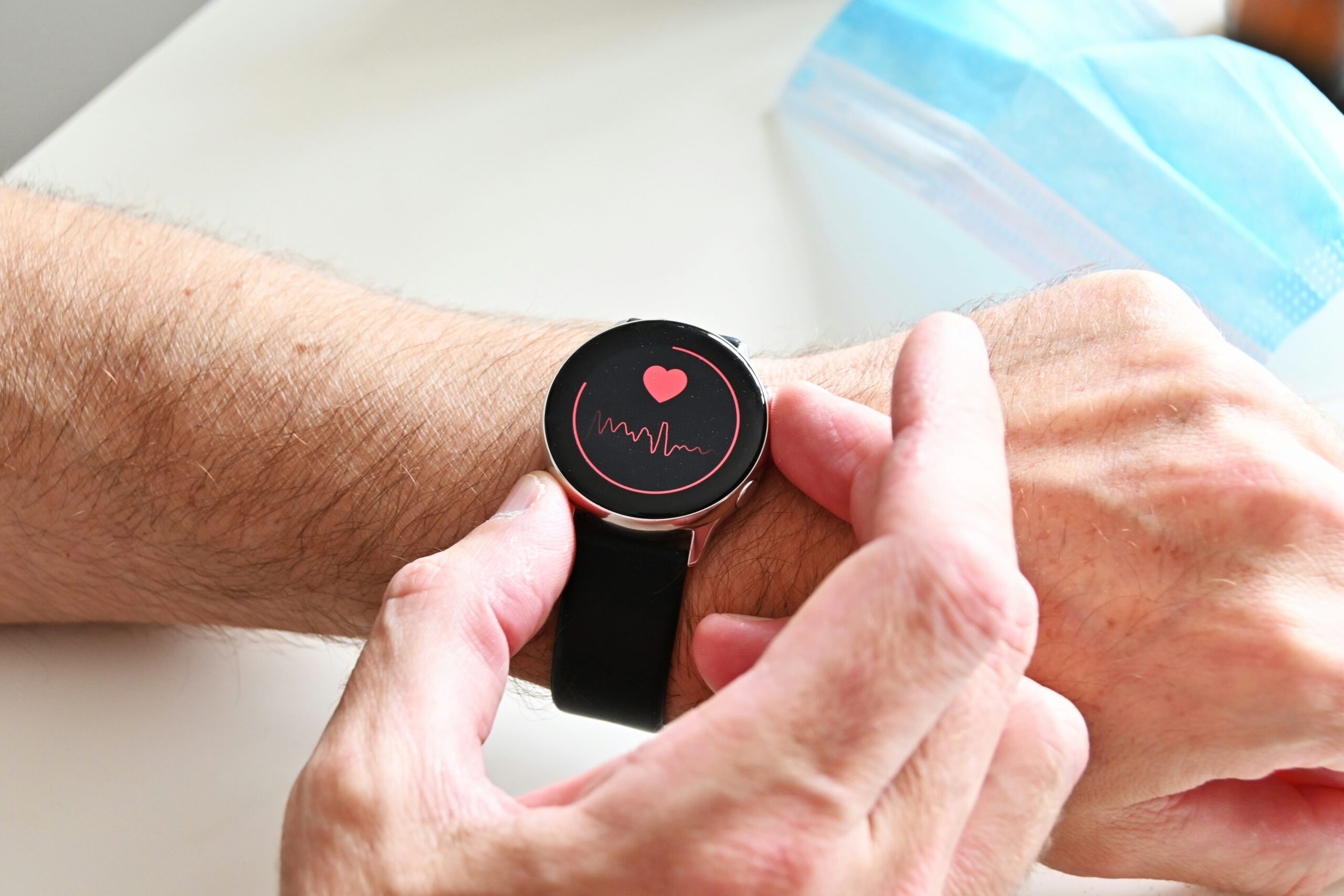
The healthcare sector has seen a rapid technological evolution in recent years, changing how patients monitor their health and how medical professionals deliver care. Companies like Apple are enhancing the functionality of health devices like the Apple Watch, while Google is improving its health technology offerings through Fitbit and AI initiatives. Samsung is also exploring AI features for personalized health guidance in its wearables.
As reliance on smartwatches and fitness trackers grows, questions arise about the management of health data collected by these devices. The collected data—spanning from heart rate to sleep cycles—is stored using sophisticated cloud systems and databases to ensure efficiency and accessibility.
How Health Data is Managed
Cloud platforms are pivotal for storing health information. Rather than keeping data directly on devices, wearables temporarily collect data before syncing it with smartphone apps and cloud services. This method allows access to extensive historical health data across various devices.
Additionally, NoSQL databases are increasingly utilized for health information management. Unlike traditional databases, NoSQL systems can efficiently handle large volumes of rapidly changing, semi-structured data, making them ideal for the continuous data generated by fitness trackers.
Mobile applications also raise privacy considerations as they collect and display significant personal information. Users must be aware of privacy settings and data-sharing policies since data can be stored both locally and on external servers.
The Role of Emerging Technologies
The potential of blockchain technology for managing health data is gaining attention. Unlike conventional systems that centralize information, blockchain offers a distributed approach that enhances privacy and security. This could empower users with greater control over their data while ensuring its integrity.
Artificial intelligence is also transforming how health data is utilized. With advancements in AI and machine learning, stored data can be analyzed to reveal trends and insights that aid users in managing their wellness. These intelligent systems can offer tailored recommendations based on historical health data.
As health trackers evolve, understanding data storage methods becomes crucial for consumers, as this data represents a detailed account of their daily lives. As investments in health technology surge, ensuring robust data management and privacy practices will be essential for both users and tech companies alike.
The content above is a summary. For more details, see the source article.









