


Key Takeaways
- Smart home devices are increasingly popular, offering convenience, energy efficiency, and enhanced security.
- Examples include smart lighting, thermostats, security cameras, and voice-activated assistants, all designed for remote and automated control.
- Concerns include privacy risks and compatibility issues, but advancements in technology promise a brighter future for smart home integration.
The Rise of Smart Home Technology
Smart home technology has shifted from niche to mainstream over the past decade, thanks to advancements in the Internet of Things (IoT) and the widespread use of smartphones. These devices deliver practical benefits like automation, remote control, and energy management, appealing to consumers’ needs for convenience and security, particularly in busy lifestyles. The affordability of these technologies further promotes their adoption.
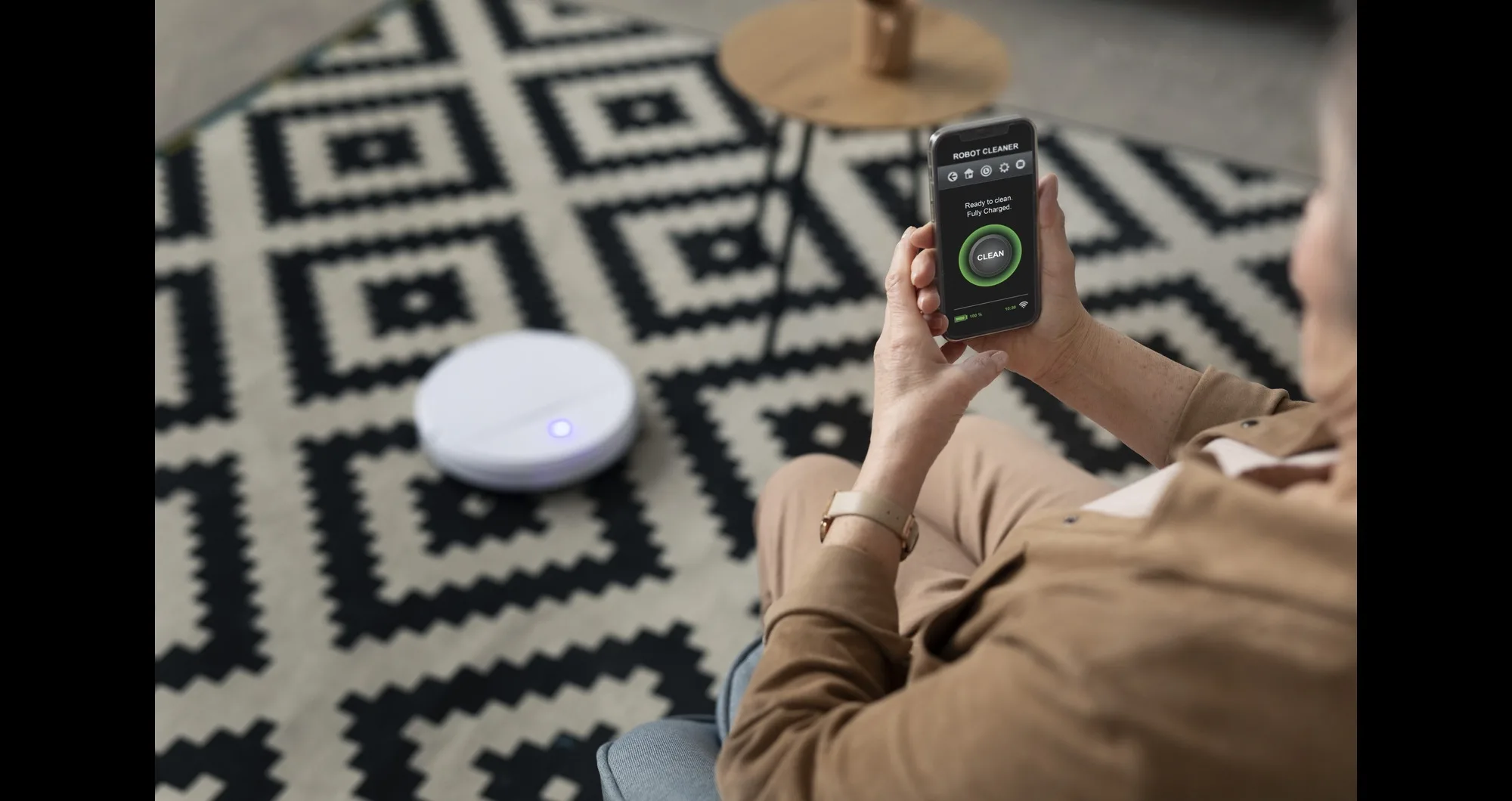
Smart home devices facilitate automation and control of various household systems, including smart lighting, thermostats, security cameras, and voice-activated assistants. They typically function through internet connectivity, allowing centralized management via smartphones or voice commands.
Key types of devices include:
-
Smart Security Solutions: Enhanced home security features, like real-time video feeds and facial recognition, significantly improve safety.
-
Smart Lighting Systems: These allow users to adjust brightness and color remotely, contributing to energy efficiency.
- Smart Thermostats: By learning user habits, these devices optimize heating and cooling, leading to reduced energy bills.
While smart plugs and voice-activated assistants add convenience, the overall impact of smart home devices extends beyond functionality, improving quality of life through time-saving automation and energy efficiency.
However, there are concerns regarding privacy and data security, as well as compatibility issues among different brands. Experts recommend taking security precautions and conducting thorough research for seamless device integration. As discounts and promotions emerge, upgrading to smart technology is becoming more accessible.
Looking forward, advancements in AI and machine learning are expected to make smart home devices even more intuitive, transforming smart homes from a novelty to the standard of living in the future.
The content above is a summary. For more details, see the source article.









