


Key Takeaways
- The Future City project near Mucherla aims to become India’s first net zero carbon city, integrating eco-friendly practices.
- Public-private collaboration with the IGBC will ensure adherence to global green building standards, focusing on sustainability and advanced industries.
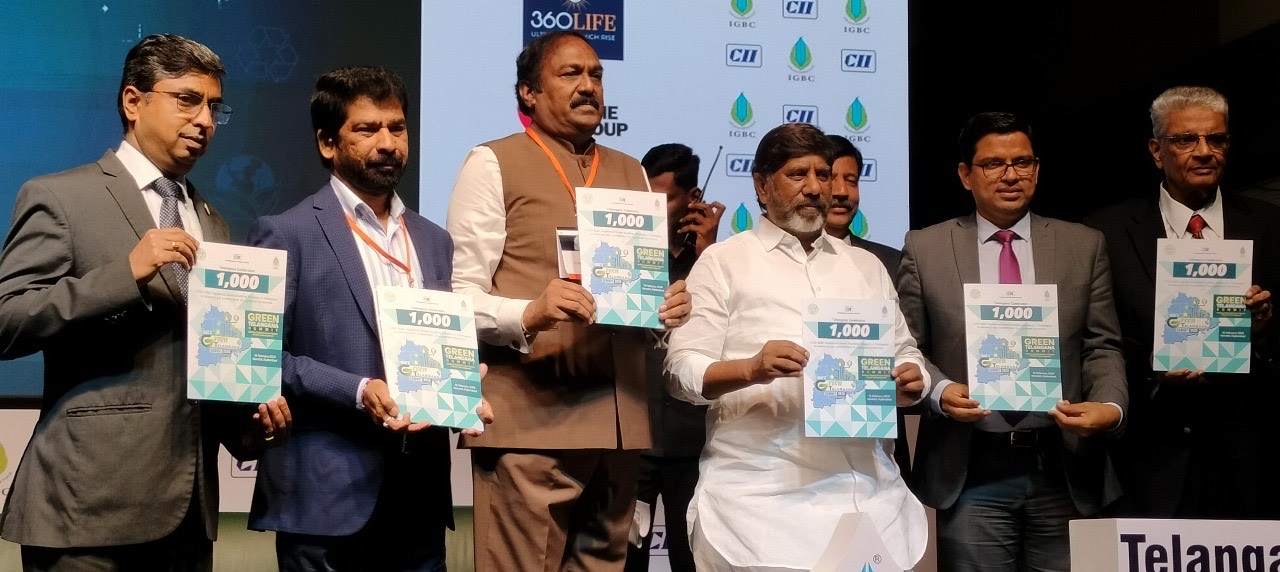
- The Green Telangana Summit 2025 emphasized the importance of sustainable practices, recognizing numerous green projects and initiatives across the state.
Future City Project Announcement
Hyderabad’s ambitious Future City project near Mucherla has been unveiled as India’s first net zero carbon city. This flagship initiative, led by Chief Minister A. Revanth Reddy, emphasizes the integration of eco-friendly urban practices. Announced at the Green Telangana Summit 2025, the project is initiated through a memorandum of understanding (MoU) between the Telangana Industrial Infrastructure Corporation (TGIIC) and the Indian Green Building Council (IGBC), ensuring compliance with global sustainability standards.
Strategically located about 25 kilometers from Shamshabad airport, Future City will focus on key sectors including artificial intelligence, advanced manufacturing, medical tourism, data centers, electric vehicles, and life sciences. The city is envisioned to include significant infrastructure such as metro rail connectivity, specialty hospitals, a cricket stadium, and a skill development university to promote a well-rounded, sustainable urban environment.
Dr. E. Vishnu Vardhan Reddy, Special Secretary for Industries and Commerce, highlighted Telangana’s proactive policy measures that foster industry evolution. He stated, “Our vision is to exceed India’s green and net zero goals,” underscoring the government’s commitment to sustainable development.
The Green Telangana Summit also recognized 1,000 IGBC-registered projects aimed at reaching green and net zero standards, showcasing landmarks like Secunderabad railway station, Capgemini Hyderabad, and Genpact in Uppal. The IGBC Green Crusaders initiative was a focal point, reporting 52 registered projects encompassing 163 million square feet targeting sustainability.
The summit included panel discussions addressing sustainable urban planning, the evolution of smart cities, and the use of green building materials. Key topics included innovations in low-carbon concrete, the establishment of net-zero energy buildings, and principles of the circular economy. C. Shekar Reddy from the IGBC emphasized the urgency for action, noting that buildings currently account for 35 percent of India’s energy consumption. The commitment to sustainable practices is critical in transforming urban designs and ensuring a greener future for the region.
The content above is a summary. For more details, see the source article.









