
Key Takeaways
- Hyundai’s investment in a large U.S. factory and localized production strategy could insulate it from U.S. tariff impacts under the Trump administration.
- The company plans to increase its U.S. investments by $20 billion, including a steel plant in Louisiana, to support electric vehicle manufacturing.
- Concerns about new tariffs on the auto industry have eased, reducing potential price increases for vehicles and boosting confidence among automakers.
The Hyundai Motor Group, after a strong showing in U.S. electric vehicle (EV) sales, is now reassessing its strategy in light of the changing political landscape under the Trump administration. The company’s massive $8 billion investment in the U.S. could face uncertainty due to proposed cuts to federal EV support and a rollback of strict fuel economy rules. However, Hyundai’s leadership, particularly newly appointed CEO Jose Muñoz, remains optimistic, asserting that the company’s dedication to local manufacturing and its “localization strategy” will help protect it from potential policy shifts.
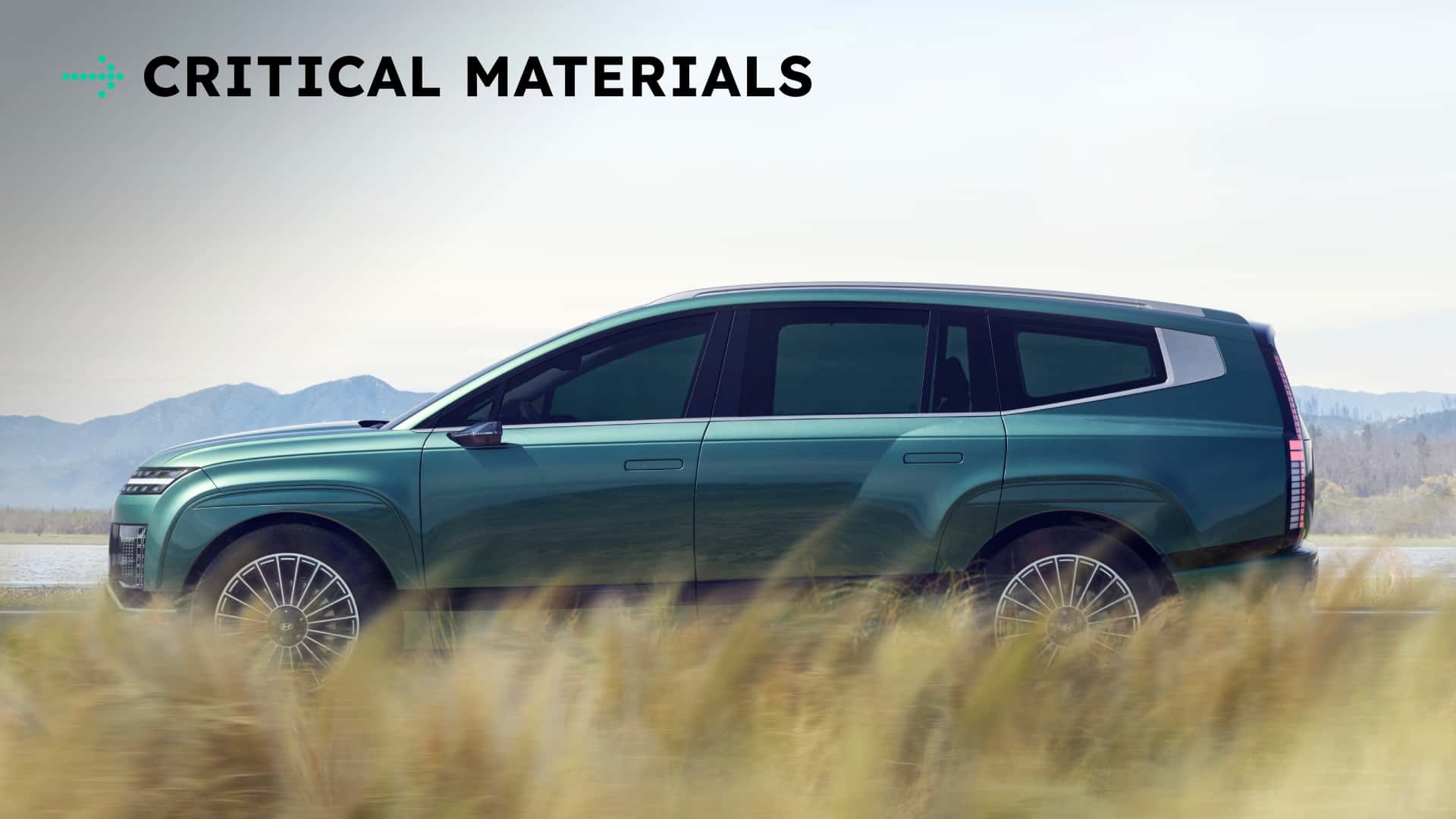
Hyundai’s new factory in Georgia, spanning over 16 million square feet, is designed to produce the redesigned Ioniq 5 and new Ioniq 9 electric SUVs. While the factory’s initial operations began late last year, its official opening is planned for this week. In addition to these models, Hyundai is exploring hybrid production as well, which may help cushion it against any declines in fully electric vehicle sales.
As part of its ongoing commitment to the U.S. market, Hyundai is reportedly planning to announce an additional $20 billion investment, including a significant $5 billion steel plant in Louisiana. This facility aims to create around 1,500 jobs and will manufacture advanced steel for EV components. This strategic move is expected to support Hyundai’s manufacturing capabilities while reducing reliance on imports, potentially shielding the company from tariff-driven price hikes.
The overall automotive landscape is experiencing significant volatility, particularly concerning tariffs. The Trump administration’s plans for new tariffs have led to uncertainty across the industry. Originally slated to take effect on April 2, these tariffs may target a range of sectors, including automotive. However, recent reports suggest that the White House might exclude the auto sector from specific tariffs, leading to a rise in stock prices for affected companies and easing some fears about increased production costs.
As automotive markets continue to evolve, the focus has also shifted towards artificial intelligence within vehicles. In China, the adoption of AI technology in cars is accelerating, appealing to local consumers who are keen on in-car enhancements. Notably, the state-owned Dongfeng Motor Group is utilizing the AI capabilities of DeepSeek in its models, which could mark a significant trend for the industry. Other companies, such as BYD, are also considering AI features to remain competitive.
The intersection of American automotive policy, international trade dynamics, and emerging technologies poses complex challenges and opportunities. Companies like Hyundai appear well-positioned to leverage their investments in local manufacturing and innovative technologies to meet evolving market demands, even amidst shifting political climates and public perception around electric vehicles.
The content above is a summary. For more details, see the source article.