

Key Takeaways
- India and Israel seek a Free Trade Agreement (FTA) to enhance economic ties and eliminate trade barriers.
- Bilateral trade has soared from $200 million in the early 1990s to over $10 billion, largely driven by defense, diamonds, and technology sectors.
- An FTA could significantly boost trade volume, with estimates suggesting it could reach $20 billion by 2030, benefiting both nations’ economies.
Growing Economic Partnership
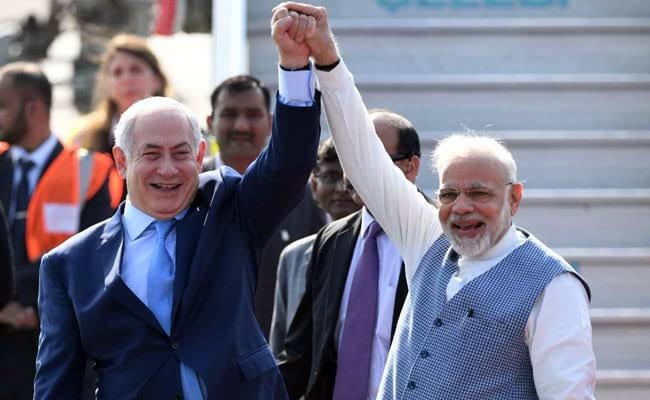
India and Israel have developed a strong strategic partnership, founded on shared democratic values, defense cooperation, and expanding economic relations. Despite significant collaboration over three decades, the two nations have yet to establish a Free Trade Agreement (FTA), which could be transformative for their economic interaction. An FTA would help eliminate trade barriers, reduce tariffs, and foster an environment conducive to investments and joint ventures, particularly in key sectors such as defense, agriculture, renewable energy, and technology.
The trade relationship between India and Israel has witnessed remarkable growth since diplomatic ties were formalized in 1992. Bilateral trade, excluding defense, surged to over $10 billion from a mere $200 million. Defense trade is particularly noteworthy, as Israel ranks among India’s top three arms suppliers with annual deals exceeding $2 billion, including advanced systems and technologies. Diamonds play a significant role in this trade, with India exporting polished diamonds while importing rough stones from Israel. Additionally, Israel’s agri-tech innovations have enhanced Indian agricultural practices through over 30 established Centers of Excellence focused on sustainable farming techniques.
While the existing trade framework is robust, challenges such as high tariffs and regulatory barriers hinder further potential growth. The absence of an FTA limits the capacity for increased economic engagement. A study by the Federation of Indian Chambers of Commerce and Industry (FICCI) predicts that an FTA could potentially double bilateral trade to $20 billion by 2030, offering Indian pharmaceutical, agricultural, and textile sectors better access to Israeli markets, while reducing import duties for Israeli high-tech products.
Israel’s reputation as the “Startup Nation” aligns well with India’s ambitions for technological collaboration, especially given the focus on semiconductor technology and AI. The two nations could mutually benefit from each other’s capabilities in medical devices and agriculture technology, critical for enhancing India’s healthcare and dealing with water scarcity challenges.
To actualize this potential, both countries must navigate challenges related to trade imbalances and regulatory harmonization. Successful FTAs, such as India’s deal with the UAE, illustrate the feasibility of beneficial agreements. A focus on maintaining open communication between the nations regarding tariffs, market access, and regulatory frameworks is vital.
An FTA between India and Israel stands to strengthen not just their economic ties but also their strategic partnership across various sectors. With the global economic landscape rapidly changing, pursuing this agreement is increasingly essential for both nations to enhance their roles in the global economy. Fast-tracked negotiations and the establishment of a Joint Economic and Trade Committee will be crucial in transforming this vision into reality, paving the way for mutual prosperity and innovation-driven growth.
The content above is a summary. For more details, see the source article.