


Key Takeaways
- Over 20 lakh households have installed rooftop solar systems under the PM Surya Ghar Muft Bijli Yojana, with plans for 30 lakh more.
- The scheme aims to provide solar installations for one crore beneficiaries nationwide.
- India has achieved nearly 251.5 GW of installed renewable energy capacity, with a target of 550 GW by 2030.
Progress on Rooftop Solar Initiatives
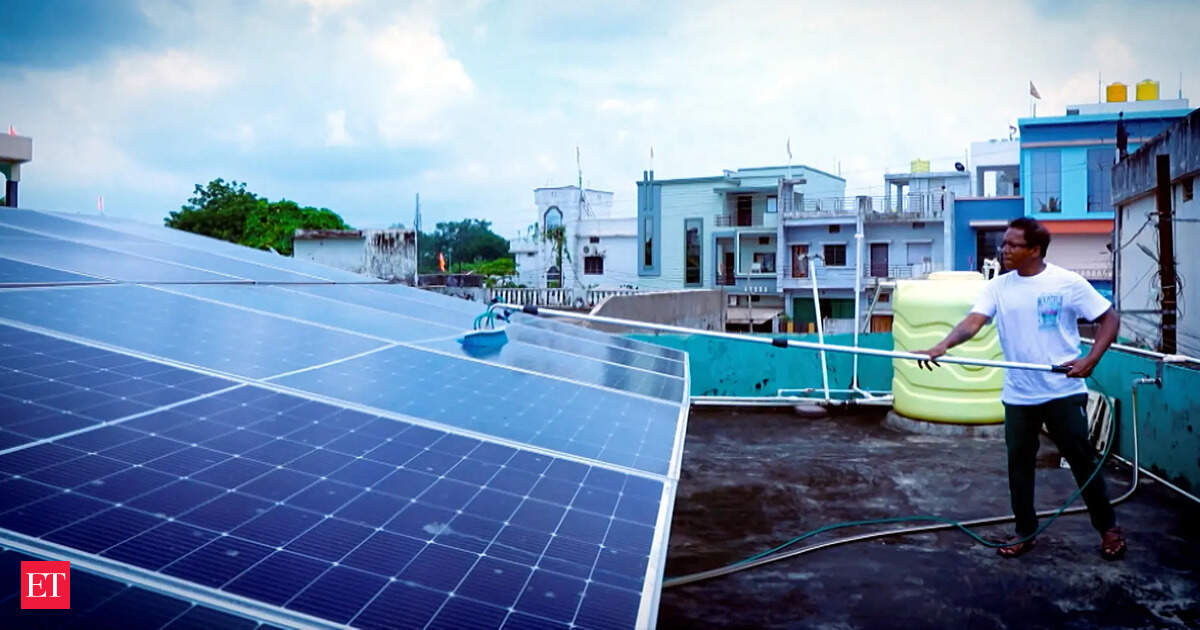
The PM Surya Ghar Muft Bijli Yojana has successfully installed rooftop solar systems in over 20 lakh households across India, with New & Renewable Energy Minister Pralhad Joshi announcing plans to add another 30 lakh beneficiaries soon. The precise timeline for reaching the halfway milestone of one crore beneficiaries remains unspecified. During the launch of a state review meeting for the PM Surya Ghar Muft Bijli Yojana and PM-KUSUM schemes, Joshi highlighted the importance of swift implementation and encouraged states to actively engage in maximizing the scheme’s benefits.
Joshi noted that many states, including Andhra Pradesh, are keen to move forward with rooftop installations. An approved utility-led model aims to assist those without rooftops, facilitating further expansions of solar energy programs. He emphasized that the scheme operates on a demand-driven basis, with benefits being allocated on a first-come, first-serve model. As a result, approximately half of the beneficiaries under the PM Surya Ghar scheme are experiencing zero electricity bills, showcasing a sustainable approach to energy relief.
The minister also acknowledged challenges related to compliance, grid connectivity, and licensing procedures, urging states to adopt a more proactive stance in addressing these issues. On the renewable energy front, India has successfully installed around 251.5 GW of non-fossil fuel-based capacity, with an ambitious target of reaching 550 GW by 2030. Joshi indicated that an additional 248 GW must be installed over the next five years, framing it as both a challenge and an opportunity for the sector.
In light of these developments, Joshi pointed out that India currently possesses a module manufacturing capacity of 100 GW, with investments exceeding Rs 50,000 crore, leading to over 12,600 direct employments. Aiming for self-sufficiency, the ministry plans to localize solar cell production by 2028, followed by the manufacture of wafers and ingots, facilitating a complete solar value chain within India.
The second phase of the PM-KUSUM scheme, dubbed PM-KUSUM 2.0, is already in the works, pending approval from the Union Cabinet. This phase is anticipated to launch following the conclusion of the current phase in March 2026.
Furthermore, the recent reduction of the GST on renewable energy equipment and services from 12% to 5% is expected to make solar, wind, biogas, and waste-to-energy technologies more affordable, encouraging states to promote these initiatives more vigorously. Minister Joshi expressed confidence that the reduction would aid in increasing the adoption of renewable energy solutions across the country.
The content above is a summary. For more details, see the source article.









