


Key Takeaways
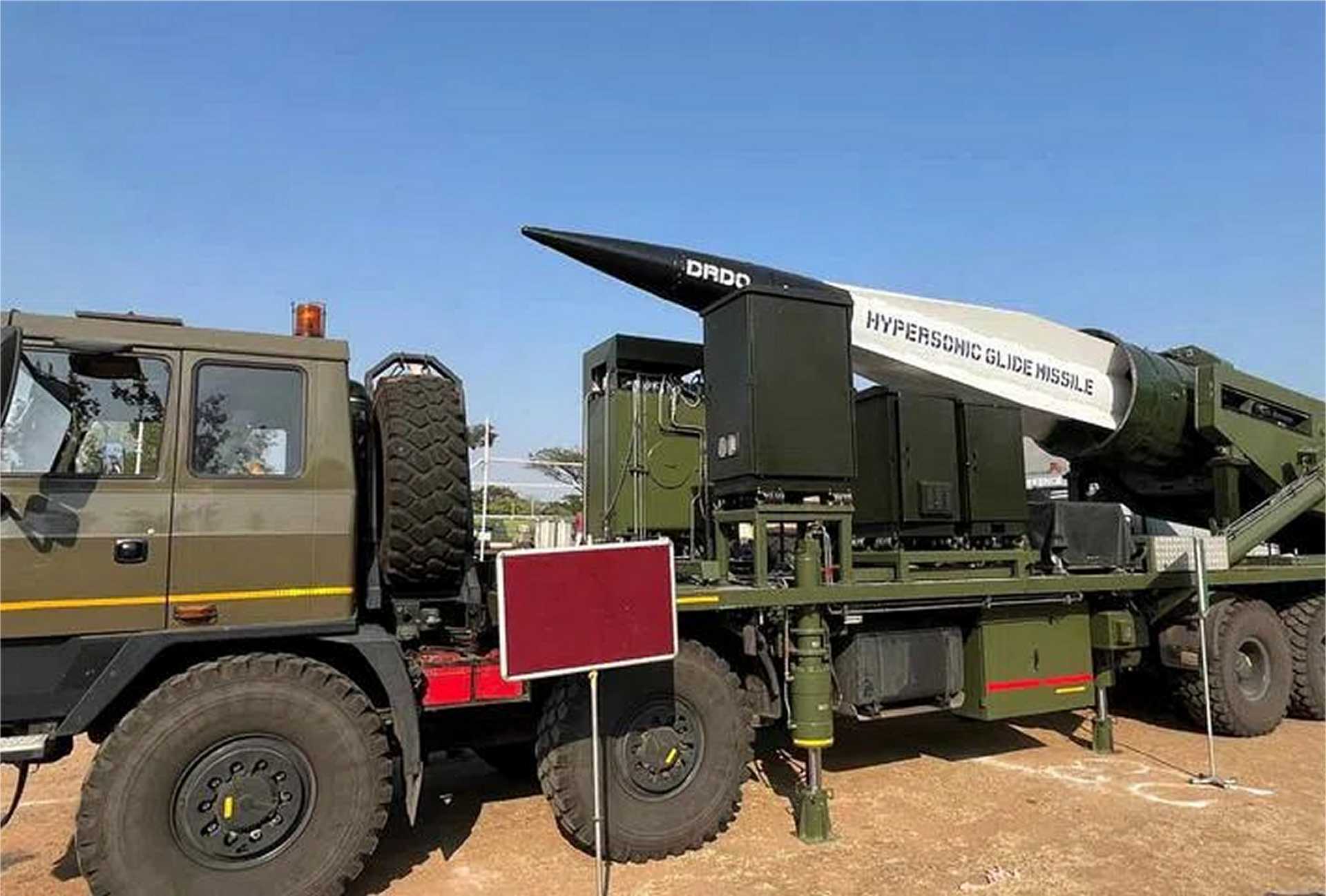
- India’s DRDO unveiled a hypersonic glide vehicle and transporter erector launcher as part of the Long Range Anti-Ship Missile program, enhancing its military capabilities.
- Hypersonic weapons, capable of speeds exceeding Mach 5, present significant challenges to traditional defense systems due to their speed and maneuverability.
- This development aligns with India’s strategy for self-reliance in defense technology amid rising geopolitical tensions, particularly with China.
Advancements in Hypersonic Technology
India’s Defence Research and Development Organisation (DRDO) has made a significant leap in hypersonic technology by unveiling the Hypersonic Glide Vehicle (HGV) and Transporter Erector Launcher (TEL) on February 28, 2025. This milestone is part of the Long Range Anti-Ship Missile (LR-ASHM) program and highlights India’s expanding capabilities in the strategic domain of hypersonic weapons, which are vital to modern warfare.
Hypersonic missiles are defined as those traveling over Mach 5, presenting unprecedented advantages in speed, precision, and the ability to evade interception. Unlike conventional missiles that follow predictable paths, hypersonic weapons can maneuver during flight, significantly complicating detection and response efforts by adversaries. The HGV, integral to the LR-ASHM program, promises to enhance India’s offensive capabilities in anti-ship warfare. Building upon the successful Mach 6 flight of the Hypersonic Technology Demonstrator Vehicle in 2020, the HGV aims to bolster India’s defense strategy firmly.
As global powers like the United States, China, and Russia invest heavily in hypersonic technology, India’s developments are increasingly urgent. China, with advancements such as the DF-17 hypersonic glide vehicle, and Russia’s operational systems like Avangard and Kinzhal, underscore the intensified competition in hypersonic capabilities. Although the United States initially lagged, it has recently accelerated its hypersonic weapons initiatives.
India’s pursuit of hypersonic technology is particularly motivated by rising tensions with China, especially concerning maritime disputes in the Indo-Pacific. The LR-ASHM project offers India a strategic naval deterrent, reinforcing its position amid potential threats. This technological advancement aligns with the country’s broader defense strategy of achieving “Atmanirbhar Bharat,” or self-reliance in defense technology, a core objective under Prime Minister Narendra Modi’s administration.
Additionally, India’s commitment to enhancing its indigenous defense capabilities is matched by growing international collaborations, particularly with the United States. Such partnerships are essential for integrating global advancements with domestic innovations. The unveiling of the HGV and TEL not only reflects India’s technological growth but also signifies a crucial step in its military modernization efforts.
In this context, the LR-ASHM program heralds a new era for Indian defense, better equipping the nation to safeguard its maritime interests and maintain a competitive edge in global defense scenarios as tensions in the Indo-Pacific evolve. India’s strides in hypersonic technology reinforce its strategic significance in modern military dynamics, showcasing a robust capability to respond to adversarial threats effectively.
The content above is a summary. For more details, see the source article.









