


Key Takeaways
- Girish Badragond developed “Blind Farming Technology” to empower visually impaired farmers to manage crops independently.
- The system uses sensors, audio alerts, and solar energy to provide real-time data on soil conditions and automate irrigation.
- This innovative technology enhances water efficiency and offers a practical solution for inclusive agriculture in rural India.
Empowering Visually Impaired Farmers in India
In 2018, inventor Girish Badragond from Karnataka’s Vijayapura district addressed the challenges faced by visually impaired farmers who struggled to manage their crops without assistance. This initiative emerged after noticing producers who had ceased cultivation due to a lack of accessible technology.
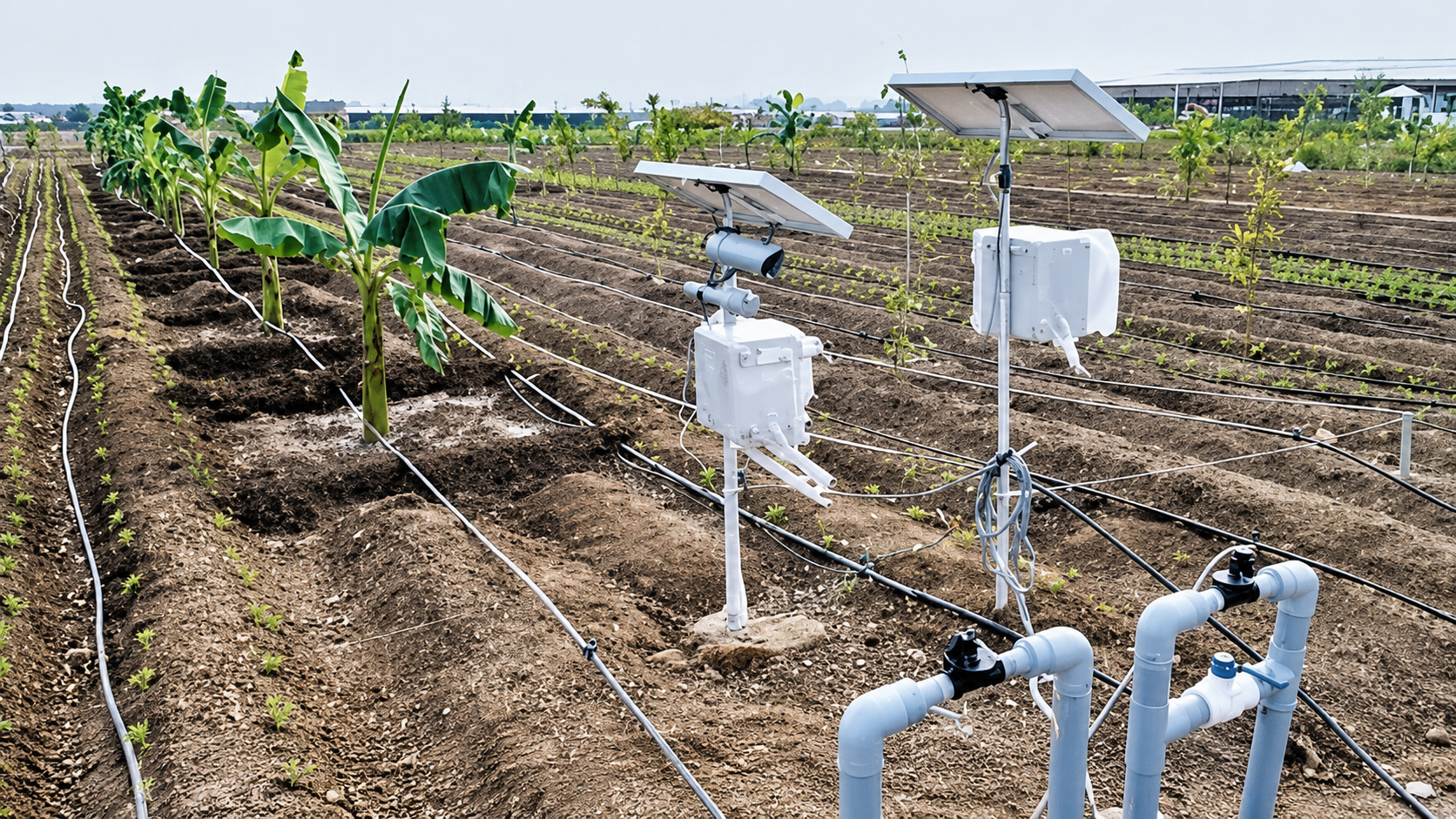
Badragond developed “Blind Farming Technology,” enabling blind and visually impaired individuals to monitor soil conditions, receive audio alerts, and make independent agricultural decisions. The system utilizes sensors to collect data on humidity, temperature, and other plant growth factors, transforming this information into sound messages for farmers. This auditory support replaces visual observation, allowing farmers to receive updates on their crops without requiring external help.
A critical component of the technology is a digital cane equipped with sensors. This device assists farmers in navigating their land while gaining information about soil conditions at various crop locations. The integration of a solar-powered system further enhances functionality, especially in rural areas where electricity supply may be unreliable.
The technology’s innovation lies in its combination of mobility and real-time information dissemination. This ensures that farmers can efficiently manage their properties, even in their absence. It features both manual and automatic irrigation modes, activating when soil moisture levels fall, thus promoting a more efficient and precise agricultural practice.
The inception of this technology stemmed from Badragond’s direct interactions with farmers like Sahadev Shinde, who had to lease their lands due to a lack of adequate tools. With the introduction of Blind Farming Technology, Shinde re-engaged with his two acres, illustrating the project’s significant local impact.
Additionally, the system’s water conservation capabilities have garnered attention, reportedly saving at least 60% more water compared to conventional practices. By focusing on soil monitoring and timely irrigation, this technology aids in crop management while encouraging inclusion.
The implications of Blind Farming Technology extend beyond accessibility; it promises to revolutionize the experiences of visually impaired farmers, enabling them to retain connections with their agricultural land. This initiative exemplifies how integrating advanced technologies like sensors and audio systems can foster a new era of inclusive, productive agriculture in India.
The content above is a summary. For more details, see the source article.









