


Key Takeaways
- Maharashtra’s ‘Namo Drone Didi’ program equips 325 Women Self-Help Groups (SHGs) with drones for sustainable agriculture.
- The initiative includes 80% subsidies on drone costs and comprehensive training for women as certified drone operators.
- Expected to generate additional income of ₹60,000 (approximately $700) per month for participating women, fostering economic independence.
Modernizing Agriculture with Drone Technology
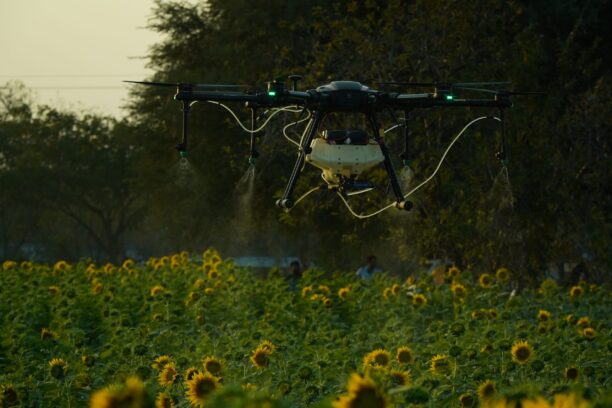
The Maharashtra government has launched the ‘Namo Drone Didi’ initiative within the 2024-25 budget, aiming to advance agricultural practices through drone technology and empower rural women. The program will provide 325 Women Self-Help Groups (SHGs) with agricultural drones, enhancing farming efficiency and creating income opportunities through Drone-as-a-Service (DaaS).
Maharashtra, a key agricultural state, is adopting drone technology to promote precision farming by utilizing drones for tasks such as spraying fertilizers and pesticides. Selected SHGs will receive drone subsidies covering 80% of the cost, up to ₹8 lakh (about $9,600) per drone. Additionally, the program features structured training, developing women’s skills as certified drone operators—vital for building a competent workforce in agricultural drone applications.
Economic Empowerment for Rural Women
The ‘Namo Drone Didi’ scheme also empowers rural women economically. By providing drone services, participating SHGs can earn monthly incomes of approximately ₹60,000 (around $700), facilitating financial independence and promoting entrepreneurship in rural areas. Prem Kumar, CEO of Marut Drones, emphasized the transformative potential of the program, highlighting its role in modernizing agriculture and enhancing resource utilization.
Through targeted training, the initiative aims to produce skilled drone pilots, further integrating drone technology into Maharashtra’s agricultural framework while improving overall productivity.
Budget and Policy Context
The initiative aligns with a national strategy to enhance agricultural technology and women’s empowerment in India. The government has earmarked ₹500 crore (approximately $57 million) for the initiative, targeting 15,000 SHGs from 2024-25 to 2025-26, with 3,090 SHGs receiving drones in its first phase. Each participating SHG is projected to generate additional annual income of at least ₹1 lakh (about $1,200).
The scheme was revealed in the Maharashtra Budget 2024-25, with significant investments aimed at fostering technology-driven agriculture and women-led initiatives. With a projected GSDP growth of 5.5%, the budget emphasizes strategic advancements in agricultural practices.
A Model for Sustainable Agricultural Growth
By incorporating drone technology into farming, Maharashtra sets a precedent for other states seeking to modernize their agricultural sectors. The initiative aims to enhance efficiency, reduce operational costs, and develop a workforce of skilled drone operators in rural communities. The success of the ‘Namo Drone Didi’ scheme may influence future policies on agriculture technology and rural empowerment across India.
The content above is a summary. For more details, see the source article.









