


Key Takeaways
- India’s non-fossil energy sources now represent 54.18% of installed electricity capacity, exceeding the 2030 target of 50%.
- The country ranks third globally in renewable energy capacity and is the second-largest solar growth market.
- The National Green Tribunal’s conference emphasizes the importance of collaboration in addressing global environmental challenges.
Renewable Energy Milestone Achieved
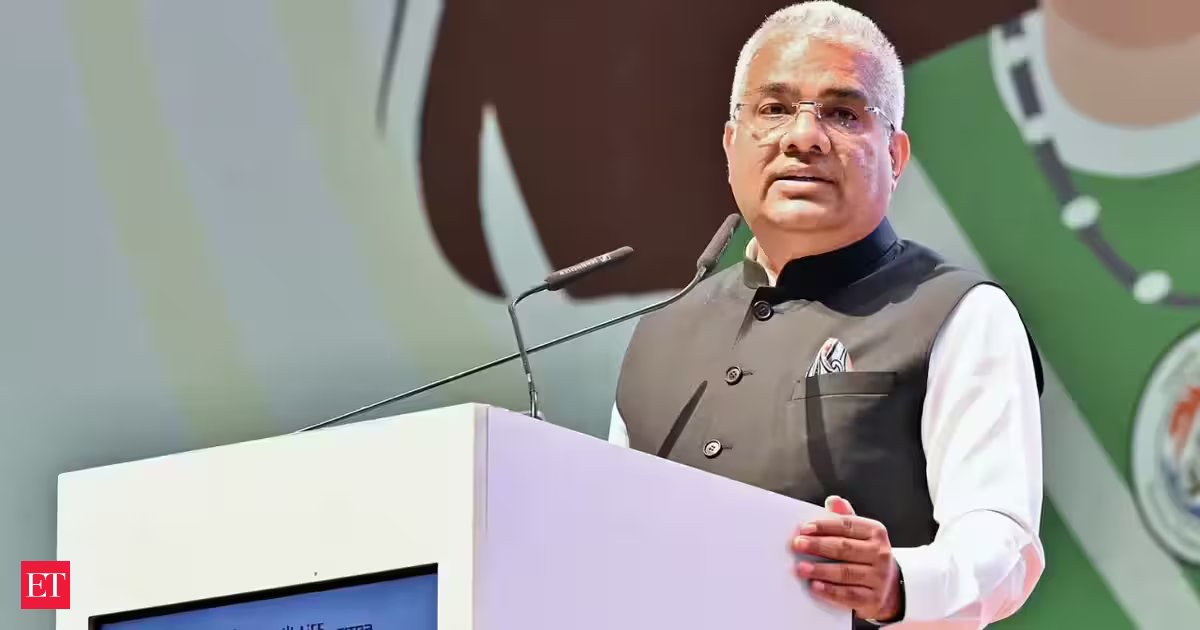
India’s Environment Minister, Bhupender Yadav, announced a significant achievement in the country’s renewable energy sector, stating that non-fossil sources now account for 54.18% of installed electricity capacity. This surpasses the 2030 target of 50%, demonstrating India’s commitment to sustainable energy solutions. Yadav highlighted India’s position as the third-largest nation globally in renewable energy and as the second fastest-growing solar market.
During his speech at the National Green Tribunal’s (NGT) two-day international conference, focused on “The Future of Environment and Climate Dynamics,” Yadav emphasized the interconnectedness of economic growth and climate action. He expressed that India’s approach to environmental responsibility stems from its civilizational values, viewing the Earth as a shared inheritance. This perspective fosters a commitment to collective action aiming for a sustainable future.
The minister clarified the essential choice facing the world today: sustainable development versus non-sustainable growth. He pointed out that collaboration among various stakeholders, such as judges, policymakers, scientists, and environmental experts, is crucial for tackling environmental challenges that cross national borders.
The NGT conference brought together participants from 17 countries, alongside organizations like the United Nations Environment Programme (UNEP) and the Asian Development Bank (ADB). The event aims to foster dialogue and knowledge exchange, focusing on judicial, scientific, policy, and institutional best practices while facilitating collaborative efforts to address pressing environmental and climate issues.
As countries face increasingly complex environmental challenges, Yadav’s remarks resonate with the urgency of integrating sustainable practices into developmental frameworks globally. The ongoing discourse at the NGT conference underscores the need for united global action, highlighting the role of varied expertise in creating effective solutions to environmental problems.
The content above is a summary. For more details, see the source article.









