


Key Takeaways
- Indonesia aims to enhance medical services by connecting research with industry, investment, and public infrastructure.
- The BINUS HealthTech Festival focused on transforming academic findings into practical health solutions.
- Government initiatives like the national research portal aim to integrate health expertise with community needs.
Innovating Healthcare in Indonesia
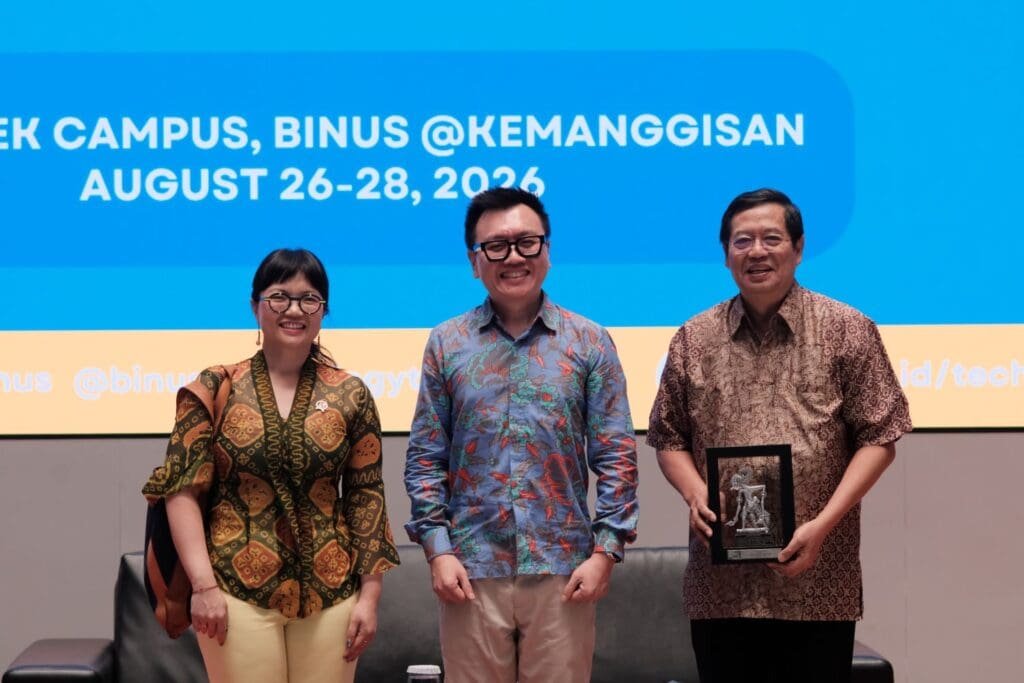
Indonesia is striving to transform university research into scalable healthcare solutions by linking researchers with investors, industry leaders, and public infrastructure. This initiative was highlighted by Prof. Stella Christie, Deputy Minister of Higher Education, Science and Technology, during the BINUS HealthTech Festival held in Jakarta on August 27.
The festival gathered stakeholders from various sectors including universities, government, industry, and healthcare professionals to advance health technology and its practical applications. BINUS emphasized the festival’s mission to translate academic research into actionable strategies that support Indonesia’s Universal Health Coverage goals. Prof. Christie pointed out that improving healthcare access requires the development of medical technologies that ensure care is accessible, affordable, and accurate.
The key to large-scale health impact lies in simplifying services while maintaining affordability and accuracy. Investment plays a vital role in transforming academic knowledge into robust technological capabilities. Prof. Christie referenced the Beijing Genomics Institute (BGI) as a successful model, illustrating how substantial investment can arise from a strong research foundation.
A practical example of integrating research with healthcare is the National Brain Center Hospital (RSPON), which merges clinical services with research. This teaching hospital has established research collaborations with institutions in Singapore and the United Kingdom, showcasing a successful model for research and healthcare synergy.
To enhance the connection between academic expertise and practical applications, the Ministry of Higher Education, Science and Technology has launched a national research portal. This platform compiles researcher data and health research outcomes, thereby facilitating collaborations between university experts and local governments or industries in need of their knowledge.
Prof. Christie emphasized that when research intersects with the right investment and infrastructure, there can be substantial community benefits.
Additionally, the Deputy Minister of Health, Dr. Dante Saksono Harbuwono, mentioned that the Ministry of Health is working on integrating health data through the Satu Sehat platform, which serves as a personal health record system.
These coordinated efforts are aimed at advancing health research beyond academic confines, developing technologies, and delivering services that resonate with the needs of the Indonesian population. Through these initiatives, Indonesia is poised to enhance its healthcare landscape and meet the growing demands of its citizens.
The content above is a summary. For more details, see the source article.









