


Key Takeaways
- The Inglewood people mover project has been postponed until after the 2028 Olympics, if it proceeds at all.
- The new plan focuses on smaller transit improvements, including dedicated bus and bike lanes, in response to community feedback.
- A new $34 million contract has been approved to reassess the project scope with a potential for future automated transit options.
Project Delays and New Direction
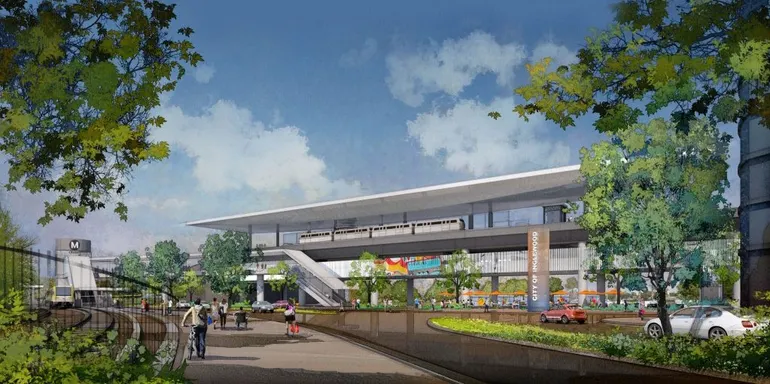
The Inglewood Transit Connector Project in Los Angeles has faced significant setbacks, pushing its original $2.4 billion people mover plan out until after the 2028 Olympics, or possibly further. The Inglewood City Council unveiled a revised blueprint on April 22, shifting focus from a large-scale automated light-rail system to immediate, smaller enhancements such as dedicated bus and bike lanes.
Local opposition, notably from stakeholders including the owners of the NFL’s Los Angeles Rams and NBA’s Los Angeles Clippers, alongside Representative Maxine Waters, played a crucial role in halting the initial proposal last year. The plan’s shift aims to better align with community needs, prioritizing traffic relief, neighborhood connectivity, and enhanced quality of life ahead of the Olympic Games.
Inglewood Mayor James T. Butts emphasized the importance of community input in this process, stating, “We’re also looking inward—listening to our community and taking strategic steps to deliver on what matters most.” The city council has contracted Tutor Perini and the Elevate Inglewood Partners for $34 million to evaluate the project’s scope further.
Butts noted that while immediate changes are planned, there remains the potential to revisit the original automated people mover project after the Olympics. This stems from an initial selection in July, where Elevate Inglewood Partners was deemed the best value proposer for the large-scale project, which includes several industry leaders in transit and construction.
However, the automated segment of the original plan has faced severe challenges. The previous proposal had already secured $1 billion in federal funding during the Biden administration, but its future remains uncertain. Nationally, the Trump administration’s cancellation of similar funds raises questions about fiscal viability moving forward.
Overall, the revised approach represents a more community-oriented transit solution, highlighting a commitment to local needs while still keeping the door open for larger developments in the future. The city aims to ensure its transit infrastructure is both practical and in harmony with the vibrant culture of Inglewood, as it prepares for the global spotlight of the upcoming Olympics.
The content above is a summary. For more details, see the source article.









