


Key Takeaways
- Farmers face multiple challenges, including climate change, rising costs, and invasive pests, impacting crop yields.
- Innovative agricultural technologies offer potential solutions, but access and funding remain significant barriers for many farmers.
- A new farm bill could provide opportunities for investment in ag tech, helping farmers improve sustainability and productivity.
Farmers Confronting Challenges Seek Technology Solutions
While snowstorms hit the northern U.S., Eunice, Louisiana, enjoys unseasonably warm weather. Here, Michael Frugé is planting rice but grapples with numerous pressures affecting farming. Price drops in rice, invasive pests, rising fertilizer costs due to the war in Iran, and destructive weather patterns fueled by climate change pose significant threats to farmers nationwide.
Many farmers have experienced staggering losses; for instance, droughts in Kansas, Oklahoma, and Texas led to $23 billion in damages over five years, resulting in severe wildfires that devastated crops. As farmers grapple with these crises, some are turning towards technology to improve their practices.
According to a recent analysis by the Environmental Defense Fund, there’s a growing wave of agricultural innovations aiming to enhance farming while benefiting the environment. However, many of these technologies are in the early stages and require further investment to evaluate their effectiveness and ensure accessibility for farmers.
Innovations include on-farm reactors for producing nitrogen, bioinsecticides made from spider venom, AI-driven robots for weed management, and a novel bio-fertilizer derived from black soldier fly larvae. These technologies are designed to boost profits while reducing agricultural emissions, given that farming accounts for about 10% of U.S. climate pollution.
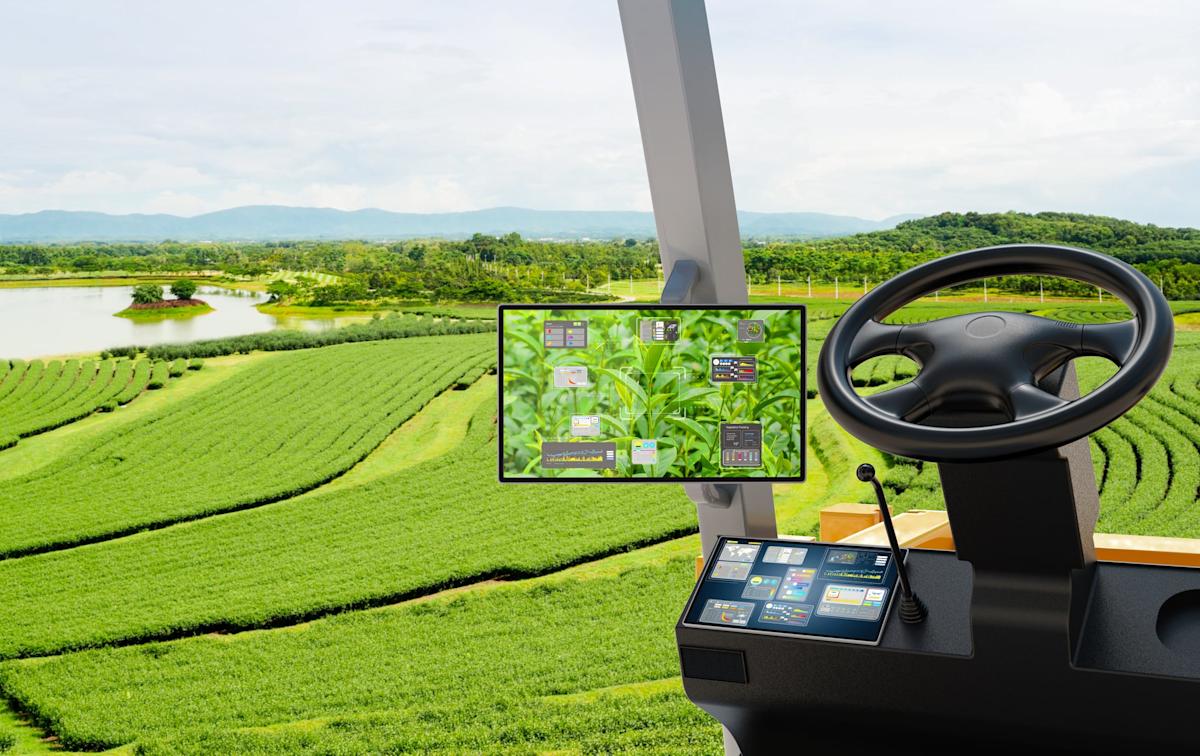
Frugé has embraced these innovations, utilizing advanced software and equipment that improve efficiency on his farm. His new tractor, guided by GIS technology, optimizes planting while conserving resources. This proactive approach has lowered both his operational costs and emissions, demonstrating the potential benefits of adopting modern agricultural practices.
However, many farmers remain anxious, as they lack funding and information needed to transition to these new technologies. Advocates emphasize the necessity for government incentives and support programs to facilitate this change.
Mitchell Hora, a farmer and founder of Continuum Ag, underscores the benefits of conservation practices that reduce costs while improving soil health. He calls for more government support to mitigate the risks associated with adopting new methods.
The upcoming farm bill presents a significant opportunity for policymakers to bolster investment in agricultural technology and promote sustainable practices among farmers. By fostering this ag tech revolution, the future of U.S. farmland, along with its ecosystems, can be preserved for generations to come.
The content above is a summary. For more details, see the source article.









