


Key Takeaways
- The study at Ain Shams University focuses on sustainable urban agriculture using rooftop peppermint cultivation.
- Two irrigation methods were tested: conventional manual and automated smart systems powered by solar energy.
- Key findings include improved water efficiency and the potential to reduce greenhouse gas emissions through renewable technologies.
Research Overview
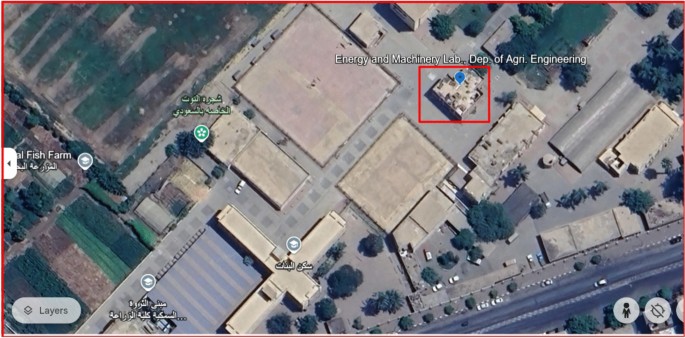
The research took place at the Faculty of Agriculture, Ain Shams University, Egypt. The objective was to explore sustainable urban agriculture (UA) using rooftop spaces for cultivating peppermint. Key climatic data, including temperature and solar radiation, indicated that the highest solar energy (248.9 kWh/m²) was recorded in July, correlating with peak temperatures.
Peppermint was chosen for its aesthetic and environmental benefits. It was planted in January 2023 in sandy clay soil within wooden boxes, adhering to the university’s agricultural guidelines. A drip irrigation system maintained consistent moisture, highlighting the experiment’s sustainability focus.
Irrigation Systems
Two innovative irrigation systems were implemented. The conventional system relied on scheduled manual irrigation, while a smart system used a soil moisture sensor for automated watering. Both systems utilized renewable energy from solar panels to power DC irrigation pumps.
The smart irrigation system functions through a process where soil moisture sensors regulate water delivery based on real-time conditions. If moisture dips below a predefined level, the system checks solar energy availability and activates irrigation when conditions are suitable.
Efficiency and Productivity Measurements
The experiment measured several parameters, such as energy and water consumption, peppermint yield, and greenhouse gas emission reductions. Energy consumption of the irrigation pump was calculated based on its power usage and operational time, indicating a significant potential for efficiency improvements.
Water-use efficiency (WUE) was assessed by dividing the peppermint yield by the total water used. Similarly, energy productivity (EP) was calculated by evaluating the yield against energy consumed.
Environmental and Economic Assessment
An assessment for greenhouse gas emissions demonstrated the potential for significant reductions by utilizing energy-efficient solar panels. The economic feasibility of the smart system was evaluated, factoring in initial investments, operation costs, and potential profits from selling peppermint and solar energy.
The findings indicate that investing in solar-powered irrigation systems for urban agriculture can not only enhance agricultural productivity but also contribute positively to environmental sustainability. This research showcases the dual benefit of renewable energy in improving food production methods while mitigating climate change impacts.
The content above is a summary. For more details, see the source article.









