


Key Takeaways
- Escalating tensions with Iran arise as missile attacks target UAE and South Korean vessels amid ongoing ceasefire negotiations.
- Trade Representative Jamieson Greer aims to finalize investigations into unfair trade practices by summer, potentially leading to new tariffs.
- Strong prices for soybeans driven by demand for biofuels, while corn and soybean planting is progressing well across the U.S.
Ceasefire Under Strain Amid Iranian Attacks
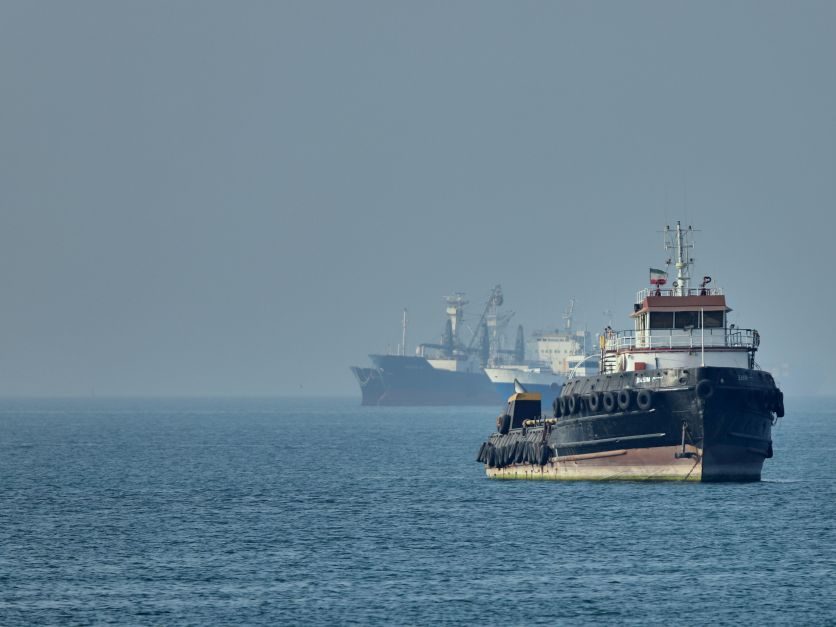
The stability of a ceasefire with Iran is threatened following missile strikes targeting ships in the Strait of Hormuz. The U.S. Navy has been escorting vessels in the region, and both President Donald Trump and the United Arab Emirates (UAE) Ministry of Defense have reported that Iran launched missiles at multiple targets, including a South Korean ship. This escalation comes shortly after Trump’s announcement of a new initiative called “Project Freedom,” aimed at protecting commercial vessels through the region.
Negotiations for a durable ceasefire have been underway for four weeks, amidst a conflict that has significantly increased commodity prices: overall inflation has hit over 8%, with notable hikes in urea (50%) and DAP fertilizers (17%). Despite the ongoing talks, Trump indicated he would likely reject Iran’s latest proposal, emphasizing that the country has not faced sufficient repercussions for its actions.
Demand for Chinese Involvement
U.S. Treasury Secretary Scott Bessent has urged China to leverage its economic ties with Iran to facilitate the reopening of the Strait of Hormuz. He described Iran as the “largest state sponsor of terrorism,” highlighting China’s critical role in its energy economy. With President Trump set to meet Chinese President Xi Jinping later this month, there are calls for increased diplomatic efforts.
Upcoming Trade Investigations
U.S. Trade Representative Jamieson Greer is focused on concluding investigations into unfair trade practices by this summer. These investigations are expected to inform policy decisions regarding potential tariffs, particularly as a temporary global tariff is set to expire in July without congressional action. Greer emphasized that the administration remains open to negotiating solutions that do not involve tariffs.
In the meantime, the USTR is conducting hearings to address manufacturing overcapacity issues, with initial testimony from stakeholders in the sugar and soybean sectors. Concerns have been raised regarding global overcapacity in sugar production and its impact on American producers, prompting calls for regulatory action to alleviate the effects of foreign subsidies.
Soybean Market Trends
Soybean farmers have reported rising prices amid strong demand for soy oil linked to biofuels, driving futures up over 30% in the past three months. Analysts believe U.S. domestic policies may offer short-term price support, but uncertainty looms regarding the global demand landscape as Trump prepares for discussions with China.
Similarly, farmers are progressing well with planting for both corn and soybeans. The Agriculture Department has reported that corn farmers have planted 38% of their acreage, while soybean planting stands at 33%. Meanwhile, cotton and sorghum farmers also report substantial planting progress.
Court Ruling on PFAS Regulations
In legal news, a federal appeals court dismissed a case brought by environmental groups against the EPA regarding PFAS regulations. The court ruled that the groups lacked the legal standing to pursue the challenge, reinforcing the EPA’s authority in regulating environmental standards amid ongoing concerns about chemical production.
Avocado Imports Surge for Cinco de Mayo
As Cinco de Mayo approaches, avocado imports are expected to hit record levels with U.S. importers projecting 235 million pounds of Mexican avocados in the lead-up to the holiday. The avocado industry benefits from a cultural shift toward food-centered celebrations, with increased retail promotions.
Agriculture Secretary Brooke Rollins expressed hope that beef prices may stabilize later this year, acknowledging the complexities surrounding agricultural price fluctuations during a recent press conference.
The content above is a summary. For more details, see the source article.









