


Key Takeaways
- Beauty brands are grappling with rising costs due to tariff increases, heightened oil prices, and shipping disruptions stemming from the Iran conflict.
- Indie brands face greater challenges than larger corporations, as they struggle with thinner margins and less flexibility in their supply chains.
- While some brands adapt by increasing stock or focusing on local markets, industry leaders call for a significant reevaluation of sustainable practices and materials.
Impact of the Iran Conflict on Beauty Brands
Beauty brands are confronting significant challenges as they prepare for anticipated tariff increases in 2025, compounded by rising freight, fuel costs, and the ongoing conflict with Iran. The situation has led to severe delays in shipping and heightened expenses, with beauty leaders forecasting considerable financial impacts. For instance, Shiseido projects losses of approximately $32 million and is shifting to plant-based materials to mitigate risks, while E.l.f. Beauty estimates a $15 to $20 million hit from rising freight costs.
Large beauty conglomerates have the financial capacity to absorb some of these costs, but independent brands are feeling the pinch more severely due to their slimmer profit margins and limited operational flexibility. Many indie firms depend heavily on international shipping routes, exposing them to transport issues and increased logistics expenses. MNQA, a Kuwait-based haircare brand, has struggled with extended shipping times—now between 60 and 80 days compared to the previous 40 days. The conflict with Iran has disrupted vital transit routes, significantly delaying product launches and increasing freight costs.
Similarly, brands like Then I Met You have also adapted to delays and rising costs, with founder Charlotte Cho pointing to heavy inflation within South Korea, which sources most of its energy through routes affected by the conflict. Other brands reliant on petrochemical-based packaging materials are experiencing a price surge, complicating their operational strategies. For instance, packaging manufacturer Paking Duck reports a 30% increase in production costs, which impacts both indie and larger brands.
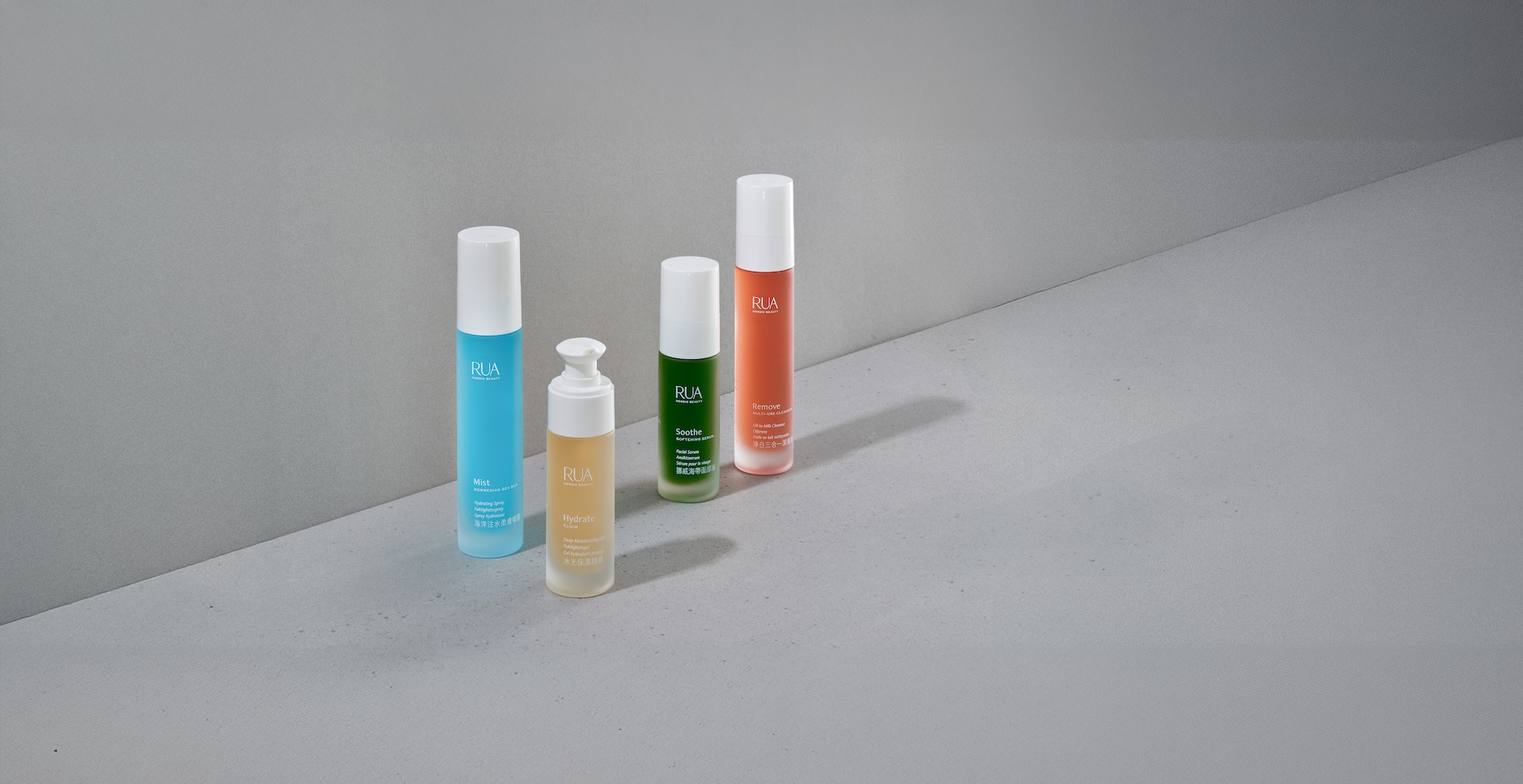
Sustainability-focused brands, like Rua from Norway, are not exempt from these pressures. Rua has raised its prices by 7% to 12% due to increased manufacturing and shipping costs, navigating challenges even as it strives for eco-friendly practices. Founder Kristina Dunn notes the difficulty of planning in a rapidly changing environment, reflecting a broader trend impacting beauty businesses aiming for sustainability amidst rising costs.
In response to these pressures, brands are exploring different strategies. For MNQA, absorbing increased costs is essential for maintaining customer relationships. MNQA’s founder is considering increasing minimum order quantities to better manage inventory amid uncertainty. Dunn of Rua is pivoting towards local audiences, prioritizing community engagement over global expansion, which she believes aligns more closely with indie beauty’s original mission.
Overall, the ongoing situation poses not only immediate challenges but also a potential reckoning for the beauty industry. The reliance on plastic packaging and unsustainable methods heavily impacts the sector, prompting industry leaders to reconsider their practices. Dunn emphasizes that this crisis should provoke a significant rethink of how beauty brands operate, potentially heralding a shift towards more sustainable and responsible industry practices in the future.
The content above is a summary. For more details, see the source article.









