


Key Takeaways
- Circe Bioscience utilizes a novel gas fermentation process to produce sustainable fats using CO2, hydrogen, and oxygen instead of traditional sugars.
- The company is developing triglycerides that are economically viable and environmentally friendly through engineered soil microbes.
- Circe’s pilot plant represents a significant advancement in aerobic gas fermentation, which could dramatically reduce land and water usage compared to conventional methods.
Innovative Gas Fermentation at Circe Bioscience
Circe Bioscience, a Cambridge, Massachusetts-based startup co-founded by Dr. Shannon Nangle, is pioneering a unique approach to sustainable fat production through gas fermentation. Unlike many competitors that rely on sugar feeds, Circe’s process uses carbon dioxide, hydrogen, and oxygen, aiming to produce tailored triglycerides that could compete on price with traditional fats like cocoa butter and palm oil.
The concept for Circe originated from Nangle’s postdoctoral research at Harvard in 2021, where she demonstrated the feasibility of converting CO2 into triglycerides. The technological goal is clear: create an efficient method to transform readily available gases into valuable products while significantly reducing the reliance on agricultural resources.
One of the standout benefits of gas fermentation is its scalability and resource efficiency. As Nangle points out, using waste CO2 as a feedstock allows for continuous production processes that lower costs and minimize risks of contamination, which plagues sugar-based fermentation methods. The startup employs a naturally occurring soil bacterium engineered to convert gases into biodegradable plastics and triglycerides.
Currently, Circe is sourcing its gases through a mix of methods. The aim is to eventually utilize atmospheric CO2 and renewably sourced hydrogen and oxygen through electrolysis. Presently, more economical options like gray and blue hydrogen sources are being considered, leveraging processes such as steam methane reforming.
The design of Circe’s bioreactors is essential for successful gas fermentation. They are engineered to maximize interactions between the gas and the liquid medium, optimizing surface area and time for gas absorption. This meticulous design contributes to the efficient processing of gases, which are typically more demanding than sugars in fermentation setups.
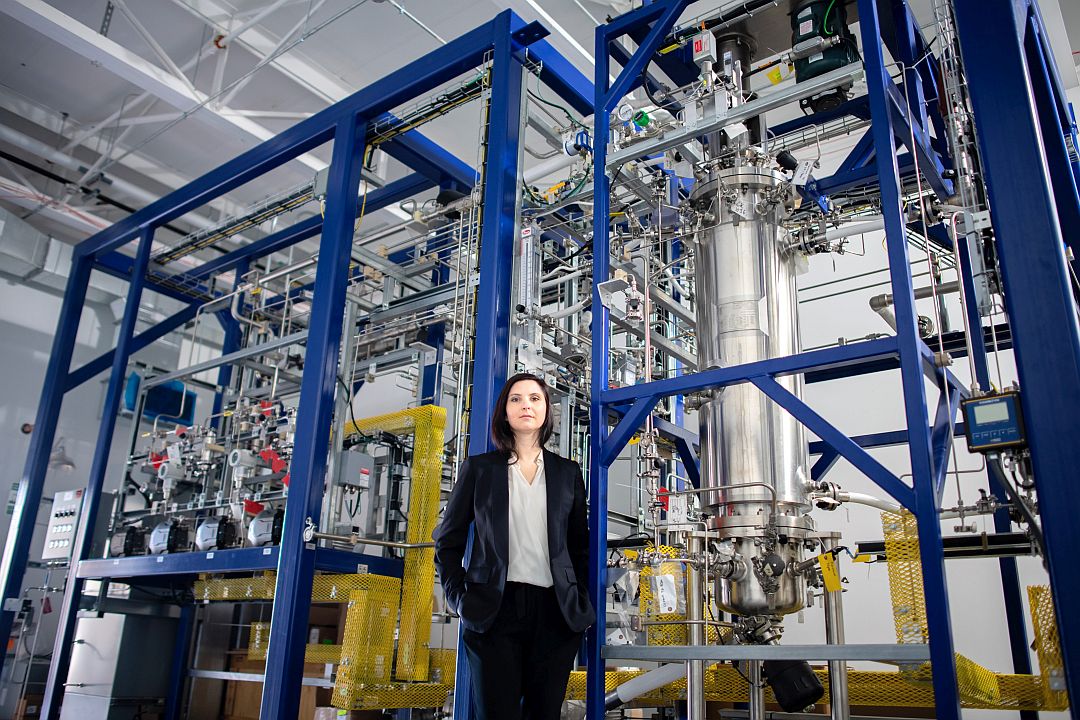
Circe’s pilot facility is a notable achievement in that it is one of the few food-grade, aerobic gas fermenters of its size globally. With the capability to operate in multiple fermentation modes, it aims to clarify the most efficient production pretenses before scaling further.
Future plans entail building a demo-scale plant capable of processing 150 tons, with ongoing efforts to secure partnerships that would validate the need for such infrastructure. Interest from potential buyers in the palm oil fractions and dairy fat markets indicates a healthy demand for Circe’s innovative products.
While the technology’s viability is secure, as Nangle expressed, challenges in scaling and securing financial investment present hurdles that need overcoming. Circe has successfully raised approximately $16 million thus far through a combination of grant and investment funding, and they are currently pursuing a Series A round to bolster their scaling efforts.
Navigating regulatory landscapes is another critical aspect of Circe’s operations. While the company is at the beginning of this journey, it aims to ensure its products meet safety standards without requiring a “bioengineered” label, as no traces of genetically modified organisms are expected to remain in the final product.
Circe Bioscience is positioned at the forefront of a burgeoning field, demonstrating the potential of gas fermentation to redefine how society sources and utilizes fats in food and other applications.
The content above is a summary. For more details, see the source article.









