


Key Takeaways
- Islanders fans seek a competitive team rather than new jerseys, as the team has struggled since the 1980s.
- Experts urge a shift towards renewable energy to combat climate change, rather than relying on new gas plants.
- Recognition of Native American cultures in education is progressing, with new initiatives in local schools.
Fans of the New York Islanders express frustration over a recent contest to design a new third jersey, emphasizing the desire for the team to focus on improving its performance instead. The Islanders’ last Stanley Cup win was in 1983, and they haven’t reached the finals since 1984. Many believe that the team’s priority should be to develop a winning roster instead of indulging in merchandise design contests.
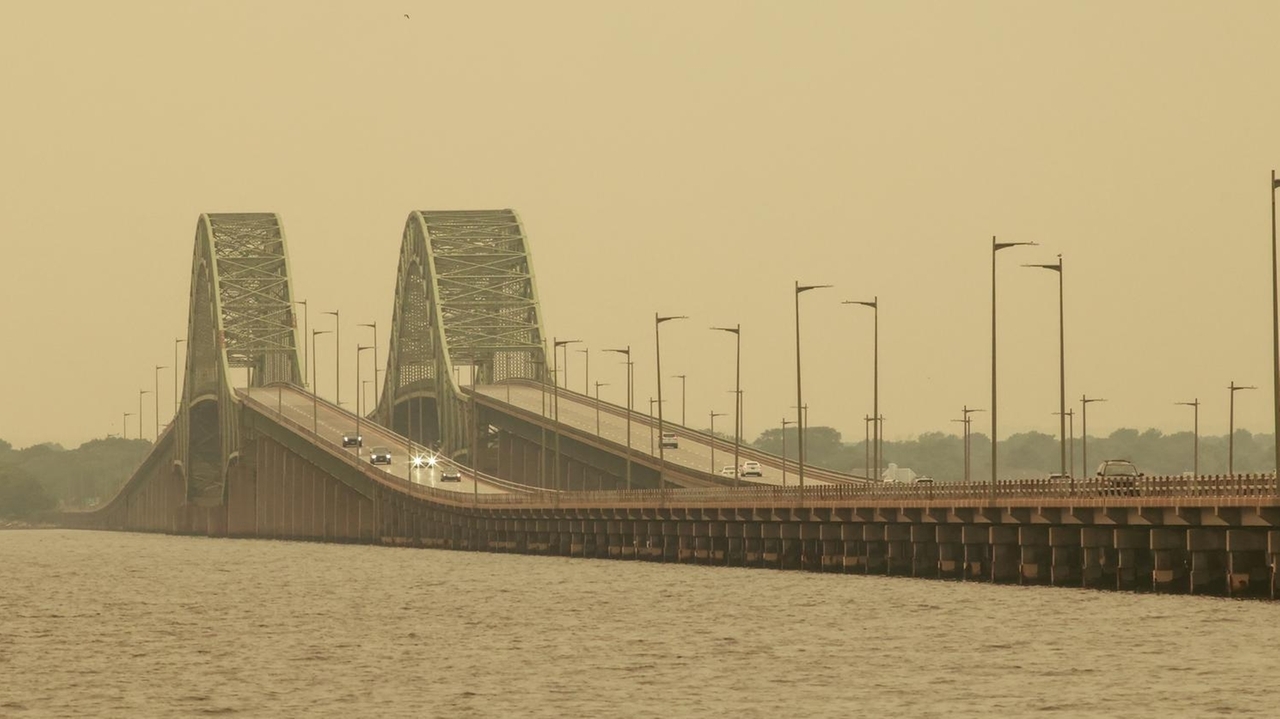
In a related discussion on energy, recent articles have drawn attention to the link between climate change and natural disasters, particularly the wildfires impacting New York’s air quality. Community members advocate for National Grid to enhance its renewable energy options, arguing against the construction of new gas-fired power plants. The costs of climate change are becoming unsustainable, and transitioning to solar energy and battery storage is framed as an immediate necessity for both economic and ecological health.
Long Island’s energy landscape is further complicated by limited natural gas supplies. Some are calling for the state to reconsider the ban on hydraulic fracturing (fracking) to relieve energy shortages and stimulate economic growth. The proposal suggests that local natural gas production could lower costs for residents and commercial users, thereby enhancing state revenue.
In education, Kodiak Tarrant’s achievement as the first New York student to earn a Seal of Biliteracy in the Shinnecock Algonquian language is celebrated. This recognition highlights the longstanding neglect of Native American cultures in school curricula. Calls are growing for school districts to better integrate cultural history and awareness into education, with some success seen in programs like the Shinnecock Curriculum Infusion Project in Southampton, which actively involves tribal leaders in curriculum development.
In a separate issue, concerns regarding the actions of U.S. Immigration and Customs Enforcement (ICE) have surfaced again following a series of fatal shootings. Critics question the agency’s hiring practices and the implications for community safety, calling for accountability.
Amid these discussions, Governor Kathy Hochul faces criticism for her decision to delay a decision on large data centers to sidestep electoral tensions ahead of the November elections. This pause has drawn parallels to her previous handling of congestion pricing proposals.
Finally, public safety discussions regarding road design have emerged, emphasizing that improved safety hinges more on driver behavior—such as impaired or aggressive driving—than on infrastructure changes like new bike lanes. Ultimately, these urgent concerns reflect a complex interplay of social, economic, and environmental issues impacting the Long Island community.
The content above is a summary. For more details, see the source article.









