


Key Takeaways
- The Japanese auto industry is seeking exemptions from U.S. tariffs on automobiles but has not received any guarantees.
- Japanese automakers, including Toyota, emphasize their significant investments in the U.S. and the potential negative impact of tariffs on American consumers.
- Uncertainty over investments and the cost of building new factories are causing Japanese companies to delay large-scale projects in the U.S.
Japanese Automakers Seek Tariff Exemptions Amid U.S. Challenges
As U.S. President Donald Trump considers imposing tariffs on automobiles, Japanese automakers are actively lobbying for tariff exemptions. The New York Times reported on the 24th that various U.S. organizations representing the Japanese auto industry are utilizing their connections in Congress to put forward their case.
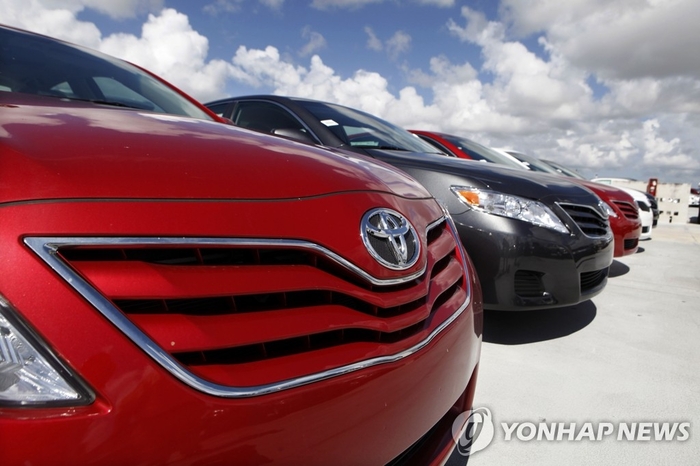
These groups aim to underscore the substantial investments Japanese companies, like Toyota, have made in the U.S., totaling over $50 billion over the past 70 years. They emphasize how tariffs could adversely affect consumers in the U.S. market. Currently employing more than 49,000 people, Toyota has reiterated its commitment to local production in the U.S. and plans to maintain its investment.
Despite these lobbying efforts, however, no firm commitment regarding tariff exemptions has been secured. U.S. officials have been seeking clarification from Japan about potential new investments or any alterations to existing plans that could help address tariff concerns. Sources suggest that Japanese companies lack large-scale new investment proposals, prompting hesitancy in making substantial new factory investments that require years of planning and considerable financial outlay.
Vice President Robinet stated, “Unless there is clear business feasibility, Japanese automakers will not make investment decisions that cost a lot of money.” The uncertainty surrounding investment returns amid potential tariffs poses a significant risk for these companies.
Toyota, known for its advancements in internal combustion engines and hybrid models, initially anticipated leveraging its market position amid the shift to electric vehicles following Trump’s election. However, the looming threats of tariffs complicate this outlook. President Trump has indicated his readiness to announce additional tariffs related to automobiles soon, further intensifying the situation for Japanese automakers and their future investments in the U.S. market.
The content above is a summary. For more details, see the source article.









