


Key Takeaways
- The RDA has successfully cultivated rice in Mongolia after decades of failed attempts, enhancing local food security.
- In Africa, the K-Rice Belt initiative significantly boosted rice productivity across seven countries.
- The RDA is establishing a comprehensive agricultural model to support sustainable rural development globally.
Breakthrough in Mongolian Rice Cultivation
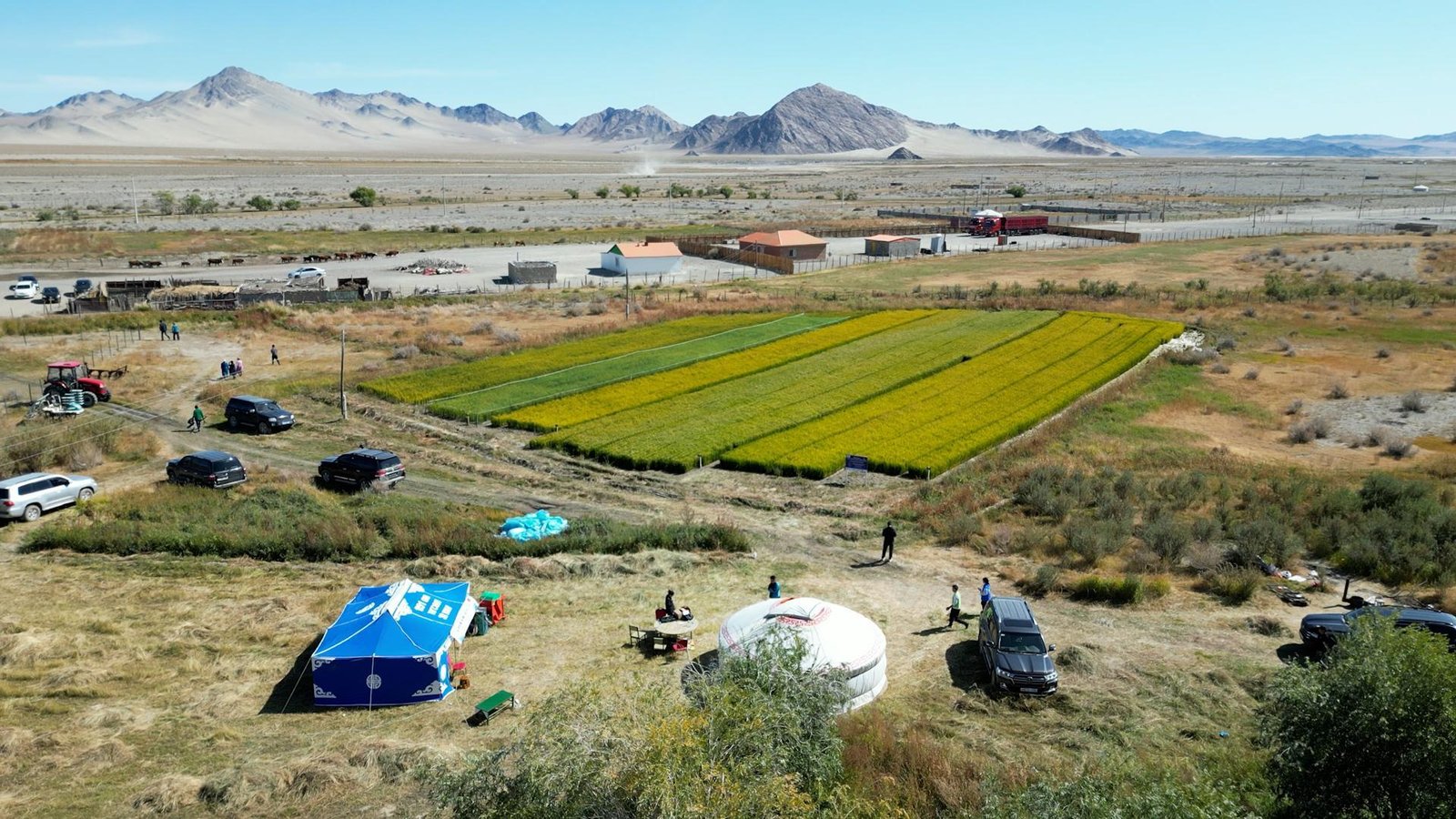
The Korea Rural Development Administration (RDA) has achieved significant milestones in its overseas agricultural official development assistance projects, turning longstanding challenges into effective food security solutions. Most notably, in Mongolia, rice cultivation succeeded after 40 years of challenges, marking a pivotal point for the nation.
In 2025, Mongolia, previously reliant on 50,000 tons of rice imports annually, harvested its first successful domestic rice crop. Utilizing the Korean rice variety “Jinbuolbyeo” and a unique 40-day seedling technique, rice yields in test plots reached approximately 310 kilograms per 10 ares. This breakthrough not only proved that rice can thrive in Mongolia’s harsh climate, but it also opened doors for the introduction of Korean irrigation systems, milling equipment, and fertilizers to the local market.
The K-Rice Belt initiative in Africa has made remarkable progress, affecting seven countries, including Ghana, Senegal, Kenya, and Uganda. From 2023 to 2025, high-yield seed production surged from 2,321 tons to 6,365 tons, while average rice productivity doubled from 2.2 to 4.6 tons per hectare.
Looking forward, the RDA aims to provide over 10,000 tons of seed rice annually by 2027, aiming to feed 30 million people by producing 2.16 million tons of rice, with aspirations to reach 50 million by 2030. This project involves a full agricultural value chain, encompassing seed production, processing, and distribution.
In Uzbekistan, RDA’s assistance has translated into export opportunities, particularly in livestock. The implementation of Korean dairy cattle embryo transfer technology has achieved a 50 percent pregnancy success rate, exceeding previous standards. This has led to a new memorandum of understanding between Korea and Uzbekistan on livestock artificial insemination, simplifying veterinary drug registration and promoting Korean market entry.
Moreover, Korea’s mechanized transplanting techniques have significantly reduced labor by 70 percent while enhancing productivity by 52 percent. Plans are underway to establish a 200-hectare seed production complex by 2027.
The RDA’s ongoing efforts, under the Ministry of Agriculture, Food and Rural Affairs, emphasize a holistic approach in partnership with the Korea International Cooperation Agency. This integrated model aims to combine climate-smart agricultural technologies with storage and processing infrastructure, promoting self-sustaining rural economies rather than relying solely on technical assistance.
RDA Administrator Lee Seung-don remarked on the evolution of Korean agricultural technology from individual assistance to collaborative efforts aimed at sustainable rural development worldwide. The commitment to globalize K-Agriculture is set to bolster food security and stimulate growth in Korea’s agricultural sector.
The content above is a summary. For more details, see the source article.









