


Key Takeaways
- The Philippine government is encouraging foreign investments in renewable energy while intensifying red-tagging against environmental and civil society activists.
- Environmental defenders face accusations of terrorism and funding insurgency, leading to account freezes, abductions, and threats.
- UN experts criticize red-tagging as a stifling threat to civil society and claim it protects powerful economic interests over community welfare.
Government Actions and Activist Challenges
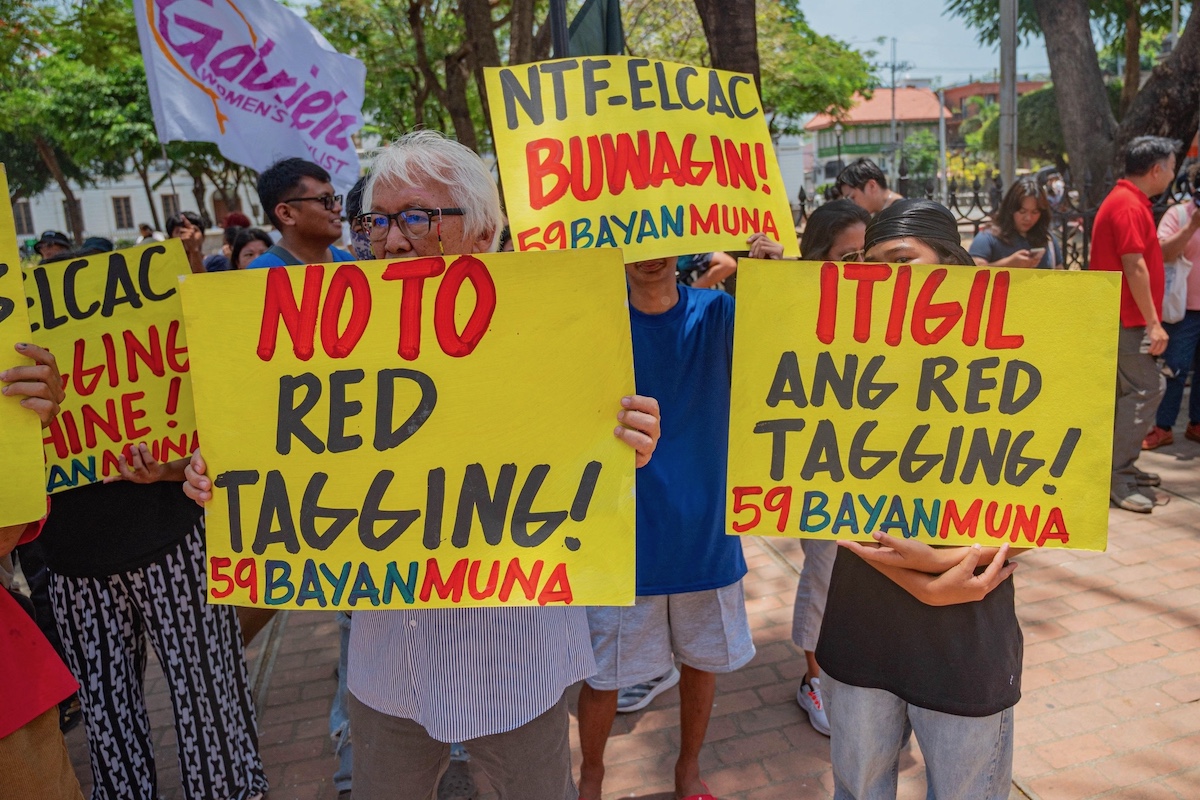
The Philippine government is focusing on private investments to reduce greenhouse gas emissions by lifting ownership restrictions for foreigners in the renewable energy sector. However, the same government has intensified the practice of red-tagging, labeling local environmental and civil society activists as communists or terrorists.
This dangerous tactic has serious implications. Activists accused of such affiliations often face legal repercussions, including frozen bank accounts and even abduction. In a July 2023 ruling, the Philippine Supreme Court described red-tagging as a threat to victims’ rights to life, liberty, and security.
Notably, Jazmin Aguisanda-Jerusalem, executive director of the Leyte Center for Development, has been red-tagged despite her organization’s critical role in aiding communities affected by natural disasters. After being named an International Climate Heroine in 2018, she was later charged with terrorism financing, a claim she vehemently denies. Similarly, Estrella Catarata of Sibat has faced terrorism financing allegations, stemming from accusations made publicly by a military official.
These allegations can significantly curtail the vital work these organizations provide, especially during emergencies. For example, Sibat has struggled to maintain its community projects due to ongoing harassment and threats. Experts argue that undermining these organizations disrupts essential services for vulnerable communities facing climate crises.
International responses have highlighted the severity of red-tagging. UN experts contend that the practice is a systematic effort by state forces to silence critics and safeguard powerful economic interests rather than combat terrorism. Eyewitness accounts reveal that red-tagging often precedes unlawful surveillance, false charges, or even assassinations.
Jonila Castro, a youth activist, illustrates the consequences of red-tagging. After being abducted along with fellow activist Jhed Tamano while volunteering, they accused the state of abduction upon their release. They remain active in opposing harmful developments, like Manila Bay land reclamation, which threaten local ecosystems and communities.
These incidents underscore the urgent need for protective measures for environmental advocates in the Philippines, where the peril of red-tagging continues to overshadow efforts aimed at combating climate change and enriching local communities. The increasingly hostile environment jeopardizes not only the activists but the communities they strive to serve.
The government’s dual approach—encouraging investment while stifling dissent—poses a significant challenge for both activists and communities confronting the growing impacts of climate change.
The content above is a summary. For more details, see the source article.









